
WHO urges focus on mental health in neglected tropical diseases care
Feb 04, 2026
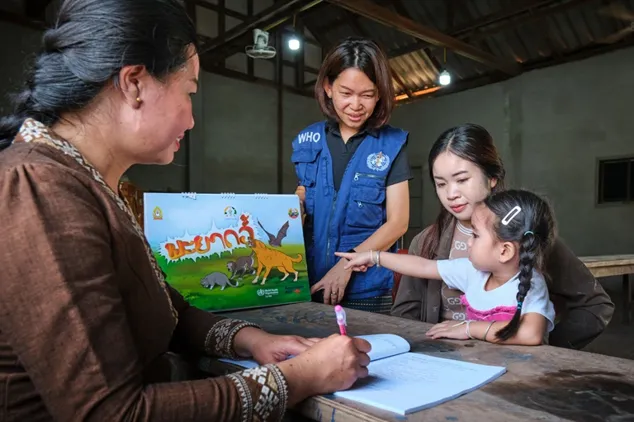
A major new World Health Organization publication outlines, for the first time, a practical, evidence-based package of care aimed at addressing the mental health impacts of neglected tropical diseases (NTDs) and the stigma that can hinder individuals from seeking care and fully participating in society.
The Essential Care Package to address mental health and stigma for individuals with neglected tropical diseases responds to increasing evidence that those living with NTDs experience elevated levels of depression, anxiety, distress, and suicidal behaviors compared to the general population. This disparity is influenced not only by the direct effects of the illness but also by stigma, discrimination, and social exclusion.
The Essential Care Package (ECP) offers governments, health leaders, and frontline services clear guidance on how to incorporate mental health support and stigma reduction into existing neglected tropical disease (NTD) programs and health systems. This includes strategies for prevention, identification, assessment, management, and follow-up.
With over one billion people affected by neglected tropical diseases (NTDs) globally, the ECP asserts that progress towards elimination will be constrained unless mental health and stigma are addressed as essential components of disease management, rather than being considered just an additional aspect.
"NTDs take a far greater toll on mental and social well-being than is often recognized," said Dr. Daniel Ngamije Madandi, Director of the WHO Department of Malaria and Neglected Tropical Diseases. "By integrating mental health and tackling stigma head-on, the Essential Care Package (ECP) equips countries to confront the full reality of NTDs and move closer to WHO’s vision of complete well-being."
The ECP outlines specific, actionable steps to incorporate mental health care and stigma reduction into services for Neglected Tropical Diseases (NTDs), clearly defining responsibilities for individuals living with NTDs, communities, health workers, and system leaders. It emphasizes the importance of supporting those affected by NTDs in recognizing their distress, knowing where and how to seek assistance, accessing peer support, and understanding their rights to health care, employment, and community involvement. Families and communities are highlighted as vital in early recognition of distress, encouraging help-seeking behaviors, and addressing the attitudes and behaviors that perpetuate stigma and exclusion.
Professor Julian Eaton, Senior Lecturer in Global Mental Health at the Liverpool School of Tropical Medicine, stated: “Integration fails when it is seen merely as an additional checkbox for services that are already under strain. This package is crucial as it articulates what effective integration should look like in practice, including the involvement of individuals with lived experience in service design, regular screening and compassionate care, as well as referral pathways and peer support systems that help diminish isolation and self-stigma.”
"If we want NTD programs to succeed, we must take stigma and mental health seriously as part of addressing overall needs, rather than treating them as separate issues."
For frontline health workers, the ECP emphasizes the importance of providing routine, compassionate, person-centered care. It advocates for the integration of mental health assessment and support within NTD services, which should include basic psychoeducation, screening, and well-defined referral pathways to peer support, physical health care, and specialized mental health services. Training is highlighted not only to enhance clinical skills but also to combat stigma within services and ensure that coexisting mental health issues are documented.
At a system level, the ECP emphasizes that integration necessitates coordinated planning between neglected tropical disease (NTD) and mental health programs instead of parallel delivery. This involves enhancing community-based support like peer groups, integrating mental health indicators into routine NTD data collection, and investigating collaborative care models, such as integrating mental health care specialists within NTD services.
Together, these measures aim to make integrated care feasible in resource-constrained settings, improving well-being, strengthening treatment adherence, and supporting progress toward NTD elimination and universal health coverage.
The ECP was developed by the World Health Organization in collaboration with a wide-ranging international partnership that includes NGOs, academia, and organizations representing individuals affected by NTDs.
The ECP was developed by WHO, the Liverpool School of Tropical Medicine, the Neglected Tropical Disease NGO Network cross-cutting group on Disease Management, Disability and Inclusion, CBM Global Disability Inclusion, The Leprosy Mission, the Netherlands Leprosy Mission, Brighton and Sussex Medical School, The Carter Center, Lepra, Effect Hope, the International Federation of Anti-Leprosy Associations and its Advisory Panel of Persons Affected by Leprosy, infoNTD, the Anesvad Foundation, and others.
#mental health
#global health



© 2025 Health Tribe.