
How to Clean Your Home with an Amulet for New Year’s Energy
Feb 11, 2026
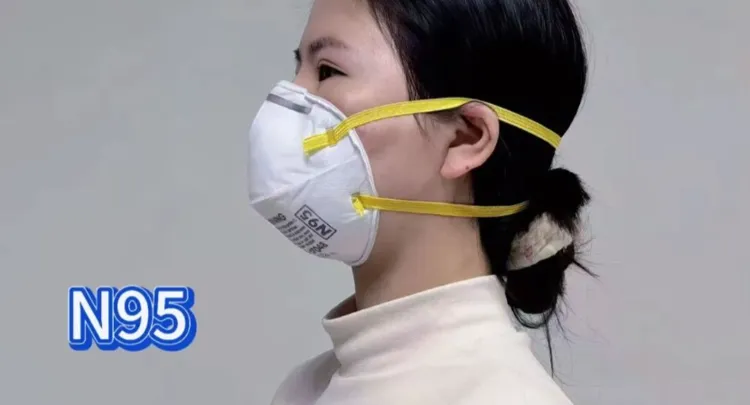
Author: Xu Lili, Chief Nurse of the Department of Respiratory and Critical Care Medicine at Wenzhou Central Hospital. Introduction: Spring Festival cleaning can stir allergens and bacteria, risking health. Use masks and ventilate for better respiratory safety. Keywords: ['Public health', 'Living Tips']
At the end of the year, Ms. Chen decided to clean up. She rolled up her sleeves and dove into the storage room filled with old items and covered in dust. Dust danced in the sunlight as she casually covered her mouth and nose with a damp towel. While cleaning, she felt a tickle in her throat but didn't think much of it. However, in the following days, she couldn't stop coughing, and it felt like a heavy stone was pressing on her chest, making it hard to breathe. Her family took her to the hospital, and the doctor told her, 'You have inhaled too much mold and dust mites, causing a severe inflammatory response in your lungs. If you had been wearing a mask, the situation would have been completely different.' Ms. Chen's experience is a 'typical case' that the respiratory department encounters every year before the Spring Festival. As people clean away the dust and prepare for the new year, they often inadvertently subject their respiratory tracts to avoidable harm. What are you inhaling while dusting? 1. The Invisible 'Allergy Brigade'. Each gram of dust may harbor millions of bacteria, thousands of mold spores, and countless mite remains. As they are stirred up by brooms and cloths, they become the culprits behind sneezing, itchy eyes, and even asthma attacks. 2. The 'Invisible Attack' of Cleaners. Many powerful cleaning agents can produce irritating gases when mixed. It is especially important to note that chlorine bleach (such as 84 disinfectant) should never be mixed with toilet cleaners (such as hydrochloric acid), as this combination can generate chlorine gas, which can cause serious harm to the eyes and lungs. Dust that is dozens of times finer than a hair strand. During a thorough cleaning, the concentration of fine particulate matter (PM2.5) in the air can soar to dozens of times its usual levels. These particles are small enough to reach deep into the lungs and even enter the bloodstream. 2. Simple and Effective Protective Methods. 01 Core Equipment: Choosing and Wearing the Right Mask. Dust disaster areas (such as storage rooms and ceilings): Dust concentration is high and contains a large amount of outdated allergens and mold. It is recommended to use N95/KN95 masks, which can filter over 95% of fine particles. Daily cleaning and sweeping: Mainly large particles of dust may be generated, so wearing a surgical mask for basic protection is recommended. Remember to keep the windows ventilated. When using disinfectants and cleaners: the main danger comes from irritating gases, so it is essential to choose a mask with an activated carbon layer, which can help reduce the inhalation of chemical gases. The key point is to be careful not to mix different cleaning agents! 02 Correct wearing, remember three points. (1) Pinch the nose clip: After putting it on, press the metal strip at the top of the mask so that it fits snugly against the bridge of your nose. (2) Check for air leaks: Take a few deep breaths and feel whether the mask slightly bulges and collapses with your breathing. It should not have air leaks around the edges. (3) Timely Replacement: If the mask becomes wet from your breath or you clearly feel that it is difficult to breathe, it's time to replace it with a new one. 03 Creating a 'Dust-Free' Cleaning System. The first step: create a 'through breeze' to allow air circulation. Choose a day with moderate humidity to clean, as dust is less likely to become airborne. Before you start cleaning, open the farthest window to create a 'through breeze,' allowing the air to circulate. Step two: Follow a 'top-down' order. First, clean the ceiling, light fixtures, and the tops of cabinets. Then, wipe down the walls and the surfaces of the furniture, and finally, clean the floor. This way, the dust will only 'fall down' and will not be stirred up repeatedly. Step three: first 'wet wipe' then 'dry suction.' For surfaces that have accumulated dust, first use a slightly damp cloth or an electrostatic duster to wipe, trapping the dust in the damp cloth. Finally, use a vacuum cleaner to clean the floor to prevent the dust from spreading. Step Four: Safely Use Cleaners. Do not mix different cleaning agents. · Carefully read the instructions and dilute according to the specified proportions. Wear gloves and a mask while cleaning, and thoroughly wash your hands and open windows for ventilation afterward. Special Care: These People Need Extra Attention. 1. For those with a history of asthma or allergies: It is advisable to consult a doctor before a thorough cleaning and to use preventive medication in advance if necessary. Please ask family members to assist in cleaning areas with heavy dust. 2. Everyone: If you experience persistent coughing, chest tightness, or difficulty breathing after cleaning, please stop and rest in a well-ventilated area. If symptoms do not improve, seek medical attention promptly. Dust removal is intended to wipe away the old dirt and welcome a fresh and clean environment, not at the expense of our health. A simple mask, a pair of rubber gloves, and an open window—these basic precautions can protect the breathing safety of ourselves and our families.
#public health
#living tips

© 2025 Health Tribe.