
Tips for Night Owls to Combat Dry Eyes and Recharge Fully
Feb 12, 2026
Author: ZS; Reviewer: Not specified; Curator: Not specified; Production/Organizational Information: Zhuzhou Aier Eye Hospital.
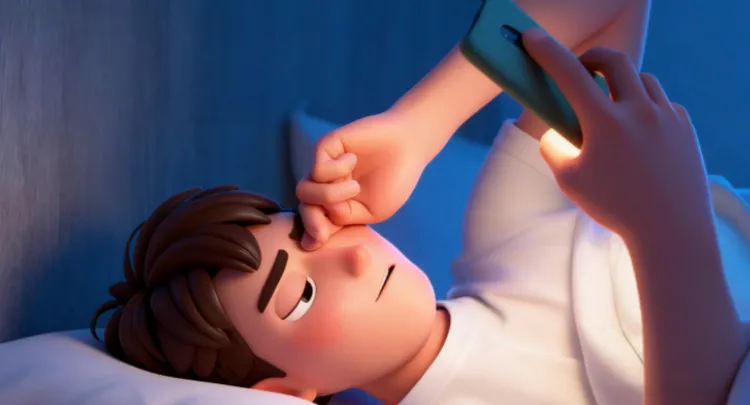
Some individuals may experience discomfort such as dryness, soreness, and a foreign body sensation in the eyes upon waking, even if they have had enough sleep. People who frequently stay up late are more likely to encounter a situation where dry eyes and poor sleep quality affect each other. This phenomenon is medically referred to as "sleep deprivation-related dry eye," and its core cause is insufficient sleep or poor sleep quality, which can directly trigger or exacerbate dry eye symptoms.
The ocular surface is covered by a tear film structure, primarily composed of lipids, water, and mucins, which helps maintain moisture on the ocular surface and serves as a physical barrier.
In a normal sleeping state, the tear film can be adequately repaired and replenished, with the secretory functions of the lacrimal glands and meibomian glands working in harmony to ensure that the surface of the eye remains in a well-hydrated condition.
Chronic late-night activity can disrupt the mechanisms for tear film production and maintenance, leading to dryness of the eyes. According to the "Chinese Clinical Diagnosis and Treatment Guidelines for Dry Eye," lack of sleep can affect the structure and stability of the tear film through various pathways.
1. "Lipids 'suspend production': Staying up late can lead to hormonal disruptions in the body, resulting in changes in hormone levels that affect the function of the meibomian glands, thereby reducing lipid secretion, causing the secretion to become viscous or obstructed. The loss of the lipid layer can accelerate tear evaporation and decrease tear film stability.
2. "Supply of moisture cut off": Lack of sleep can reduce the secretion function of the tear glands, leading to a decrease in the amount of basic tear fluid produced, resulting in reduced moisture on the eye's surface and insufficient supply of tears.
3. Inflammation "disturbances": Prolonged late nights can lead the body to a state of chronic low-grade inflammation, where inflammatory factors can affect the function of surface cells in the eyes, disrupt the stability of the tear film, and exacerbate eye discomfort.
In summary, the dryness of the eyes associated with staying up late is not simply due to a lack of tears, but rather a comprehensive abnormality in the ocular surface microenvironment and the structure and function of the tear film.
Experts from Zhuzhou Aier Eye Hospital remind that for treating dry eyes related to sleep deprivation, relying solely on local eye drops will not achieve long-term improvement. The core intervention is to enhance sleep quality, which addresses the root cause of eye discomfort.
1. Adjust your daily routine.
1. Regular sleep schedule: Maintaining a relatively consistent bedtime and wake-up time, aligning holidays with workdays as much as possible, helps to stabilize the body's endocrine system, regulates related hormone levels, and provides a physiological foundation for ocular surface health.
Reduce the use of electronic devices before bedtime: Avoid using smartphones, computers, and other electronic products for one hour before sleeping to minimize blue light exposure and decrease interference with sleep rhythms.
2. Optimize sleep environment and habits.
Create a suitable sleep environment: Keeping the bedroom quiet, with soft lighting and a comfortable temperature, helps enhance sleep depth and provides the necessary conditions for the repair of the ocular surface tissues.
Avoid consuming stimulants before sleep: Try not to ingest substances such as coffee, strong tea, or alcohol before bedtime, as these can interfere with normal sleep patterns and reduce sleep quality.
Seek professional medical intervention in a timely manner.
If symptoms of dry eyes are prominent, or if sleep quality has not improved after the above adjustments, professional medical support should be sought. Clinically, targeted sleep interventions can be implemented based on individual circumstances, or standardized treatments for dry eyes may be combined with measures such as meibomian gland massage and intense pulsed light therapy.
(Editing ZS)
#health
#sleep quality
© 2025 Health Tribe.