
How to prepare for a colonoscopy diet tips and guidelines Key dietary guidelines for a successful colonoscopy preparation Essential steps for preparing your diet before a colonoscopy What to eat and avoid before a colonoscopy clear liquid guide Prepare for your colonoscopy with these key dietary tips
Feb 17, 2026
Author: Unknown Reviewer: Unknown Curator: Unknown Production Information: Unknown Title: How to prepare for a colonoscopy diet tips and guidelines Key dietary guidelines for a successful colonoscopy preparation Essential steps for preparing your diet before a colonoscopy What to eat and avoid before a colonoscopy clear liquid guide Prepare for your colonoscopy with these key dietary tips Introduction: Bowel prep is vital for colonoscopy; the article outlines diet tips and medications for accurate exam results.
What is the biggest fear when getting a colonoscopy? It is not the laxative consumption or the discomfort during the procedure, but the anxiety of not achieving a successful preparation despite all efforts. In our colorectal and anal surgery department, we often meet patients who take time off work, schedule appointments in advance, and endure the discomfort of taking the laxative, only to make multiple trips to the bathroom. When they finally have the colonoscopy, the doctor often finds residual stool in the bowel, leading to an inability to proceed, requiring them to reschedule. Patients feel their effort is wasted, needing a new appointment and another round of laxative, which is quite exhausting. However, with the right approach, most individuals can succeed with their first attempt.
What kind of bowel preparation is considered adequate?
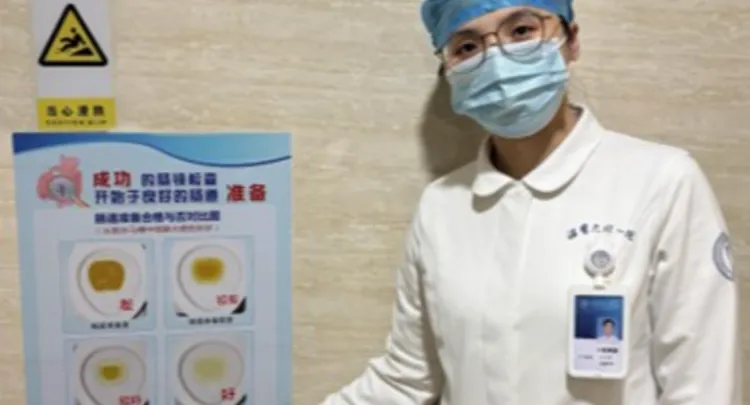
The final excretion must be colorless or light yellow, clear, free of residue, without stool lumps, and devoid of foam.
Any excrement showing the following characteristics will be deemed unqualified:
1. Turbid yellow water with residues and suspended substances.
2. Excessive foam that can obstruct the lens and hinder observation, requiring silicone oil (defoamer) addition.
How can you eat to ensure clean and smooth bowel movements?
For the general population: Consume a low-residue semi-liquid diet one day prior to the examination.
✅ Acceptable foods: rice porridge, noodles, white bread, steamed buns, steamed eggs, tofu, peeled potatoes, fish, and other easily digestible semi-liquid options.
❌ Prohibited foods: vegetables, fruits, foods with seeds (such as dragon fruit, kiwi, watermelon), whole grains, kelp, wood ear mushrooms, nuts, red dates, and dark-colored foods.
It is particularly crucial for individuals with constipation, the elderly, and obese patients to initiate dietary intervention beforehand. These patients should adhere to a low-residue diet for three days leading up to the procedure; otherwise, bowel cleansing may fail.
What pitfalls should be avoided?
1. Not following a low-residue diet with adequate prior food intake may cause high-fiber residue to adhere to the intestinal walls and remain unflushed.
2. Taking laxatives too slowly, too early, or insufficiently, or vomiting.
3. Failing to finish the yellow liquid which indicates not all the medication was taken, leading to inadequate preparation.
4. Not using a foam agent, risking obstruction of the camera's view.
5. Not providing pre-treatment for patients with constipation.
Additionally, please pay attention to the following special circumstances!
(1) Hypertensive individuals: Take prescribed medications normally on the day of the examination with a small amount of warm water.
(2) Diabetic individuals: Refrain from taking hypoglycemic medications and insulin that day, and carry clear sugar cubes to prevent hypoglycemia.
(3) Those on anticoagulants (such as aspirin or warfarin): Inform your doctor beforehand to determine whether you should discontinue the medication.
(4) Pregnant women and individuals with renal insufficiency should select appropriate laxatives based on medical advice and avoid self-medication.
If you experience heart palpitations, dizziness, or cold sweats, notify the medical staff immediately.
If persistent residue is present, contact the department promptly, as laxatives or enemas may need administration.
A properly cleaned intestine is essential for the doctor to accurately visualize and not miss small polyps or early cancer.
#health
#digestive system



© 2025 Health Tribe.