
How to Prevent Fish Bones from Getting Stuck in Your Throat
Feb 20, 2026
Title: How to Prevent Fish Bones from Getting Stuck in Your Throat Introduction: Fish bones can pose choking hazards during Spring Festival meals; knowing how to handle them can keep celebrations joyful. Keywords: ['Health and Safety', 'Festival Cuisine'] Author: Jiang Yongyuan, Master's in Internal Medicine from Third Military Medical University Reviewer: Pan Chunchen, Associate Chief Physician, Department of Otolaryngology, Head and Neck Surgery, First Affiliated Hospital of University of Science and Technology of China. Planning: Wang Mengru Editor: Wang Mengru Proofreading: Xu Lai, Zhang Linlin
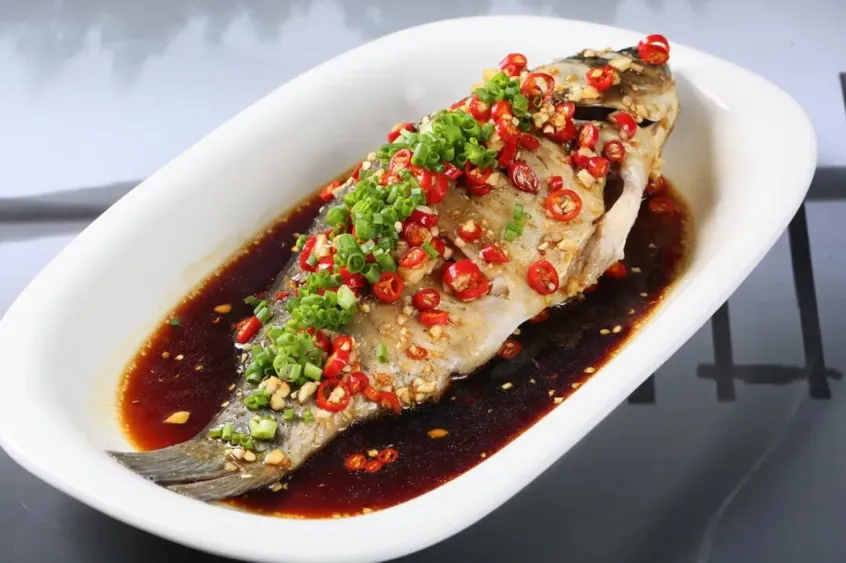
The dining table during the Spring Festival is often graced with a "whole fish with bones." This dish symbolizes abundance year after year and is filled with cherished memories of family gatherings. However, after each holiday, the ENT department and the emergency room frequently see numerous patients suffering from fishbone impaction. This is a common issue that is often overlooked but can be quite hazardous at the dining table. The severity of the situation is determined not by the size of the fishbone, but by where it becomes lodged and the actions taken afterwards. Fish bones can become trapped in various locations within the throat, ranging from common to more hazardous spots. Most frequently, fish bones can get caught in the following areas: 1. Throat - Often becoming lodged in the pharynx or esophagus. 2. Tonsils - Bones can become trapped around the tonsillar area, causing discomfort. 3. Back of the throat - This is a common site for fish bones, which can provoke choking or irritation. 4. Near the vocal cords - In some cases, bones may reach this sensitive area, posing a risk of injury or airway blockage. 5. Lower esophagus - Though less prevalent, bones may occasionally descend to the lower part of the esophagus, leading to more serious complications. Timely intervention for fish bone-related issues is crucial, as improper handling can lead to significant health risks. Analysis of extensive data shows that fish bones most frequently become lodged in the anatomical constrictions or mucosal folds of the upper respiratory and digestive tracts. A retrospective cohort study involving 1,293 patients revealed that in those confirmed to have fish bones lodged, most foreign objects were situated in the oropharynx and hypopharynx areas, including the palatine tonsils, base of the tongue, vallecula epiglottica, and pyriform sinus. These locations are highly sensitive during swallowing, so even a small fish bone can create a pronounced sensation of a foreign body and pain. Importantly, "where it hurts" does not always indicate "where the fishbone is located." In this study, many patients' perceived locations were inaccurate, and reliance on symptoms alone can easily underestimate the risk. This may explain why some individuals repeatedly feel discomfort, while no clear foreign object is identified in initial examinations.
#health and safety
#festival cuisine


© 2025 Health Tribe.