
Global Webinar on Ship Sanitation and Public Health Capacities
Mar 02, 2026
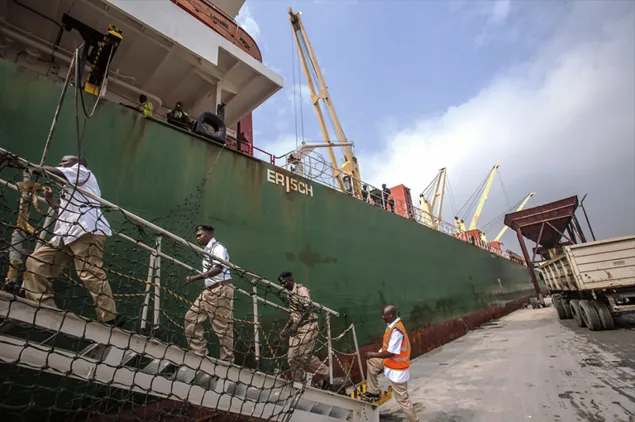
Ships cross borders every day, linking nations and serving as a crucial component of the global economy. However, outbreaks on ships can disrupt maritime traffic, resulting in significant detrimental economic and operational effects. Without robust public health capacities to detect, prevent, and respond to health risks on vessels, maritime travel may also facilitate the spread of infectious diseases.
To assist countries in enhancing these capacities, the World Health Organization (WHO) hosted a two-day webinar on February 11–12, gathering over 700 ship inspectors, port health officials, and public health authorities, primarily from the African, Eastern Mediterranean, and European regions.
The webinar occurred at a critical juncture. With the revised International Health Regulations coming into effect on September 19, 2025, the emphasis on public health preparedness has become more crucial than ever. Strengthening public health capacities at borders, including on board transportation, is fundamental to global health security and is central to the amended International Health Regulations.
“The high attendance and active participation throughout the two days of the webinar underscored the increasing demand for technical guidance and capacity-building support in ship inspections and the issuance of Ship Sanitation Certificates,” stated Dr. Ninglan Wang, Head of the Borders, Mass Gatherings and Health Protection Measures (BMM) Unit at the Health Emergency Preparedness Department at WHO headquarters. “The dynamic interactions among experts and countries emphasized the importance of continued cross-border collaboration in the maritime sector and the exchange of knowledge in this field.”
Conducting regular public health inspections on ships for the issuance of Ship Sanitation Certificates (SSCs) per International Health Regulations is essential to ensure that vessels meet specific health standards, thus minimizing the risk of international disease transmission via maritime traffic. These certificates, mandated by the International Health Regulations, require ports to employ trained personnel capable of identifying and controlling public health risks on vessels and applying recommended control measures. This standardized global process not only ensures compliance with the International Health Regulations but also promotes consistency in health practices among ports worldwide.
Ship Sanitation Certificates (SSCs) are the internationally recognized instrument used to prevent and manage known public health risks on vessels, providing a common framework for reporting and communicating public health events and measures taken on board among all stakeholders involved, including public health authorities at ports and ship operators. Only SSCs issued by ports authorized by national authorities are deemed valid. As stipulated by the International Health Regulations, all States Parties must submit their list of authorized ports to WHO and ensure it is kept updated.
However, many Member States still confront practical challenges, such as limited resources, high staff turnover, and competing priorities. These challenges highlight the importance of platforms like this webinar, which promote collective learning, peer-to-peer exchanges, and practical solutions to help countries build and maintain the necessary capacities under the International Health Regulations.
During the two-day event, participants engaged in presentations and discussions on various technical and operational topics, including the overarching international legal framework governing ship sanitation; pre-inspection planning considerations; risk assessment factors by vessel type; the completion and issuance of Ship Sanitation Certificates (SSCs) and evidence report forms; as well as practical insights on inspections in technical areas such as food safety, medical facilities, water systems, and vector control.
Furthermore, public health authorities from the Netherlands, Morocco, and Tanzania presented case studies to demonstrate their practical application of these International Health Regulations requirements in their respective countries.
Given its success, WHO plans to hold similar sessions in the future to accommodate additional time zones and regions, addressing other urgent border health-related topics. This approach ensures that Member States continue to benefit from opportunities for sharing knowledge and expertise.
#public health
#international cooperation



© 2025 Health Tribe.