
Home Management Tips for Elderly Sleep Apnea Prevention
Mar 12, 2026
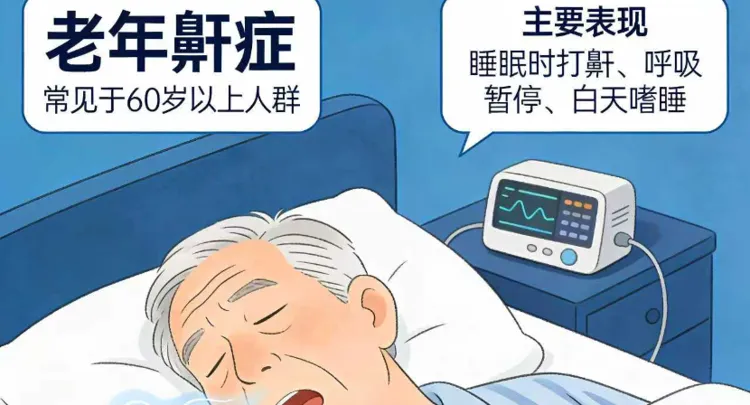
Author: Not provided Reviewer: Not provided Curator: Not provided Production Information: Not provided Title: Home Management Tips for Elderly Sleep Apnea Prevention Introduction: The article discusses sleep apnea's effects on the elderly and offers management strategies and prevention measures.
Have you noticed that the snoring of elderly people while sleeping fluctuates, sometimes becoming loud and then suddenly going quiet? After some time, they might abruptly gasp for air, and the snoring resumes.
Many people think that snoring indicates a good night's sleep, but the process of "snoring—holding breath—gasping" actually shows that the airways are blocked and the body is repeatedly deprived of oxygen. This doesn’t signify deep sleep; rather, it indicates restless sleep.
According to statistics, the prevalence of sleep apnea among people over 60 in our country is as high as 30% to 40%, yet the vast majority are unaware that this is a medical condition. The long-ignored issue of "snoring" is quietly harming the cardiovascular system and brain health of the elderly.
Our airways resemble a flexible tube; when we are young, the muscles are strong and the airflow is smooth. As we age, the throat relaxes and the base of the tongue falls back, causing the air passages to become constricted like a flattened straw, resulting in snoring as air flows through.
Simple snoring and sleep apnea are two different matters.
Simple Snoring: The snoring sound is even and steady, and can disappear once the triggers are eliminated, such as fatigue, alcohol consumption, or occasional occurrences during a cold.
Snoring to be wary of: The snoring varies abruptly in volume, suddenly quieting for several seconds or even tens of seconds, followed by a sharp intake of breath before resuming. This "gasping" snore can occur dozens to hundreds of times throughout the night, leading to repeated awakenings. In medical terms, this is referred to as obstructive sleep apnea (OSA).
Snoring is not a sign of sound sleep; rather, it is a cry for help from the airways. If you notice a family member exhibiting symptoms such as "snoring interruptions—breath-holding—gasping," have them sleep on their side and record a sleep video during the day. Consult a doctor afterward. Early detection and intervention can significantly reduce the risk of cardiovascular issues and facilitate a good night's sleep.
The repeated lack of oxygen during the night poses dangers that extend beyond mere daytime sleepiness.
Heart and Vascular Issues: Each pause in breath leads to a drop in blood oxygen levels, forcing the heart to beat faster and causing sudden increases in blood pressure. Over time, this damages vascular walls and accelerates arteriosclerosis. Data shows that patients have a fourfold increased risk of hypertension and myocardial infarction compared to the general population, and a threefold increase in stroke risk. The phenomenon of nighttime blood pressure not decreasing or even rising is often caused by sleep apnea.
Brain Damage: The brain is a major consumer of oxygen, and prolonged oxygen deficiency can harm areas related to memory, such as the hippocampus, leading to cognitive decline and slower response times. The Alzheimer's Association in the United States has included this as a reference item for dementia screening. Research indicates that untreated individuals with sleep apnea experience cognitive decline at a rate 2 to 3 years faster than their peers.
Metabolic Injury: Hypoxia activates the sympathetic nervous system, disrupting hormones such as cortisol and insulin, thereby exacerbating insulin resistance. The risk of diabetes is 2.5 times greater than that of the average person, leading to a vicious cycle of weight gain and airway blockage.
Kidney and Eye Damage: Repeated episodes of hypoxia can lead to increased nocturia due to impaired renal concentrating ability and raise the risk of glaucoma and retinal diseases.
If elderly family members exhibit the following situations, extra attention is warranted:
1. Frequent daytime sleepiness: Falling asleep while sitting, such as watching TV or chatting, may indicate poor sleep quality at night, leading to excessive daytime fatigue.
2. Waking up unwell in the morning: Symptoms like headache, dry mouth, and parched sensation could indicate breathing issues during the night.
3. Frequent nocturnal urination: Needing to get up multiple times at night could signal lack of oxygen stimulating renal function.
4. Deteriorating memory and increased irritability: Forgetfulness and emotional instability may result from oxygen deprivation affecting brain function.
A small method: Elderly individuals often wake up from suffocation without realizing it. Recording 10 to 15 minutes of sleep video on your phone before bedtime can provide valuable insights.
Family intervention before a confirmed diagnosis at the hospital is fundamental.
When lying on their back, the tongue and soft palate can block the airway. You can sew a tennis ball into the back of their pajamas or use a small pillow to encourage side-sleeping. Many mild cases see reduced snoring with side-sleeping.
Reducing neck fat can naturally enlarge airway space. A weight loss of 5% to 10% may alleviate symptoms significantly.
Alcohol relaxes throat muscles and can exacerbate blockages. It is essential to consult a doctor for sleep issues rather than self-medicate.
Nasal problems can worsen snoring. Visit an otolaryngologist if nasal congestion is evident. Consideration should also be given to endocrine issues such as hypothyroidism.
Seek medical attention if:
Family members observe clear apnea episodes.
Severe daytime sleepiness affects daily life.
Blood pressure remains difficult to control.
Consultation Departments: Respiratory or Otolaryngology Departments are recommended.
Diagnostic Checks: Polysomnography is the gold standard for diagnosis.
Home sleep monitoring has become a convenient option.
High-risk groups to actively screen: obesity, hypertension, diabetes, etc.
Referral is often to Respiratory Internal Medicine or Otorhinolaryngology departments.
Continuous Positive Airway Pressure (CPAP) is often the first choice for treatment.
Usage guideline: The daily usage should be at least 4 hours.
Adjustments can help address common issues such as mask leaks.
Oral appliances are suitable for mild to moderate patients.
Surgical options may be considered for patients with anatomical issues.
Lifestyle modifications are essential regardless of treatment.
Avoid purchasing anti-snoring products without a doctor's advice.
Family support in management is crucial.
Regular follow-ups should be conducted to evaluate treatment efficacy.
Snoring is a distress signal from the airway. It may be advisable to try sleeping on the side and to record sleep patterns for an upcoming consultation.
Early detection and intervention are vital for not only achieving restful sleep but also for mitigating potential cardiovascular risks.
#elderly health
#sleep management



© 2025 Health Tribe.