
Beijing pollen season arrives early: Allergy prep tips needed
Mar 13, 2026
Author: Peng Guoqiu, Associate Chief Physician at the Fourth Medical Center of the People's Liberation Army General Hospital. Reviewer: Unknown. Curator: Unknown. Production/Organizational Information: Unknown.
In the recently passed winter, many areas in northern China experienced significantly higher temperatures than usual, resulting in an earlier flowering season for plants and an earlier onset of pollen season in many regions compared to previous years. Last year, the first appearance of cypress pollen was recorded on February 27; however, in 2026, this date was pushed forward to February 19, which is eight days earlier than the previous year.
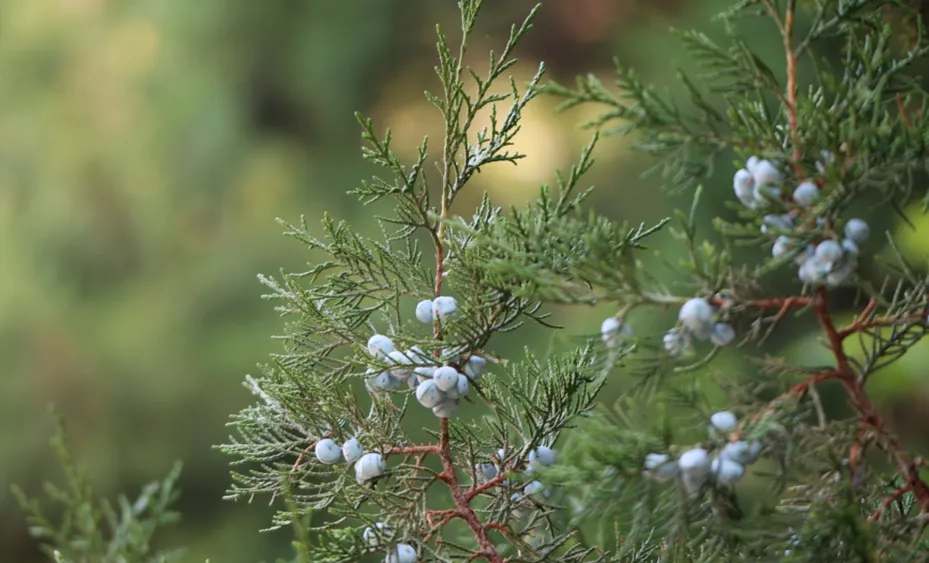
At present, the predominant allergenic pollen in the air is from the Ulmus (elm) genus and the Cupressaceae (cypress) family.
According to the Pollen Monitoring Room of Beijing Shijitan Hospital, cypress pollen was detected in the Beijing area on February 19. Pollen from the elm genus was identified on February 20, and by February 23, the overall level of major allergenic pollen for spring had reached 128 grains per 1000 square millimeters.
Source: Beijing Release.
Additionally, @MeteorologyBeijing updated the pollen situation and pollen concentration forecast on March 1 of this year. Recent data shows the primary allergenic pollen species responsible for allergies in Beijing is from the Ulmus family. It is expected that on March 7 and 8, pollen from the Cupressaceae family will begin to increase in concentration starting in Dongcheng, Xicheng, Chaoyang, and Fengtai, and will continue to rise thereafter.
Source: @Meteorology Beijing.
Experts predict that from mid-March to mid-April marks the peak period for spring pollen allergies. The concentration of allergenic pollen is anticipated to start decreasing by late April, with a significant reduction expected following the May Day holiday.
In recent years, the number of people suffering from allergies has noticeably risen.
Many individuals report observing a growing number of allergy sufferers in their surroundings, noting intensified symptoms and prolonged allergic reactions.
Allergies arise from an abnormal and excessive immune response to pollen, leading to the production of excessive antibodies and allergic cells. The causes of allergies are complex and relate to factors such as the immune status of the individual and environmental influences. In recent years, warmer climates have extended flowering periods for many plants, resulting in higher pollen concentrations and an increased likelihood of allergies.
Moreover, some individuals may experience a decline in their physical condition following illness, or due to factors such as frequent late nights, high mental stress, and prolonged fatigue, which may weaken the immune system and exacerbate allergy symptoms.
There are significant differences between allergens in the north and south.
Experts note that the air in northern regions is relatively dry, facilitating pollen dispersion. Consequently, there are more pollen allergy sufferers in areas north of the Yangtze River, and this type of allergy is seasonal.
The pollen season in Beijing primarily spans from early March to mid-May and is predominantly characterized by tree pollen. The summer and autumn pollen season extends from late July to the end of September, focusing on pollen from weeds.
In contrast, the climate south of the Yangtze River is humid, which contributes to a higher number of dust mite allergy sufferers in that region. This type of allergy is non-seasonal and can occur year-round.
Identifying pollen allergies.
Individuals prone to allergies include those with a family history of allergies, children and adolescents with underdeveloped immune systems, individuals who frequently stay up late or endure significant stress, and those exposed to allergen-rich environments over extended periods.
Allergies may provoke symptoms such as sneezing, runny nose, and coughing, which can lead many to mistakenly attribute them to a cold, delaying appropriate treatment. Simple self-evaluation can help differentiate between the two:
If you experience nasal itching, sneezing, a runny nose, and red, itchy eyes, yet lack symptoms like fever, sore throat, or body aches, and find that symptoms worsen outdoors or in windy conditions, it is highly suspect that you have a pollen allergy.
Furthermore, if you suddenly develop an allergy to a specific food, experiencing dryness and itching in the mouth alongside swollen lips, it may indicate a cross-reactive allergic response between pollen and food; seeking medical attention promptly is advised.
It is advisable for individuals with allergies to take precautions in advance.
1. Monitor pollen concentration forecasts.
During peak pollen allergy periods, which typically occur from 10 AM to 5 PM, pollen concentrations can be high, making outdoor exposure more likely to trigger allergies. If going outside is necessary, wearing a pollen mask and goggles can help prevent pollen from contacting the eyes and nasal mucosa.
Source: China Weather Network.
2. Maintain cleanliness.
Upon returning indoors, it is crucial to quickly clean your face and eyes, and rinse nasal passages and other areas prone to pollen accumulation.
It is important to note that not only specific trees can cause pollen allergies. Pollen particles are tiny and can be carried great distances by the wind. Therefore, regularly using a vacuum cleaner to clean carpets, curtains, and other dust-holding items is advisable to maintain fresh indoor air.
3. Adhere to medical prescriptions.
Generally, if allergic symptoms are severe, it is recommended to use antihistamines as directed by a doctor 1 to 2 weeks prior to the onset of allergy season.
Allergies are chronic allergic diseases caused by the interplay of immune status, genetic factors, and environmental allergens. While a complete cure is is not yet available, effective long-term control of symptoms can be achieved through standardized and scientifically-based management principles, permitting individuals to live without disruption.
The cover image of this article is from a stock photo library.
Reposting may lead to copyright disputes.
#allergy
#seasonal health


© 2025 Health Tribe.