
Three key steps for effective stroke rehabilitation guidance
Mar 14, 2026
Authors: Lei Xiaomin, Gao Caiping, Wu Yunfeng, Xie Yiwei Unit: Shanghai Yangzhi Rehabilitation Hospital (Shanghai Sunshine Rehabilitation Center) Neurological Rehabilitation Center Review: Zhai Hua (Vice Chairman of the Science Popularization Working Committee of the Chinese Rehabilitation Medicine Association) Editor: Jia Jing (Xinhua Hospital, Affiliated to Shanghai Jiao Tong University School of Medicine) Title: Three key steps for effective stroke rehabilitation guidance Introduction: Stroke poses a major health threat; early rehab care boosts post-stroke recovery in acute, recovery, and sequelae phases. Keywords: ['health', 'rehabilitation'] Main text: Cerebrovascular disease is the leading cause of death among residents in our country, and the risk of stroke for Chinese individuals is the highest in the world. Ischemic stroke accounts for 81.9% of hospitalized stroke patients, with strokes caused by large vessel occlusion being particularly severe and having poor prognoses, which imposes a heavy financial burden on patients, families, and society. Early rehabilitation nursing for stroke is crucial for reducing disability and enhancing quality of life. The primary goals are to prevent complications, alleviate functional impairments, and improve daily living abilities, ultimately assisting patients in returning to their families and communities. Clinical rehabilitation nursing should be scientifically advanced in stages, divided into three phases: the acute phase, the recovery phase, and the sequelae phase. The specific nursing measures for each stage are as follows.
1. Guidance for Rehabilitation Nursing in the Acute Phase (within 1-2 weeks post-onset) The focus of this stage is to stabilize the condition and to strictly prevent complications such as lung infections, pressure sores, joint contractures, and deep vein thrombosis, laying a solid foundation for subsequent rehabilitation. 1. Proper positioning of the limbs: Maintain the affected limb of the patient in a functional position. When the patient is lying supine, place a pillow under the affected shoulder to keep the arm abducted with the palm facing up. In the side-lying position, alternate between the unaffected and affected sides, extending the affected upper limb while keeping the spine in a neutral position. This method helps prevent muscle spasms and joint deformities through proper placement. During the positioning process, ensure movements are gentle and align with the physiological angles of the patient's limbs. 2. Passive joint movement: Under the guidance of professional medical staff or with the assistance of family members, perform passive flexion, extension, and rotation movements on the patient's affected shoulder, elbow, wrist, hip, knee, and ankle joints. Each session should control the amplitude and frequency reasonably, focusing on maintaining joint mobility to prevent stiffness caused by prolonged immobilization. During the process, closely monitor the patient's reactions and adjust promptly if pain occurs. 3. Early preparation for getting out of bed: Once the patient's condition is stable, gradually start rehabilitation nursing exercises in bed. Guide and assist the patient in performing movements such as rolling over, sitting up, and bridge exercises. Ensure safety during the training to prevent accidents like falling out of bed. This training aims to activate the patient's core muscle groups, laying a physical foundation for subsequent standing and walking exercises. The training intensity should follow a gradual progression principle and be adjusted according to the patient's tolerance.
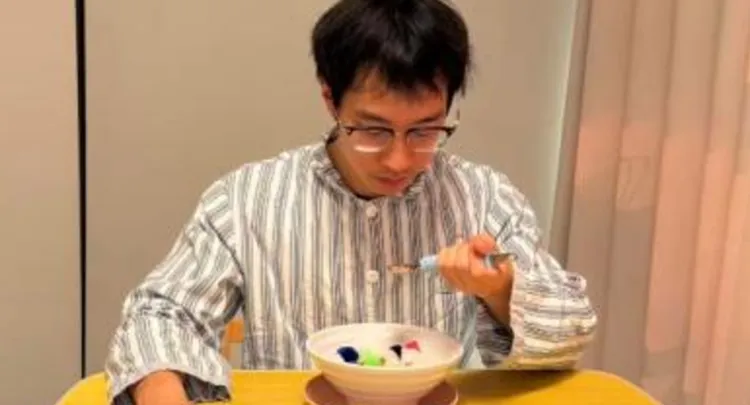
2. Rehabilitation Care Guidance During the Recovery Period (2 weeks to 6 months after onset) This stage should promote the recovery of nervous function, improve limb motor function, enhance daily living abilities, and improve the quality of life, thereby preparing patients to return home and gradually reintegrate into society. 1. Strength and Balance Training: Conduct seated and standing balance training, guiding patients in transferring from bed to wheelchair and other movement exercises. Based on the patient's limb functionality, incorporate the use of walking aids and orthotics for walking training and correct any abnormal gait. At the same time, engage in muscle strength and endurance training. Ensure proper warm-up before training, provide supervision throughout the training session to correct improper movements in real-time, and gradually increase the training difficulty according to the patient's recovery progress, aiding in the gradual restoration of limb motor functions. 2. Fine Motor Skills Training: Specialized nursing training is conducted for patients with upper limb dysfunction, focusing on exercises that enhance fine motor movements such as pinching, grasping, and holding. Practical training simulates daily life scenarios, including dressing, eating, and personal hygiene. During the training, support can be provided based on the patient's condition, and guidance on the details of the movements should be given patiently, gradually improving the patient's ability to care for themselves.
3. Language and Swallowing Disorders: Language function: For patients with speech difficulties, start with basic pronunciation training using sounds like 'ah' and 'oh,' gradually transitioning to training with letters, words, and short phrases. During care, maintain patience, encourage patients to express themselves actively, and provide timely affirmation and guidance. Swallowing function: For patients experiencing difficulty swallowing, first instruct them to practice basic actions such as dry swallowing and puffing their cheeks to improve the function of the swallowing muscles. In dietary care, initially provide them with pureed and soft foods, guiding the patients to take small bites and swallow slowly. Ensure they maintain an appropriate position while eating to prevent choking and aspiration, and closely monitor the patients' responses during meals. Based on the recovery of swallowing function, gradually adjust the types of food provided.
Rehabilitation Care Guidance for Aftermath Period (6 Months After Onset) In this stage, it is important to consolidate the rehabilitation achievements from the earlier phase to prevent functional decline. We will enhance the convenience of daily living through compensatory training and the adaptation of assistive devices. At the same time, we will pay attention to the psychological state of the patients, helping them better integrate into society. 1. Enhancement and Maintenance of Function: Continuously conduct training for daily activity abilities, guiding patients in walking, going up and down stairs, and practical exercises for hand functions. Develop personalized training plans based on the patient's physical condition to ensure continuity and rationality of the training, avoiding functional decline due to prolonged inactivity. At the same time, the training should focus on protecting the patients and reducing the risk of accidents such as falls. 2. Use of Assistive Devices: Based on the patient's physical function and daily needs, accurately fit assistive devices such as wheelchairs, crutches, smart orthotics, and adaptive utensils. Provide professional guidance to patients and their families on the correct usage methods and daily maintenance tips for these devices. Adjust the parameters of the devices in a timely manner according to the patient's usage, ensuring convenience and safety in their use. These assistive devices aim to compensate for the patient's functional deficiencies and enhance their ability to care for themselves.
Psychological Rehabilitation and Social Integration: Closely monitor the psychological state of patients to timely identify negative emotions such as depression and anxiety. Alleviate patients' psychological pressure through one-on-one counseling and encouraging communication. Collaborate with families and the community to build a social support system, encourage patients to participate in suitable social activities, help them re-establish their understanding of social roles, boost their confidence in life, and gradually achieve social integration. Stroke rehabilitation nursing is a long-term, systematic process that must adhere to the principles of gradual progression, individualized care, and multi-party collaboration. Throughout the nursing process, care plans need to be dynamically adjusted based on the patient's condition, physical tolerance, and recovery status. Collaboration among healthcare professionals, patients, and family members is essential: healthcare professionals provide expert nursing guidance and training programs; family members assist with daily care and home nursing; and patients maintain a positive rehabilitation mindset while actively participating in their training. Through scientific, standardized, and continuous rehabilitation nursing, we aim to maximally improve patients' functional impairments, enhance their quality of life, and help them transition from clinical rehabilitation to life rehabilitation.
References Wu Wei. Nursing Methods and Effect Analysis of Rehabilitation Training for Hemiplegic Patients with Cerebral Infarction. China Medical Guide, 2021, 19(9): 200-201. Gao Huiwen, Huo Yanmei, Wang Wei, et al. The Role of Early Precision Exercise in the Rehabilitation of Motor Function in Patients with Acute Ischemic Stroke and Hemiplegia. Journal of Practical Neurological Diseases in China, 2023, 26(8): 1007-1011. Yu Xiuli. The Impact of Early Rehabilitation Care on the Recovery of Limb Function in Patients with Hemiplegia After Stroke. Chinese Medical Guide, 2020, 18(4): 199-200. Hu Dandan. The Impact of Early Rehabilitation Nursing on the Motor and Cognitive Functions of Stroke Patients. Chinese Urban and Rural Enterprise Health, 2020, 35(11): 129-130. Ma Aihua. Observation of the Application Effect of Early Rehabilitation Nursing in the Placement of Good Limb Position in Stroke Patients with Hemiplegia. Chinese Community Doctors 2025, 41(14): 154-156. END
#health
#rehabilitation



© 2025 Health Tribe.