
Spring skincare tips to balance your complexion effectively
Mar 21, 2026
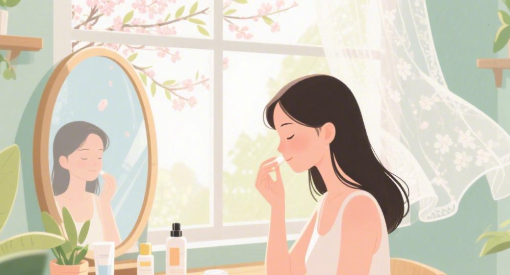
Author: Unknown Reviewer: Unknown Curator: Unknown Production/Organizational Information: Unknown Title: Spring skincare tips to balance your complexion effectively Introduction: Spring equinox raises temperatures and UV rays, prompting a guide for hydrating, sun protection, and skin health tips. Keywords: ['Skincare health', 'Seasonal Care'] Main text: The spring equinox has arrived, bringing a balance between yin and yang, with equal day and night and a moderation of cold and heat. At this time, our skin also stands at a critical point of "seasonal change." A little carelessness can lead to the predicament of "oily on the outside, dry on the inside," or sensitivity and redness. This comprehensive guide will help you protect your skin barrier and navigate the spring season smoothly.
1. The "Risks" and "Opportunities" for Skin at the Spring Equinox. Climate Challenges: After the spring equinox, temperatures rise, and ultraviolet (UV) intensity can reach 2-3 times that of winter, with UVA having strong penetration, making it an "invisible killer" of photoaging. At the same time, the concentrations of pollen, poplar fluff, and dust mites in the air surge, combined with strong winds and dryness, which can easily trigger contact dermatitis and damage skin barriers. Skin Condition: The sebaceous glands are becoming more active, but the stratum corneum's ability to retain moisture has not fully recovered, making it prone to a false oily appearance with dryness underneath. The capillaries are frequently contracting and expanding due to temperature differences, increasing the risk of redness and itchiness for sensitive skin. Core Strategy: Minimalist Skincare, Precision Repair.
1. Cleanliness: Gentle is paramount, safeguarding the first line of defense. Principle: Avoid excessive degreasing. When there is not much oil production in the morning, it is recommended to cleanse the face using only warm water (32-35°C); in the evening, choose cleansing products that contain amino acids or APG glucoside, with a pH level close to the skin’s weak acidity. Taboos: Stop using scrubs, cleansing devices, and soap-based products. Limit face washing to within 20 seconds and avoid rubbing or pulling. 2. Moisturizing: Repairing the barrier, locking in the "golden water." Ingredient selection: Ceramides (supplementing intercellular lipids), squalane (forming a protective film), panthenol (B5, soothing and repairing), hyaluronic acid (water retention). Golden 3 Minutes: After cleansing or showering, within 3 minutes, take advantage of the high moisture content in the stratum corneum and immediately apply a moisturizing cream to enhance water retention efficiency by 40%. For dry skin, apply a thick layer of cream; for oily skin, a refreshing lotion is recommended. 3. Sunscreen: A combination of hard and soft elements to combat light damage.
Index selection: Commuting SPF 30 PA, Outdoor activities SPF 50 PA. Sensitive skin strategy: prioritize hard sun protection (hats, masks, sunglasses). If using sunscreen, choose physical sunblock (containing zinc oxide and titanium dioxide), which has low irritation. Use an adequate amount (about the size of a one-yuan coin for the entire face) and reapply every 2-3 hours. 4. Efficacy Pause: Give Your Skin a "Break." Stop using "potent ingredients": Suspend the use of high concentrations of retinol, fruit acids, salicylic acid, and other exfoliating components to avoid making things worse during periods of compromised skin barrier.
Emergency Plan: If redness and dryness occur, immediately stop using all products. Only apply a saline solution for wet compresses or use medical dressings for a cold compress for 10 minutes, then apply a thin layer of repair cream. Adjusting to Life: Harmonizing with the Seasons, Supporting the Liver and Nourishing the Skin. Dietary Restrictions: In spring, liver energy is strong and it's easy to get overheated. Limit the intake of "heating" foods such as beef, lamb, seafood, and spicy or greasy dishes. Instead, eat more green leafy vegetables (like spinach and shepherd's purse), white fungus, and lily bulbs, which nourish and moisten. Avoid consuming phototoxic foods like celery and cilantro.
Environmental Protection: Wear a mask when going out during pollen season, and immediately wash your nose and face upon returning home. Use a humidifier indoors to maintain humidity levels between 40% and 60% to reduce static electricity that attracts dust. Sleep management: Go to bed early and rise early, ensuring to sleep before 11:00 PM. In spring, it is advisable to soothe the liver, maintain a pleasant mood, and avoid anxiety and stress that may trigger "stress acne." IV. Compliance Warnings and Medical Treatment Boundaries. Compliance Statement: The content of this article is a sharing of health knowledge related to solar terms and does not involve any medical diagnosis or product efficacy claims. Cosmetics cannot replace medications and do not have therapeutic effects.
Medical indication: If there is a large area of redness, swelling, oozing, intense itching, blisters, or accompanying systemic symptoms such as difficulty breathing, please stop using all skincare products immediately and go to a reputable hospital's dermatology department for treatment. Do not use hormone ointments indiscriminately on your own.
#skincare health
#seasonal care
Read These Next



© 2025 Health Tribe.