
Stay Safe from Smog Health Risks: Essential Protection Tips
Mar 28, 2026
Author: Wang Qingying, Nurse in the Department of General Medicine, Peking Union Medical College Hospital, Chinese Academy of Medical Sciences. Review: Fan Junping, Associate Chief Physician of the Department of Respiratory and Critical Care Medicine, Peking Union Medical College Hospital, Chinese Academy of Medical Sciences. Li Xiaorong, Chief Nurse of the Department of General Medicine at Peking Union Medical College Hospital, Chinese Academy of Medical Sciences. Xia Ying, Deputy Chief Nurse of the Department of Internal Medicine at Peking Union Medical College Hospital, Chinese Academy of Medical Sciences. Produced by: Science Popularization China. The cover image of this article is sourced from a stock photo library. Reposting may lead to copyright disputes.
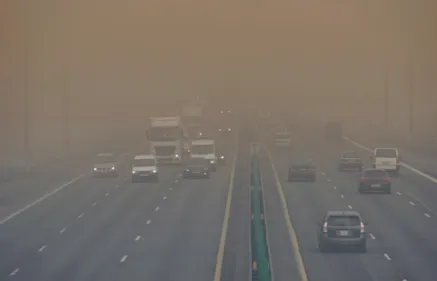
Title: Stay Safe from Smog Health Risks: Essential Protection Tips. Introduction: Hazy weather increases PM2.5 levels, posing respiratory risks. Wearing masks and avoiding outdoor activities can help protect health. Keywords: ['Environmental pollution', 'Respiratory health']. Main text: When the city is engulfed in a gray haze, accompanied by a faint, foreign odor, smog reemerges, threatening our health. As a nurse who interacts closely with patients every day, I aim to raise awareness about the true nature of smog—those invisible particles that pose risks to our respiratory system, cardiovascular health, and other organs. Understanding how to protect ourselves can create a solid barrier against these threats.
1. The "Invisible Harm" of Haze: It's Not Just the Lungs That Are Affected; the Whole Body May Be Impacted. Haze consists of a mixture of suspended particulate matter in the air (including PM2.5, PM10), nitrogen dioxide, sulfur dioxide, ozone, and other pollutants. Among these, PM2.5 is particularly harmful to human health. PM2.5 refers to particles with an aerodynamic diameter of 2.5 micrometers or smaller, known as fine particulate matter. These particles can remain airborne for extended periods, carrying toxic substances that can penetrate deep into the lungs and enter the bloodstream, substantially affecting health and air quality. They can bypass respiratory defenses and damage various bodily systems.
2. Respiratory System: The Primary "Disaster Zone." PM2.5 and other fine particulates can directly settle in the bronchi and alveoli, carrying heavy metals and pollutants that trigger inflammatory responses. In healthy individuals, this may produce symptoms like coughing, sore throat, and nasal congestion. For those with asthma, chronic bronchitis, or chronic obstructive pulmonary disease (COPD), it can worsen symptoms such as chest tightness and breathlessness. Research from Lanzhou University highlights that cold air or heatwave conditions can result in "cumulative harm" alongside PM2.5, further diminishing lung function and intensifying inflammation in COPD patients. Prolonged exposure increases the risk of respiratory disease and the likelihood of lung cancer.
3. Cardiovascular Diseases: A Latent "Health Killer." Hazy weather with elevated pollutant levels can impair normal blood circulation, raising blood pressure and causing chest discomfort. Research from Harvard University confirms that a 10 micrograms per cubic meter rise in PM2.5 concentration correlates with a 10% to 27% increase in mortality among heart disease patients. Such conditions can also trigger acute incidents, including angina, myocardial infarction, and cerebral hemorrhage.
4. Special Groups: The "Vulnerable Population" That Requires Greater Vigilance. Children: Air pollution can interfere with ultraviolet rays in the lower atmosphere, affecting vitamin D synthesis, reducing calcium absorption, and increasing the risk of rickets. It also suppresses immune function, rendering children more vulnerable to colds and infections. Pregnant women: Inhaling pollutants may hinder fetal development, leading to lower birth weight and increased risk of malformations. It can also exacerbate respiratory discomfort and emotional distress during pregnancy. Elderly individuals: Deteriorating respiratory and cardiopulmonary function diminishes the ability to eliminate pollutants, making haze likely to worsen chronic illnesses. Mental health impacts may also trigger illness.
5. Other Effects: Skin, Eyes, and Mental Health Are All Impacted. Particles can clog sebaceous and sweat glands, leading to dermatitis. If they contact the eyes, they may result in conjunctivitis, causing dryness and redness. Moreover, the subdued light and heavy air on smoggy days can intensify feelings of depression and mental fatigue, potentially leading to psychological depression.
II. Scientific Protection Guide: Safeguarding Health from the Outside In. In the face of smog, it's important to remain calm; targeted measures can significantly reduce harm. Keep this practical protection checklist in mind.
1. Reduce Exposure: The Fundamental Principle of Protection. Monitor the AQI (Air Quality Index). During severe haze (early morning and evening), avoid going outdoors, cancel running or outdoor activities, and limit outdoor exposure. Vulnerable groups—children, pregnant women, and those with heart and lung conditions—should remain indoors as much as possible, and if they must go outside, they should take maximum protective measures.
2. Correct Mask Use: Choosing the Right One and Wearing It Properly is Essential. Select the appropriate type: Opt for KN95/N95 masks or protective masks that meet GB/T32610-2016 standards on hazy days. Ensure a snug fit: When wearing a mask, fully cover the mouth and nose, pressing the nose clip against the bridge of the nose and face to eliminate gaps that could allow air leakage. Masks with breathing valves can enhance comfort.
3. Timely Replacement: Disposable masks (including KN95/N95) should not be used for more than 8 hours in total. Replace the mask immediately if it becomes wet or if breathing resistance increases significantly.
4. Purifying Indoor Spaces: Creating a "Safe Haven." On hazy days, keep doors and windows shut, only opening them for ventilation once air quality improves. Without purification equipment, indoor PM2.5 levels can reach 50% to 80% of outdoor levels. It is advisable to use an air purifier with a HEPA filter and replace the filter regularly.
5. Personal Hygiene: The "Three Steps" Upon Entering. Wash hands, face, and clean the nasal cavity immediately upon returning home. A saline solution can be used to rinse the nasal cavity to remove particles from the mucous membranes. Change outdoor clothing promptly to prevent spreading pollutants indoors.
6. Diet and Daily Routine: Strengthening the Body's Resistance. Drink plenty of water to keep respiratory mucous membranes moist, aiding in phlegm discharge. Maintain a light diet and avoid spicy and fatty foods to lessen the burden on the respiratory system. Increase intake of vitamin-rich and antioxidant foods (such as spinach, broccoli, oranges, blueberries, fish, and soy products) to enhance the body's resistance to damage. Ensure sufficient sleep to bolster immunity, which is essential for combating pollution.
7. Special Care for Key Populations: Patients with cardiovascular and pulmonary diseases should carry emergency medications (like asthma inhalers). If they experience chest tightness, shortness of breath, or palpitations, they should rest immediately and seek medical attention to adjust their treatment plan based on professional advice.
Parents should supervise children in correctly wearing masks and maintaining hygiene. Educational institutions should suspend outdoor activities on smoggy days.
Smog represents a significant public health challenge in modern society, and scientifically informed protections can help mitigate its harmful effects. I hope this informative article aids everyone in recognizing the dangers of smog and mastering effective protective strategies. Let us focus on the details, employing scientific protection to safeguard our health and ensure every breath is safe as we collectively enhance our physical and mental well-being.
References: 1. China Centers for Disease Control and Prevention, Environmental and Health-Related Product Safety Institute. Guidelines for Health Protection against Air Pollution (Smog) for the Population. 2. Li Ying. The Impact of Haze on Respiratory System Diseases [J]. World Latest Medical Information Abstracts, 2015, 15(29): 174. 3. Zeng Weisi, Meng Liu, Xiao Mengjia, et al. Research Progress on the Impact of Haze on the Respiratory System. Journal of Clinical Pulmonology, 2018, 23(10): 1898-1901. 4. Qi Jingchen. The Impact of Haze Weather on Human Health [J]. China Urban and Rural Enterprise Hygiene, 2017, 32(03): 43-47. DOI: 10.16286/j.1003-5052.2017.03.016. 5. Guo Y, Zeng H, Zheng R, et al. The association between lung cancer incidence and ambient air pollution in China: A spatiotemporal analysis. Environmental Research, 2016, 144(Pt A): 60-65. 6. Mehta M, Chen L C, Gordon T, et al. Particulate matter inhibits its DNA repair and enhances mutagenesis. Mutation Research, 2008, 657(2): 116-121. 7. Mahakalkar A U, Caiani E G, Stirparo G, et al. Short-Term Effect of Air Pollution on Out of Hospital Cardiac Arrest (OHCA) in Lombardy—A Case-Crossover Spatiotemporal Study. Global Challenges. 8. European Respiratory Journal. Research on pulmonary inflammatory response induced by haze particulate matter [J]. 2019. 9. Nature Medicine. Research on haze exposure and pulmonary oxidative stress, macrophage activation. 2020, 2021.
#respiratory health
#environmental pollution



© 2025 Health Tribe.