
Three Essential Strategies for Tuberculosis Prevention and Control
Mar 28, 2026

Author: [Author Name] Reviewer: [Reviewer Name] Curator: [Curator Name] Production/Organizational Information: [Organization Name] Title: Three Essential Strategies for Tuberculosis Prevention and Control Introduction: Tuberculosis remains a global health concern. Early detection, standardized medication, and healthy habits can improve prevention efforts. Keywords: ['Infectious Disease Prevention and Control', 'Public health'] Tuberculosis, an ancient infectious disease known as 'consumption,' is not merely a 'historical term' that has long since faded away. According to the World Health Organization's 'Global Tuberculosis Report 2025,' China still has around 700,000 new cases each year, making it one of the countries with a high burden of tuberculosis globally. The pathogen, Mycobacterium tuberculosis, can invade the lungs and multiple organs in the body, silently threatening health through airborne transmission. However, there is no need to panic; scientific prevention and control act like three 'golden keys' that can help us unlock the door to health protection and stay away from the disturbances caused by tuberculosis.
The First Key: Early Identification and Understanding of the Body's 'Warning Signals.' The tuberculosis pathogen, Mycobacterium tuberculosis, is adept at hiding, and its early symptoms can easily be confused with those of a common cold. However, the body has already issued warning signals. A cough that lasts for more than two weeks, sputum that is blood-stained or accompanied by coughing up blood are the most typical signs of pulmonary tuberculosis. This may also be accompanied by afternoon low-grade fever, night sweats, unexplained weight loss, fatigue, and other systemic symptoms. If any of these symptoms occur, do not delay; seek immediate attention at a designated tuberculosis medical facility for diagnosis through chest X-rays, sputum examinations, and nucleic acid tests. Tuberculosis that is detected early is easier to treat, has a high cure rate, and can help prevent transmission to others. It is important to be vigilant, as some infected individuals may not show obvious symptoms and can only be identified through abnormalities found during physical examinations. This is particularly true for key groups such as the elderly, diabetics, individuals with weakened immune systems, and close contacts. It is recommended that regular tuberculosis screenings be conducted annually for these individuals. Schools should strengthen health monitoring for both teachers and students, including morning health checks, tracking of absences due to illness, and health education.
The Second Key: Standard Treatment, Grasping the 'Core Password' for Healing. 'Standardized medication throughout the treatment process' is the key to curing tuberculosis and also addresses the fundamental risk of drug resistance. The treatment of tuberculosis must adhere to the principles of 'early, combined, appropriate, regular, and complete.' The standard course for ordinary pulmonary tuberculosis is 6-8 months, and even if symptoms improve, one cannot arbitrarily stop or reduce medication. Interrupting treatment without authorization can lead to a resurgence of tuberculosis bacteria and even the evolution of multidrug-resistant tuberculosis, with treatment costs skyrocketing by 20 times and the duration extending to 18-24 months, resulting in a significant drop in cure rates. As long as patients strictly follow medical advice and complete the full course of treatment, the vast majority can be cured, and contagiousness can be completely eliminated.
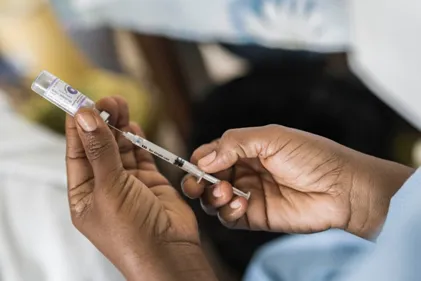
The Third Key: Scientific Prevention, Building a Strong 'Immunity Barrier' for the Community. Preventing tuberculosis requires not only safeguarding individuals but also collaboratively establishing a barrier for the community. This 'key' is hidden in the everyday details: Enhance immunity by maintaining a healthy lifestyle, such as a balanced diet, regular sleep schedules, and moderate exercise, to improve the body's resistance. Keep indoor ventilation by opening windows at least three times a day for a minimum of 30 minutes each time to maintain clean indoor air. Develop good hygiene habits by covering your mouth and nose with a tissue or your elbow when coughing or sneezing, avoiding spitting in public places, and tuberculosis patients should wear a mask when going out. Vaccination with the BCG vaccine for newborns can effectively prevent severe tuberculosis in children. Individuals with latent infections of high-risk groups and key populations for tuberculosis may easily develop the disease. Under the guidance of a doctor, preventive treatment can be conducted to reduce the risk of onset. In places with high population density, such as schools and nursing homes, health check-ups for new students and employees, as well as contact tracing, should be implemented to facilitate early detection and isolation, thereby interrupting the transmission chain. Although tuberculosis is stubborn, it is not invincible. By consistently applying the three 'golden keys' of early identification, standardized treatment, and scientific prevention, the vast majority of tuberculosis patients can recover. Together, we can safeguard respiratory health, effectively control tuberculosis, and ultimately end its epidemic.
#public health
#infectious disease prevention and control


© 2025 Health Tribe.