
Understanding Endometriosis: Protecting Women's Health Today
Mar 28, 2026
Correspondents: Lu Zhu, Chen Ziying. Review Expert: Chen Shuqin, Chief Physician, Doctor of Medicine, Doctoral Supervisor, Director of the Department of Gynecology at the Sixth Affiliated Hospital of Sun Yat-sen University, and Director of the Obstetrics and Gynecology Research and Teaching Office.
March 28, 2026, is World Endometriosis Day. Throughout a woman's life journey, issues such as pelvic pain, worsening menstrual cramps, and infertility may stem from a common gynecological condition known as "endometriosis." This condition affects the health of approximately 10% of women of reproductive age globally, yet it is often overlooked due to a lack of awareness.
What is endometriosis?
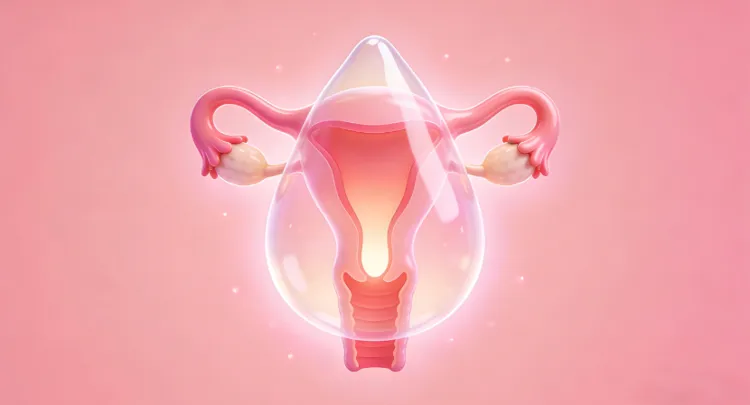
Endometriosis, abbreviated as "endo," refers to the condition where endometrial tissue, which normally grows inside the uterus, abnormally grows outside the uterine cavity, such as on the ovaries, uterosacral ligaments, pelvic peritoneum, and other locations.
These ectopic endometrial tissues are also influenced by estrogen in the body, leading to proliferation and bleeding during the menstrual cycle. However, unlike normal menstruation, they cannot be expelled from the body, resulting in dysmenorrhea, chronic pelvic pain, infertility, and potentially the formation of nodules or masses. In simple terms, the endometrial tissue has "moved" to places where it shouldn’t be, causing a series of uncomfortable symptoms.
What are the signs of endometriosis?
The symptoms of endometriosis are related to the location and extent of the lesions, and there is a characteristic of "disproportion between symptoms and the severity of the condition." Some patients may have severe lesions but show no symptoms, while others with only mild lesions may experience intense pain. The core signals mainly fall into four categories:
Progressively worsening secondary dysmenorrhea: This is the most typical symptom, with pain often occurring 1 to 2 days before menstruation, peaking on the first day of the menstrual period. The pain may radiate to the lower back, perineum, or even thighs, and tends to intensify year by year as the condition progresses.
Infertility: Endometriosis can alter the pelvic microenvironment, affect ovarian function, and impede the union of sperm and eggs, making it one of the main causes of infertility in women of childbearing age.
Sexual discomfort and pelvic pain: This is characterized by deep dyspareunia, which is particularly pronounced before menstruation. Some patients may also experience persistent chronic pelvic pain.
Menstrual irregularities: These may be accompanied by increased menstrual flow, prolonged periods, and premenstrual spotting. Long-term abnormal bleeding may also lead to anemia.
Additionally, if ectopic lesions invade the intestines or bladder, symptoms such as blood in stools, frequent urination, and urinary pain may occur. When an ovarian endometriotic cyst ruptures, it can cause sudden and severe lower abdominal pain, requiring urgent medical attention.
How to diagnose endometriosis?
The diagnosis of endometriosis requires a comprehensive assessment that combines symptoms, gynecological examination, and auxiliary tests. Common examinations include pelvic ultrasound, serum CA125 measurement, and laparoscopy, with laparoscopy being the "gold standard" for diagnosis. It not only confirms the diagnosis but also allows for direct removal of the lesions.
How to prevent endometriosis?
Although the exact causes of endometriosis are not yet fully understood, research has found that it is closely related to hormone levels and lifestyle habits. Whether it is after diagnosis or for prevention, the following things must be done well:
During your period, keep warm and avoid factors that may lead to retrograde menstruation.
During your menstrual period, avoid excessive cooling. Stay away from ice-cold drinks and raw foods, do not take cold baths, and avoid sitting on cold surfaces to prevent pelvic blood vessels from constricting and causing obstruction of menstrual flow. Additionally, steer clear of intense exercises such as running and swimming, and refrain from pelvic massages to prevent menstrual blood from flowing backward and to avoid the risk of endometriosis.
Control weight and stabilize hormones in the body.
Obesity can disrupt estrogen metabolism, continuously stimulate the proliferation of ectopic endometrial tissue, and worsen discomfort such as dysmenorrhea and pelvic pain. It is advisable to eat more fruits and vegetables along with high-quality proteins, while reducing the intake of sugary, fatty, and heavily flavored foods. Additionally, it is important to avoid supplements that contain exogenous hormones. Engaging in moderate exercises like brisk walking or yoga 3 to 4 times a week can help maintain a healthy weight.
Regular health check-ups and screenings.
Don't endure worsening dysmenorrhea and chronic pelvic pain. It's important to get a gynecological ultrasound examination in a timely manner. High-risk groups with a family history should regularly undergo screenings. Early detection and early intervention can help mitigate risks from the outset.
Common Misconceptions about Endometriosis
Myth 1: Menstrual pain is a normal phenomenon; just endure it.
The progressive dysmenorrhea caused by endometriosis is a signal of illness, not a normal physiological manifestation. Enduring pain for an extended period can lead to a delay in treatment.
Misconception 2: Endometriosis will heal after giving birth.
After pregnancy, the increase in pregnancy hormones will suppress the growth of ectopic endometrium, temporarily alleviating the symptoms, but it does not cure the condition. After menstruation resumes, the illness may relapse, and long-term management is still necessary.
Misconception 3: Endometriosis can only be treated with surgery.
Mild patients or those with fertility needs can alleviate symptoms and manage their condition with medication, and not everyone requires surgery.
Myth 4: Women with endometriosis cannot conceive.
Although endometriosis affects fertility, after standardized treatment, most patients can conceive naturally or achieve their reproductive wishes through assisted reproductive technology.
From being overlooked to gaining attention, the awareness journey of endometriosis continues. It is not a "fate" for women, nor is it an insurmountable challenge—early detection, prompt diagnosis, scientific treatment, and long-term management can help the vast majority of patients overcome pain and safeguard their hope for fertility.
#women's health
#health education


© 2025 Health Tribe.