
Urban health leaders pledge to enhance life-saving actions in cities
Apr 02, 2026
As noncommunicable diseases and injuries continue to account for more than 80% of deaths worldwide, global urban health experts concluded the 2026 Partnership for Healthy Cities Summit in Rio de Janeiro this week with a renewed commitment to accelerate life-saving actions in urban environments.
Co-hosted by the World Health Organization, Bloomberg Philanthropies, Vital Strategies, and the Municipal Health Secretariat of Rio de Janeiro, the Summit brought together health officials, urban planners, and experts from 55 cities. Participants shared proven, scalable solutions that are already improving public health outcomes.
With over half of the world’s population currently residing in urban areas, city leaders have a unique opportunity to implement bold, evidence-based policies that mitigate health risks and save lives. Noncommunicable diseases such as heart disease, cancer, chronic respiratory diseases, and diabetes remain the leading causes of mortality globally, while injuries, including those resulting from traffic accidents, continue to claim millions of lives every year.
During the Summit, it was announced that Baltimore, in the United States, will join the Partnership. The city will focus on overdose prevention, adding new momentum to the network’s evolving priority currently being addressed by 11 cities worldwide.
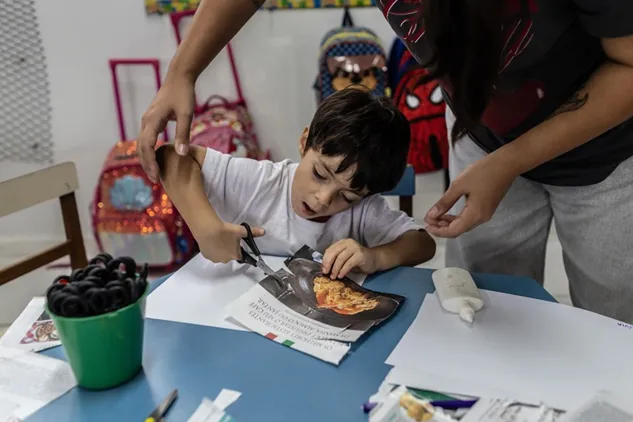
Throughout the Summit, participants directly engaged with public health initiatives in Rio de Janeiro, visiting schools and health clinics—demonstrating how cities can translate global commitments into tangible impacts in the real world.
Key initiatives showcased included:
Building on the momentum from previous Summits held in London, Cape Town, and Paris, cities within the network continue to implement transformative policies.
Together, these efforts reinforce a vital global lesson: when cities act decisively, health outcomes can improve swiftly and on a large scale.
#public health
#urban policy

© 2025 Health Tribe.