
Causes of Post Meal Sleepiness and Solutions to Combat It
Apr 05, 2026
Author: Unknown, Reviewer: Unknown, Curator: Unknown, Production/Organizational Information: Unknown
Causes of Post Meal Sleepiness and Solutions to Combat It
Afternoon drowsiness is linked to digestion and blood sugar. Solutions include dietary changes and post-meal activities.
Many people feel drowsy after lunch, often referred to as "if you don't take a nap at noon, you'll collapse in the afternoon." However, some people wonder, "Why have I never felt drowsy after a meal?" Additionally, many report feeling sleepy on weekday afternoons but energetic on weekends.
Indeed, reactions to afternoon drowsiness vary widely among individuals. This drowsiness is related not only to work fatigue but also to one's digestive capabilities and blood sugar response. Generally, if blood sugar levels are consistently high, individuals tend to feel sleepier. Conversely, those who feel energetic for hours after eating often possess good health, effective digestion, and efficient metabolism.
Some people become drowsy shortly after meals; these individuals may digest well but have diminished blood sugar regulation, causing slight peaks in blood sugar. Nevertheless, a brief nap usually rejuvenates them.
Others do not feel sleepy immediately after eating; rather, drowsiness sets in around two o'clock, likely due to slower digestion and relatively high blood sugar levels two hours after a meal.
Additionally, some individuals may feel hungry after waking from a nap, despite having a substantial lunch. However, if they resist snacking, their appetite tends to diminish over time.
This phenomenon may be linked to higher insulin secretion during sleep, which results in blood sugar levels dropping below pre-meal levels after awakening, followed by a slight rebound that reduces the desire to eat.
For those with strong digestive systems, several strategies may be beneficial:
Choose whole grains instead of white rice and white flour products at lunch to moderate blood sugar spikes.
Consider rearranging meal order: start with half a bowl of vegetables, then consume a small portion of meat, followed by the remaining vegetables and meat with your staple food. This tactic will help stabilize blood sugar levels post-meal.
After eating, avoid sitting and using your phone or lying down right away. Instead, take a relaxed 20-minute walk to reduce blood sugar spikes and minimize drowsiness.
Another potential solution is to take a 20-minute nap before lunch and wake up to eat. Afterwards, engage in light activities to avoid needing another nap.
For those with weaker digestion or lower physical fitness, walking after meals may slow digestion, leading to a drop in blood sugar levels but making energy levels drop by two or three o'clock.
In this case, consider increasing protein intake in lunch while reducing staple foods. Around 4 PM, add a small snack to balance out any shortfall from lunch.
Everyone's situation is unique, so it's essential to try different methods to discover what works best for you.
Why is it harder to feel drowsy after lunch on rest days? Typically, avoiding fatigue and getting more rest enhances the body's digestive capability and blood sugar response.
A short nap after lunch can help alleviate the effects of insufficient nighttime sleep and relieve fatigue accumulated from morning work, benefiting blood sugar responses throughout the day.
How long is a suitable nap?
On weekdays, aim for a nap of twenty to thirty minutes, which is sufficient for individuals in normal health to experience positive effects.
Epidemiological studies have shown that excessive napping exceeding one hour is linked to an increased risk of various chronic diseases in the long term.
This doesn't imply that napping itself is harmful; rather, if one sleeps for half an hour and still feels fatigued or needs a deep sleep of one to two hours, it may indicate an underlying health issue.
Possible reasons include chronic illness, extreme fatigue, the need for internal repair, or low energy levels, and it's advisable to address the body's needs whenever possible.
If this fatigue occurs sporadically, the body may need to concentrate energy on critical tasks, such as fighting off a virus.
From personal experience, I've found that when sudden heaviness and drowsiness arise, akin to catching the flu, lying down for one to two hours typically restores my body.
This occurs as the body battles a virus, signaling a need to halt all activities and dedicate energy and resources to the immune system. If adequate rest isn't taken, the immune system may falter, resulting in prolonged illness that isn’t worth the risk.
Another reason for feeling tired after an afternoon nap despite oversleeping is insufficient nutrition.
When the body remains undernourished, it seeks ways to conserve energy, leading to increased daytime drowsiness to minimize energy expenditure. For instance, individuals who frequently restrict their diets tend to feel more fatigued.
This type of drowsiness is one of the easiest to remedy: simply eating a bit more can decrease sleepiness.
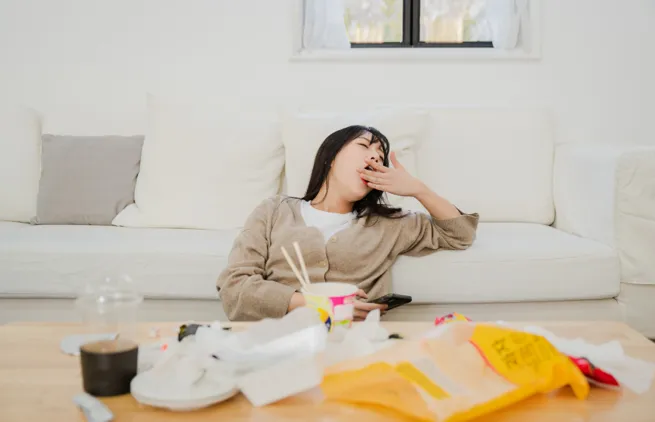
The cover image of this article is sourced from a copyright stock library.
Reposting may result in copyright disputes.
#health
#nutrition



© 2025 Health Tribe.