
What is the link between getting wet and fever symptoms
Feb 03, 2026
Author: Not specified. Reviewer: Not specified. Curator: Not specified. Production/Organizational Information: Not specified.
Recently, a 69-year-old woman was admitted to our department. After working in the rice fields, she suddenly developed a fever and felt weak all over. Initially, we thought she was just tired, but her temperature soared to 39°C, and she began to shiver and feel cold. By the time she was taken to the hospital, her condition had already worsened — she had lung infections, low blood pressure, and her platelet count was only one-tenth of that of a normal person. She was ultimately diagnosed with leptospirosis.
What is "Leptospirosis"?
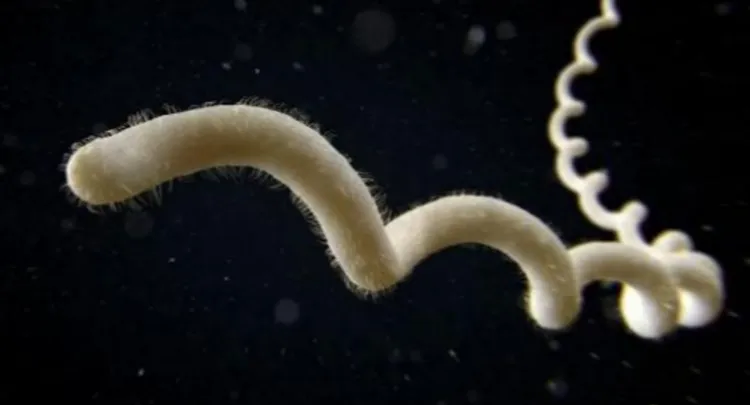
In simple terms, it is an infectious disease caused by bacteria known as leptospires.
This bacteria particularly thrives in humid environments and often resides in:
The urine of rodents, pigs, and cattle.
Rice fields, ditches, and soil contaminated by the urine of these animals.
Damp grass or crops.
Who is likely to be affected by it?
- Farmers.
- Individuals who frequently enter bodies of water to fish or clean ditches.
- Sanitation workers, miners.
- Outdoor enthusiasts who enjoy camping and hiking.
The summer and autumn seasons, especially during periods of heavy rainfall, are considered the "active season" for this disease, and everyone should exercise special caution.
Three, the body will exhibit these signals following infection.
(1) Early stage (which may be mistaken for a common cold).
Symptoms include fever and chills.
- Headache and body aches (particularly in the calves).
A sense of weakness, nausea, and loss of appetite.
- Redness in the eyes (similar to that of a rabbit suffering from lack of sleep).
If the illness persists for too long, it may lead to serious complications.
Such complications can include coughing up blood and difficulty breathing.
- Jaundice and reduced urination.
- In severe cases, coma and shock.
The aunt in the hospital rapidly progressed from "dizziness and fatigue" to "pneumonia and septic shock," thus highlighting the importance of early identification.
Four, remember these tips to work in the fields with confidence.
Wear "protective gear."
Before entering contaminated fields, wear knee-high rubber boots and gloves to avoid direct skin contact with sewage.
Do not enter the water if you have any skin injuries.
If there are any cuts or abrasions on your hands or feet, ensure they are properly bandaged, and avoid contact with field water until the injuries have healed.
Wash up immediately after working.
After finishing work, promptly wash your hands and feet with running water and soap, paying particular attention to the areas between your fingers and toes.
Maintaining environmental hygiene is crucial.
Clear weeds and standing water around your house to minimize places where rodents can hide.
If you feel unwell, seek medical attention promptly.
If you experience symptoms such as fever, fatigue, red eyes, and leg pain within a few days following exposure to field water or sewage, do not hesitate. Go to the hospital as soon as possible and inform the doctor, "I have been in the fields/contacted sewage."
Can it be treated?
Don't worry, it is treatable!
As long as you seek medical attention promptly, use appropriate antibiotics (such as penicillin), and ensure sufficient rest and supportive care, the vast majority of individuals can recover. This is similar to the woman we admitted to our department, who is showing gradual improvement after receiving active treatment.
#infectious diseases
#health education



© 2025 Health Tribe.