
Understanding Left Eye and Right Eye Twitches: Myths and Facts
Feb 07, 2026
Author: Wang Chunhui, Reviewer: Unknown, Curator: Unknown, Production/Organizational Information: Unknown
Title: Understanding Left Eye and Right Eye Twitches: Myths and Facts
Introduction: Eyelid twitching, often seen as an omen, is usually harmless but may signal fatigue or stress; see an ophthalmologist if persistent.
The phrase 'Left eye twitches for wealth, right eye twitches for disaster' is something that many have heard. Many people, upon waking up in the morning or suddenly noticing persistent eyelid twitching, instinctively wonder whether it means 'left eye twitching for wealth' or 'right eye twitching for disaster.' It seems as though the eyelid has become a harbinger of fate. However, science tells us that this is simply a small health signal from the body and has no relation to fortune or misfortune.
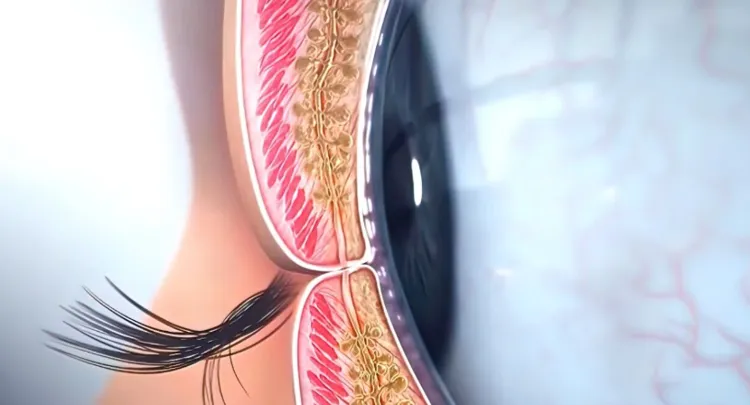
The eyelid is referred to as 'palpebra' in medical terminology, and its twitching is professionally known as 'eyelid spasm.' This typically occurs due to involuntary contractions of the orbicularis oculi muscle under neurological control. Imagine it like how the muscles in your leg might suddenly twitch from time to time; the eyelid muscles can also occasionally act 'playful.'
So, why do eyelids suddenly 'dance'? The most common reasons are actually quite ordinary: fatigue and stress. In our fast-paced modern society, prolonged periods of staring at computer screens, working overtime, lack of sleep, and feelings of tension and anxiety can cause the muscles around the eyes to become overly strained. Just as your legs might cramp after running for a long time, the overworked muscles in your eyes can also 'protest.' In addition to fatigue, excessive intake of caffeine and alcohol may also lead to eyelid twitching. The caffeine found in coffee, strong tea, and energy drinks can stimulate the nervous system, making the muscles more prone to involuntary contractions. Some sensitive individuals may even experience eyelid twitching just a few hours after consuming a cup of coffee.
In addition, inflammatory ocular diseases, such as conjunctivitis, blepharitis, dry eye syndrome, and trichiasis, are also common causes. Furthermore, eye fatigue and vision issues may trigger eyelid twitching. If you find yourself needing to squint to see clearly, the ocular muscles remain in a state of tension, which can lead to spasms over time. Many people notice that their eyelid twitching subsides naturally after getting new glasses or adjusting their prescription. In rare cases, persistent eyelid twitching may signal certain neurological disorders, such as Meige syndrome, cerebral hemorrhage, or cerebral infarction. If a child experiences frequent eyelid spasms, it is necessary to rule out eye diseases during an ophthalmologic examination and also differentiate it from pediatric tic disorders. However, if the twitching occurs occasionally and lasts for a short duration, there is usually no need for excessive concern. Generally, eyelid twitching caused by lack of rest, excessive eye strain, or anxiety tends to resolve on its own. Maintaining a positive mood, getting adequate rest, applying warm compresses to the eyes, and ensuring proper nutrition can all help alleviate the symptoms. Of course, if the twitching lasts for more than three days without relief, it is advisable to see an ophthalmologist promptly.
Next time you feel your eyelid twitching, there's no need to rush to check whether it's the left or the right or to speculate on its omen. Instead, consider it a gentle reminder from your body: it's time to take a break, your eyes need relaxation, and your body needs care. Science has revealed the truth about eyelid twitching—it is not a forewarning of fate, but a reminder of health. Many proverbs in Chinese culture reflect the wisdom of our ancestors in observing nature, yet times change. Today, we have a more scientific way of understanding things. By letting go of the obsession with 'eyelid twitches as omens,' we can instead focus more on our current work, life, and health, and that is where true good fortune lies.
References:
Chen Xi, Yang Wei, Li Danyu, et al. Research Progress on the Pathogenesis and Treatment of Idiopathic Eyelid Spasm. International Journal of Ophthalmology, 2025, 25(7): 1105-1110.
Wang Xixi, Wan Xinhua. Research Progress on Blepharospasm. Journal of Neuroimmunology and Neurology, September 2022, Volume 29, Issue 5.
The Chinese Medical Association Ophthalmology Branch Neuro-ophthalmology Group and the Neuro-ophthalmology Professional Committee of the Chinese Research Hospital Association. Expert Consensus on the Diagnosis and Treatment of Meige Syndrome in China (2025) [J]. Chinese Journal of Retina and Vitreous, 2025, 41(06): 418-427. DOI: 10.3760/cma.j.cn511434-20250414-00169.
Expert Profile
Wang Chunhui, attending physician, graduated with a master's degree from the Ophthalmology Department of West China Hospital and has been engaged in clinical work for 10 years. He underwent three years of standardized training in the Ophthalmology Department of the Capital Medical University Affiliated Friendship Hospital. He is skilled in the diagnosis and treatment of various conditions, including myopia prevention and control in adolescents and children, cataracts, corneal diseases, glaucoma, and retinal diseases such as macular diseases, retinal vascular diseases, diabetic retinopathy, and optic nerve diseases. He has extensive clinical experience in cataract phacoemulsification with intraocular lens implantation, performing YAG laser iridotomy using anterior segment laser, posterior capsulotomy for secondary cataract, and laser treatment for retinal diseases. He has published several academic articles and co-authored one monograph.
#eye health
#lifestyle habits


© 2025 Health Tribe.