
How to improve cardiovascular health with exercise snacks
Feb 08, 2026
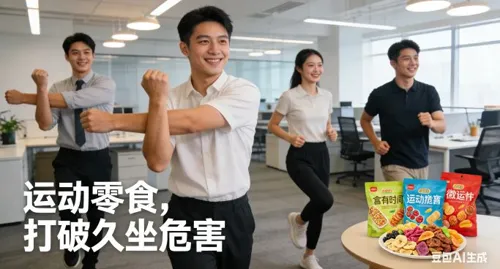
Author: [Not provided], Reviewer: [Not provided], Curator: [Not provided], Production/Organizational Information: [Not provided]. Title: How to improve cardiovascular health with exercise snacks Introduction: "Exercise snacking" offers short, high-intensity workouts to enhance fitness, fitting into busy lifestyles and combating prolonged sitting. Keywords: ['exercise', 'health'] Main text: In the fast-paced modern life, the notion of "not having time to exercise" has become a significant barrier for many in maintaining their health. However, the latest concepts in exercise science have brought forth a revolutionary solution: breaking down physical activity into smaller segments, akin to snacking, by utilizing fragmented time throughout the day for short, frequent bursts of exercise. This approach, referred to as "exercise snacking," is gaining widespread attention from both researchers and the public due to its high flexibility and notable health benefits, particularly in improving cardiovascular function. It breaks away from the traditional reliance on prolonged continuous exercise, seamlessly integrating health promotion into daily life and opening up an accessible avenue for busy urban dwellers to engage in scientific fitness.
1. Scientific Definition: What is an efficient “snack”? "Exercise snacks" are not just random activities; they refer to bursts of exercise lasting from 20 seconds to 2 minutes at moderate to high intensity, such as sprinting up stairs or performing high knees quickly. The core principle lies in the brief but intense load that rapidly increases heart rate and breathing depth, effectively stimulating the cardiovascular system. Chinese general medicine indicates that this short-duration, high-frequency model can enhance maximum oxygen uptake comparably to traditional continuous exercise. Small Investments, Multidimensional Returns Although "snacks" may seem small, they offer significant benefits. First, they directly help forge a stronger heart and lungs. Secondly, their metabolic benefits are notable; domestic research shows that engaging in brief activities after meals can effectively stabilize blood sugar fluctuations. Additionally, they are perfect for countering the dangers of prolonged sitting, which the World Health Organization has clearly identified as an independent health risk. Standing up to "snack" every half hour can promote circulation and relieve stiffness. Moreover, they can quickly uplift mood and gradually increase calorie expenditure. How to safely and deliciously "add a meal"? The key to practicing "exercise snacks" lies in choosing the right movements and ensuring sufficient intensity. Recommended exercises include jumping jacks, quickly climbing 2-3 flights of stairs, and sprinting in place, all of which require no equipment. The intensity should be enough to noticeably elevate your heart rate and cause rapid breathing. It’s suggested to insert 1-2 minutes of these exercises every hour or accumulate 6-10 repetitions daily. Safety comes first, so do a brief warm-up before exercising, and beginners should progress gradually. Those with underlying health conditions should consult a doctor for advice first. Conclusion The concept of "sport snacks" has reshaped our understanding of exercise, emphasizing that health does not have to depend on dedicated time slots or specific locations. It encourages us to make use of every moment in our daily lives—whether waiting for water to boil, during commercial breaks, or during short work breaks—making brief yet effective investments in our health. Starting today, try taking the stairs instead of the elevator, or do a set of jumping jacks after sitting for a long time. Each small effort accumulates, building a stronger cardiovascular defense and a more vibrant state of life. Data support sources: The overview related to "General Practice in China" elaborates on the impact of short-term high-frequency exercise on cardiopulmonary function. 2. Reports by domestic scholars on the impact of short-term activities after meals on blood sugar levels. 3. World Health Organization Guidelines on Physical Activity and Sedentary Behavior (2020). 4. Fragmented fitness science popularization materials promoted by institutions such as Beijing Sport University.
#health
#exercise

© 2025 Health Tribe.