
What are the dangers of consuming beer fish? Expert advice
Feb 16, 2026
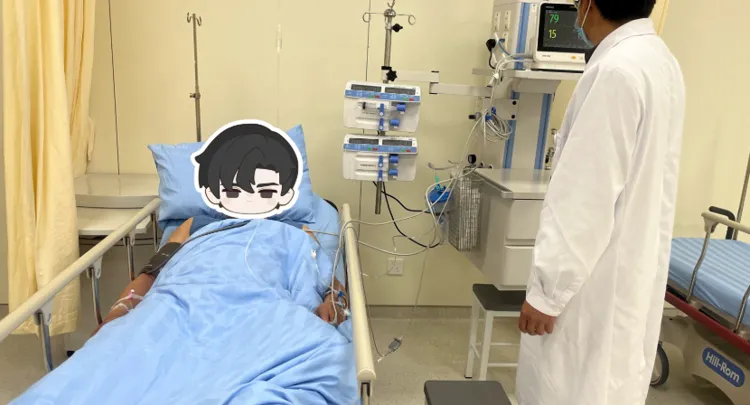
Author: Li Sula, Head Nurse of the Emergency Department at the First Affiliated Hospital of Wenzhou Medical University. A medical incident highlights dangers of mixing cephalosporin antibiotics with alcohol, urging caution during gatherings. Keywords: ['Health knowledge', 'Drug safety'] Recently, Mr. Li had a respiratory infection and felt better after taking cephalosporin for three days, so he stopped the medication. On the evening of the fourth day, his family prepared a delicious beer fish dish. He thought, "It's been a day since I stopped the medication; a few bites should be fine." Unexpectedly, half an hour later, his face turned red, his heart raced, and he was hit by a severe headache. He was urgently taken to the hospital and diagnosed with a "disulfiram-like reaction." The doctor sternly told him, "You are gambling with your life." During the Spring Festival, gathering and drinking is a traditional custom. Winter is a peak season for respiratory diseases, so if you are taking or injecting cephalosporins, you need to be cautious!
The fatal principle: Why is it so dangerous for cephalosporins to encounter alcohol? Many people are aware of the saying “don’t drink alcohol while taking medication,” but they have only a vague understanding of the scientific principles behind it. This involves discussing the process of how the body metabolizes alcohol. Under normal circumstances, after consuming alcohol, ethanol is converted into acetaldehyde in the body through the action of alcohol dehydrogenase. It is then rapidly metabolized into harmless acetic acid by acetaldehyde dehydrogenase, and finally expelled from the body. Acetaldehyde is a toxic substance that can cause symptoms such as vasodilation (leading to flushing and palpitations), headache, and nausea. The specific chemical structure found in cephalosporin drugs—methylthiazole side chain—strongly inhibits the activity of acetaldehyde dehydrogenase. When this enzyme is inhibited, acetaldehyde accumulates in the body in large quantities, with concentrations reaching 4 to 5 times that of normal metabolism, leading to a series of toxic reactions, clinically known as "disulfiram-like reactions." This reaction is named after a medication for alcoholism called disulfiram, which deliberately inhibits acetaldehyde dehydrogenase, causing drinkers to experience severe discomfort, thereby achieving the goal of abstaining from alcohol. Drinking alcohol after taking cephalosporins is akin to unintentionally using a "anti-alcoholism drug" on oneself. How long after stopping medication is it safe during the danger window? Many people think that "once you stop taking medication, it's fine to drink," which is the biggest misconception. They are unaware that the effects of the medication can last for quite a long time.
#health knowledge
#drug safety



© 2025 Health Tribe.