
What hidden lead hazards lurk in your kitchen cookware?
Feb 16, 2026
Author: Health Department Reviewer: Medical Professionals Curator: Health Safety Team Production/Organizational Information: Local Health Authority Title: What hidden lead hazards lurk in your kitchen cookware?
Recently, our department admitted a patient named Mr. Pan. He has been experiencing dull abdominal pain and difficulty with bowel movements for a month, along with nausea, bloating, and a poor appetite. Strangely, despite having undergone a comprehensive examination, taken medication, and had polyps removed from his intestine, his symptoms have not improved.
When routine examinations could not provide an explanation, the doctor decided to check his blood lead levels — the result was alarmingly high at 825 μg/L, which is more than eight times the normal value! His wife also exhibited similar symptoms, and her blood lead levels were similarly elevated.
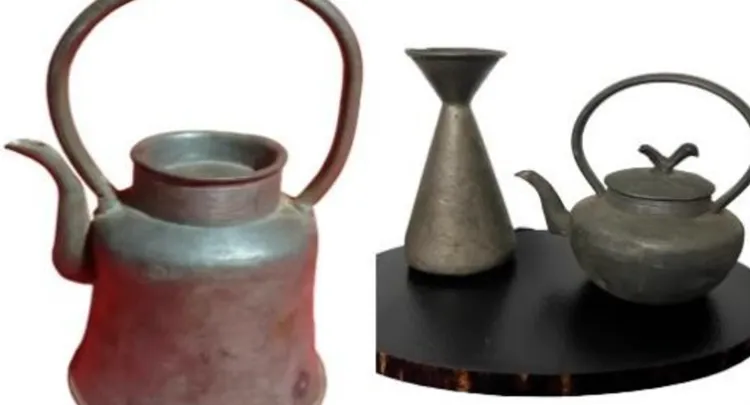
Upon closer inquiry, I learned that the Pan family's heirloom tin jug is specifically used for holding yellow wine. The couple enjoys adding a spoonful of wine while cooking to enhance the flavor.
Many so-called old tin pots actually have high lead content. When they come into contact with acidic liquids like wine or vinegar, or when used for high-temperature cooking, lead can leach out and enter the human body through food. Once ingested, it metabolizes very slowly and can accumulate in the bones and liver, continuously harming health. The elevated blood lead levels in Mr. Pan and his wife are attributed to this ancestral tin pot.
After a period of treatment, Mr. Pan and his wife's blood lead levels have decreased, and their abdominal pain has resolved. That tin pot is now stored away in the corner, no longer used for food.
Symptoms of lead poisoning are easily overlooked, as the initial signs are very similar to those of common gastrointestinal disorders:
1. Dull abdominal pain (especially around the navel) and constipation (which persists despite gastrointestinal treatment).
2. Pale complexion, fatigue, and difficulty concentrating.
3. Decreased appetite, nausea, and abdominal bloating.
4. A gray-blue fine line may appear at the root of the fingernail, known as a 'lead line.'
Three reminders:
1. Discontinue using old metal containers to store food, especially acidic liquids such as wine and vinegar.
2. Opt for glass, stainless steel, or approved ceramic vessels.
3. If you or a family member experiences unexplained abdominal pain, constipation, or anemia with unsatisfactory treatment outcomes, consider any relevant exposure history and inform healthcare personnel. A blood test can be performed to check for lead levels.
#health
#safety



© 2025 Health Tribe.