
Why Do You Feel Bloated After New Year Feasts and How to Alleviate It
Feb 21, 2026
Author: Wang Xuejiang, Professor at Capital Medical University. Review Expert: Wang Xuejiang, Professor at Capital Medical University. Curator: Beijing Science Center.
Why Do You Feel Bloated After New Year Feasts and How to Alleviate It
The Spring Festival prompts family reunions and feasting, but overeating may cause bloating. This article outlines causes and remedies.
The Year of the Horse has arrived, and the festivities are in full swing. The Beijing Science Center has launched a new series titled "Decoding the Flavor of the Year." From the journey home during the Spring Festival travel rush to the warmth of the kitchen, and from the meals on our dining tables to the customs at our fingertips, we will use the key of science to interpret the interesting codes hidden within the festive life. Let's come together to decode the New Year and experience the warmth and wonder found in the rationality of all things.
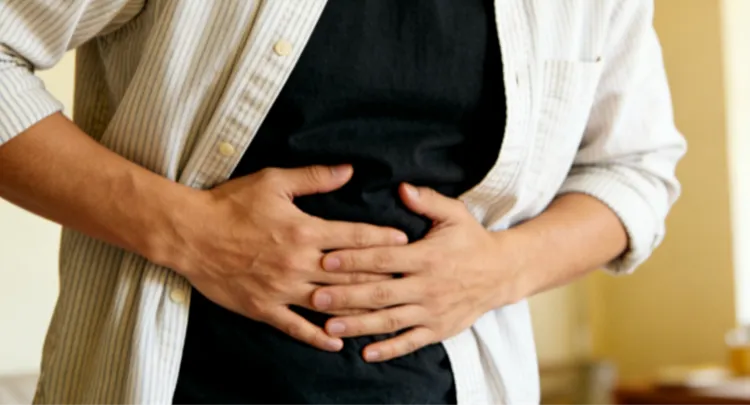
Many people have experienced this: after eating only a little, they feel bloated and uncomfortable; sometimes, even just drinking water can lead to a sense of abdominal distension, making it hard to sit or lie down comfortably. What exactly is the source of this common issue of gastric bloating?
The gas in the stomach comes from several sources. Primarily, it is produced during the digestion process when food is broken down by stomach acids and enzymes. Additionally, gas can enter the stomach from swallowing air while eating or drinking, a process known as aerophagia. Certain foods and beverages, especially carbonated drinks, can also contribute to the production of gas. Furthermore, bacteria in the intestines play a role in fermentation, generating gas as a byproduct.
Bloating, medically known as abdominal distension, is not an independent disease but rather a symptom triggered by various factors. To effectively address it, it is essential to understand the sources of these gases.
Swallowing too much air.
Some everyday habits, such as talking while eating, drinking carbonated beverages, chewing gum, and eating too quickly, can cause extra air to enter the digestive tract during swallowing. Part of this gas is released as belching, while the rest moves down into the intestines.
Food intestinal fermentation.
Some food components are not fully digested and absorbed in the small intestine. Once they reach the colon, they are fermented by gut microbiota, producing gases such as hydrogen and methane. Foods rich in dietary fiber, such as legumes, tubers, and cruciferous vegetables, as well as dairy products, tend to produce a significant amount of gas during this process.
Insufficient gastrointestinal motility.
When gastrointestinal motility slows down, the efficiency of gas expulsion is reduced, making it easy for gas to accumulate in the digestive tract. Long-term mental stress, a sedentary lifestyle, and certain functional gastrointestinal diseases are often associated with this condition.
Frequent bloating does it mean gastritis?
Occasional bloating related to a specific diet is largely a functional phenomenon. However, if bloating occurs repeatedly over a long period and is accompanied by symptoms such as stomach pain, heartburn, acid reflux, early satiety, and nausea, it may be necessary to consider the possibility of chronic gastritis or functional dyspepsia.
There is no need to be overly anxious if you experience abdominal bloating. You should observe whether it is persistent and severe, and whether it is accompanied by unexplained significant weight loss, anemia, fatigue, black stools or blood in the stool, persistent vomiting, palpable abdominal masses, or waking up at night due to abdominal pain. If any of these symptoms occur, you should seek medical attention promptly.
How to effectively relieve bloating?
Adjust eating habits.
Focus on eating, chew thoroughly, and chew each bite of food 20 to 30 times. Avoid talking during meals. Minimize air swallowing behaviors, try not to use straws, reduce chewing gum, and avoid consuming excessively hot beverages, as blowing on them to cool down may increase air swallowing. After meals, engage in some light activity, such as walking for 15 to 20 minutes, and avoid sitting or lying down immediately afterward.
Try physical relief methods.
Massage the abdomen in a clockwise direction, slowly making circles around the navel with the palm of your hand to promote intestinal peristalsis. Alternatively, you can try the fetal position yoga pose, which aids in gas release. You can also use a warm towel or a hot water bag on the abdomen to relax the muscles and relieve spasms.
Managing Stress and Emotions.
Long-term mental stress and anxiety can influence gastrointestinal function through the "brain-gut axis," leading to or exacerbating bloating. Ensuring sufficient sleep and engaging in relaxation practices such as meditation and deep breathing can significantly help improve functional gastrointestinal discomfort.
Bloating is a common signal from the body, and in most cases, it can be significantly improved by adjusting dietary and lifestyle habits. The key is to carefully observe your own reactions, reduce swallowing air, identify and adjust sensitive foods, and maintain normal gastrointestinal motility.
If the symptoms persist, impact daily life, or if any of the aforementioned warning signs appear, it is essential to seek a professional evaluation from a gastroenterologist promptly for targeted examination and treatment. A scientific diagnosis is far more effective in addressing issues than self-speculation.
#health
#digestion


© 2025 Health Tribe.