
Protect Your Heart This Spring Festival for a Safe New Year
Feb 23, 2026
Title: Protect Your Heart This Spring Festival for a Safe New Year
Introduction: During the Spring Festival, cardiovascular issues spike; understanding health measures ensures a safe and joyful celebration.
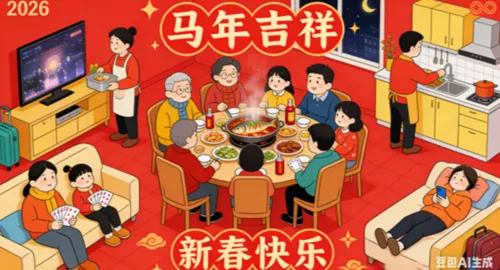
The Spring Festival is a joyous occasion for family reunions and bidding farewell to the old while welcoming the new. However, amidst the cheerful and harmonious atmosphere, there often lurks an "invisible crisis" concerning cardiovascular health.
Data shows that during the Spring Festival, the number of emergency cases related to cardiovascular and cerebrovascular diseases significantly increases compared to regular days. Conditions such as hypertensive emergencies, acute myocardial infarction, and strokes become the leading health threats during the holiday. Mastering scientific protective knowledge is key to safeguarding heart health during the holidays, ensuring peace of mind during family reunions and keeping health consistently online.
Spring Festival "Heart Protection" Guide - Remember the "Life-Saving" Key Points
If someone around you shows the following signs of cardiovascular and cerebrovascular diseases, immediate action should be taken:
1. Discomfort in the chest.
Chest discomfort is one of the common warning signs of cardiovascular and cerebrovascular diseases, manifesting in various forms. On one hand, patients may experience a squeezing sensation or a feeling of pressure behind the sternum, often accompanied by significant anxiety. This discomfort can last from 3 to 5 minutes and may radiate to the left shoulder, the inner side of the left arm, extending all the way to the ring finger.
The pain is often described as squeezing, constricting, a feeling of tightness, or burning. Symptoms usually relieve during rest or after taking nitroglycerin, which is often indicative of angina pectoris.
If chest pain persists for more than 15 minutes and is accompanied by symptoms such as profuse sweating and difficulty breathing, this is very likely an emergency signal of a myocardial infarction, and one must be highly alert.
Abnormal breathing.
If you experience symptoms such as chest tightness, shortness of breath, and wheezing without engaging in vigorous exercise, and if you wake up at night feeling suffocated and need to sit up for relief, it is likely a sign of heart failure.
3. General symptoms.
Cardiovascular and cerebrovascular diseases may also trigger a range of systemic symptoms. Patients may experience unexplained fatigue, dizziness, palpitations, and feelings of unease, which tend to worsen after physical activity.
In addition, some patients may also experience symptoms such as nausea, vomiting, and cold sweats. These symptoms can easily be mistaken for gastrointestinal diseases, which may delay the timing of treatment.
Spring Festival "Heart Protection" Guide - Remember "Emergency Measures"
When someone around you shows signs of the aforementioned cardiovascular diseases, timely and correct emergency measures are crucial, as they can win critical time for the patient's treatment.
1. Immediately dial the emergency hotline 120 and clearly provide the address, symptoms, and the patient's medical history;
2. Keep the patient in a quiet lying position, loosen the collar and belt to ensure unobstructed breathing, and avoid unnecessary movements of the patient.
If a patient experiences sudden cardiac arrest, immediately perform cardiopulmonary resuscitation (chest compressions + artificial ventilation) until emergency personnel arrive.
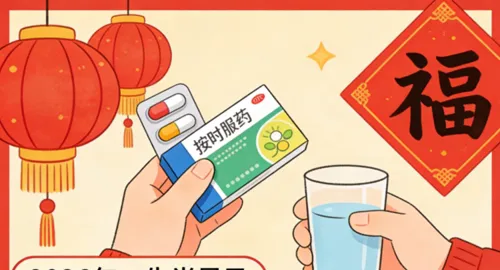
Patients who carry emergency medications (such as nitroglycerin or quick-acting heart pills) can be assisted in taking their medication when they are conscious.
Spring Festival "Heart Protection" Guide - Strengthening the Health Defense Line
1. Diet in moderation: light and balanced, limit alcohol consumption.
Follow the principle of "three lows and three highs": low salt (no more than 5 grams per day), low fat, and low sugar. Eat more fresh vegetables, fruits, whole grains, and high-quality proteins (such as fish, shrimp, and soy products); control portion sizes and aim to feel about 70-80% full at each meal, avoiding overeating.
2. Routine: Balance work and rest, ensuring adequate sleep.
Try to maintain a regular daily routine, ensuring 7-8 hours of sleep each night. Avoid staying up late, and consider taking a short nap of 20-30 minutes during the afternoon.
Reasonably arrange visits to relatives and friends, and avoid participating in high-intensity social activities immediately after long-distance travel. Allow ample time for rest, and try to avoid prolonged sitting while playing cards or scrolling on your phone. Get up and move for 5 to 10 minutes every hour to promote blood circulation.
3. Emotional Stability: Maintain a calm mindset and avoid excessive reactions.
Maintain an optimistic and open-minded attitude, avoid disputes over trivial matters, and learn to regulate your emotions. You can relieve stress by listening to calming music or going for a walk. Elderly people should not become overly excited; when meeting long-lost friends or family, it’s important to control emotional fluctuations and engage in gradual communication.
4. Cold protection and warmth: Focus on protection and engage in moderate exercise.
When going out, make sure to keep warm by wearing a hat, scarf, and gloves to avoid cold exposure to the head and limbs. The temperature difference between indoors and outdoors should not be too large, as sudden cold and heat can easily trigger blood vessel contraction.
Choose mild forms of exercise, such as walking or Tai Chi, and avoid exercising outdoors during the cold morning hours. The intensity of the workout should be such that your body feels slightly warm, avoiding any strenuous activities.
The Spring Festival is a time for family reunion, and health is the foundation of happiness. To protect cardiovascular health, it is important to enjoy the festivities while also adhering to a scientific lifestyle. May everyone in the new year be safe and joyful, with a peaceful mind and no worries, welcoming each wonderful moment with a healthy body!
Special contributor from Hunan Medical Chat: Chen Hui, Second Ward of Cardiovascular Internal Medicine, Fourth People's Hospital of Changde City.
Follow @HunanHealthChat for more health science information!
(Edited 92)
#health
#festival life
© 2025 Health Tribe.