
How to reduce salt and fat in preserved fish and meat for New Year
Feb 25, 2026
Authors: Wang Zhonghai, Class 2, Grade 23, School of Pharmacy, Chongqing University of Arts and Sciences; Yang Xueying, Class 2, Grade 24, School of Pharmacy, Chongqing University of Arts and Sciences. Supervising teachers: Dr. Luo Jie, Associate Professor at the School of Pharmacy, Chongqing University of Arts and Sciences, and Chief Technician Zou Jingbo at the Disease Prevention and Control Center of Yongchuan District, Chongqing. Review Expert: Li Hanbin. Submission Unit: Chongqing Science Popularization Writers Association. Statement: Except for original content and special notes, some images are sourced from the internet, used for non-commercial purposes, and serve only as educational material. Copyright belongs to the original authors. If there are any infringements, please contact us for removal.
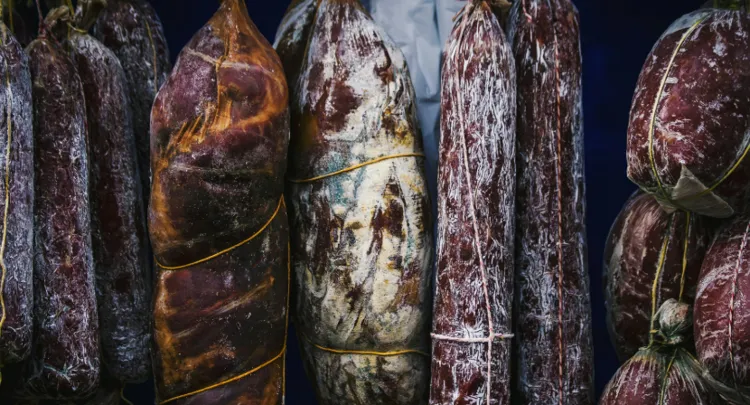
How to reduce salt and fat in preserved fish and meat for New Year. Enjoy cured meats during the Spring Festival while balancing health with tips on preparation and combinations for better eating. Keywords: Healthy Diet, Traditional culture. Before the invention of electricity and refrigerators in China, the wise Chinese people had already discovered many methods to extend the shelf life of food. Among these methods, traditional cured meats are a remarkable representation of China’s rich culinary heritage. Although the various regional flavors of cured meats are delightful, they are often high in salt and fat, which can pose health risks when consumed in excess. The essence of preserved meats lies in their production and preservation methods. In ancient times, techniques like salt curing, air drying, and smoking were utilized not only to survive harsh winters but also to mature flavors, allowing culinary traditions to be passed down. The "Qimin Yaoshu" contains records of meat curing techniques from the twelfth month of the lunar calendar, demonstrating their historical significance. However, the prevalent use of salt and oil not only enhances flavor but also impacts health—salt permeates the fibers of meat, while fats accumulate, creating distinctive textures that also result in increased sodium and fat intake. Long-term excessive consumption can lead to elevated blood pressure and lipid buildup, particularly in spring when the body's energy increases, warranting caution. Does this mean we must forgo preserved meats? Absolutely not. With some preparation and careful pairing, they can be enjoyed in a lighter manner, preserving their flavor while mitigating heaviness. Begin by soaking, then blanching; employ light salt and oil. Before cooking preserved meats, avoid placing them directly into the pot. Instead, slice them into bite-sized pieces and soak in warm water for two to three hours, changing the water once or twice during this time. The water will gradually become cloudy as the salt is released, allowing some to be washed away. After soaking, place the pieces in a pot with cold water, bring to a boil, then cook an additional three to five minutes, skimming the rising fat. This simple technique can significantly decrease salt and fat content while retaining flavor and aligns with modern food processing research aimed at reducing the salt content in traditional cured meats for better quality. Enhance flavors by borrowing tastes; the appropriate pairing of ingredients is essential. Cured meats can serve as "the soul of seasoning" rather than the main dish, showcasing their true value. Fry a few slices of cured meat to release its fat, which can then be used to stir-fry spring bamboo shoots, braise radishes, or stew cabbage, creating a delicate balance where the dishes benefit from the meat’s aroma without overwhelming it. When steaming cured meats, layer them with taro, yam, pumpkin, and other ingredients that absorb the flavorful oils, adding a soft, aromatic bite to the dish while reducing greasiness. Pairing meals with the season brings comfort; if a meal features cured meats, the accompanying dishes should be light and fresh, served with leafy vegetables like spinach, Chinese kale, and broccoli to balance the fat and salt with dietary fiber and vitamins. Complement the meal with whole grains, such as brown rice and quinoa, to enhance fiber intake. Following the meal, a cup of mild tea is beneficial; green tea provides a refreshing option, while Pu'er tea offers a gentler alternative, both supporting digestion and promoting well-being. Regarding portion sizes, cured meats should function primarily as a garnish shared among family members, allowing each person to enjoy one or two slices to maintain a balance between affection and health. Additionally, consuming cured meats is a matter that varies among individuals; therefore, moderation is key. Families with elders or members with high blood pressure or cholesterol should further limit their intake. While occasional indulgence is acceptable, it should not become habitual. The book "Collecting Essentials for Health" aptly states that "Diet and drink have their norms; moderation is crucial." Though the flavors are appealing, both quantity and moderation must be considered. Ultimately, preserved meats symbolize more than a dish on a plate. Hanging beneath eaves, they represent the anticipation of the New Year; when served together, they create a warm atmosphere as families share food with love. Each piece of meat, whether from Grandma or Uncle, carries a story steeped in warmth and reminiscence of chilly winters. This rich culinary tradition, filled with seasonal significance, emotion, and culture, has long been woven into the lives and memories of the Chinese people. Preserved meats encompass not only salt and fat but also the sentiment of life. Soaking them in clean water, briefly boiling them, and pairing with seasonal vegetables alongside a cup of tea allow for a wholesome enjoyment of flavor while prioritizing health. The old traditions need not be discarded; rather, embracing the new while eating mindfully and in moderation is perhaps the best way to enjoy preserved meats.
#healthy diet
#traditional culture



© 2025 Health Tribe.