
Lower Limb Lymphedema: Essential Skin Care Tips for Health
Feb 27, 2026
Author: Zheng Zhenzhen, Senior Nurse in the Vascular Surgery Department at Quzhou People's Hospital. Review: Zhang Xinmei, Chief Nurse of the Vascular Surgery Department at Quzhou People's Hospital.
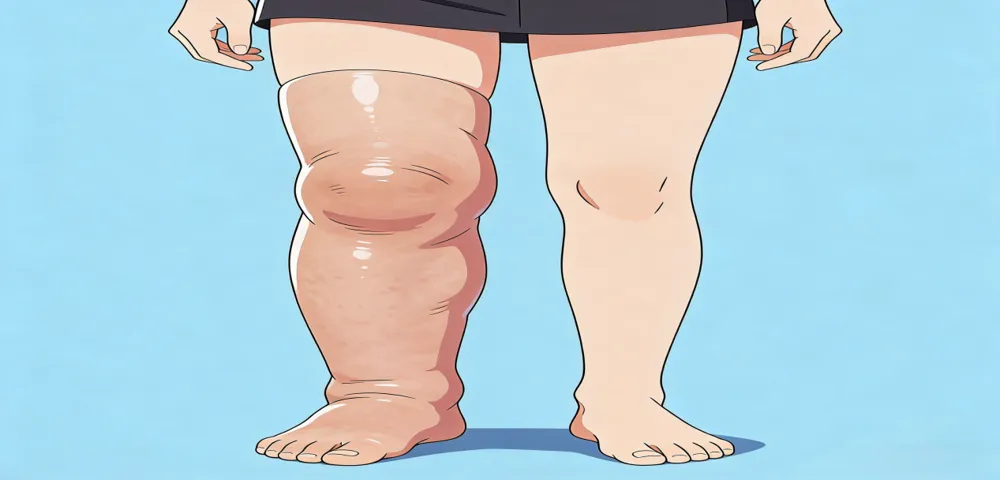
Lower Limb Lymphedema: Essential Skin Care Tips for Health Introduction: Daily skin care for lower limb lymphedema includes cleansing, moisturizing, protecting, sun protection, and self-examination. Keywords: ['health', 'skincare'] Main text: For patients with lower limb lymphedema, swollen legs not only cause significant discomfort but also increase the risk of skin damage. The obstruction of lymph fluid return keeps the skin on the legs in a prolonged state of swelling, resembling a fragile covering that requires careful attention. Neglecting proper care may lead to issues such as dryness, cracking, and infections, which can exacerbate the edema, creating a vicious cycle. Therefore, scientific skin care is not merely an additional task; it is a critical component in managing this condition. 1. The Reason for the "Delicate" Skin of Patients with Lymphedema. The lymphatic system functions similarly to a drainage system, facilitating nutrient transport within the body. When the lymphatic vessels become blocked or damaged, the skin becomes particularly sensitive. Without adequate nutrition reaching the skin, it can dry out, become fragile, and lose elasticity. Accumulated lymphatic fluid can put pressure on the skin, weakening its protective barrier and making it more susceptible to bacteria and irritants. Prolonged swelling can lead to increasingly thin skin, making it vulnerable to bruising from minor impacts; once damaged, healing is difficult. 2. Five Basic Steps for Daily Skin Care Protection (1) Cleansing: Gentle and Non-Irritating. When washing your legs, use warm water around 37°C and avoid soaking in hot water for prolonged periods, such as during foot baths or long baths—limit your shower time to 10-15 minutes. Opt for a gentle body wash that is free of soap bases, fragrances, and alcohol; do not use scrubs or exfoliating products. There is no need to scrub hard; simply use a soft towel to gently wipe. After showering, gently press a clean, soft towel to absorb moisture, ensuring to dry areas that tend to retain water, such as between the toes and around the ankles, avoiding any back-and-forth rubbing. (2) Moisturizing: Deep Repair. The first three minutes after drying the skin represent the golden time for moisturizing. During this period, applying moisturizing products can effectively lock in moisture. It is advisable to choose products with a thick texture and high moisturizing properties, such as body lotions, creams, or specialized care creams containing ingredients like petroleum jelly, lanolin, vitamin E, or ceramides. These ingredients nourish the skin and repair the damaged barrier. When applying, start from the ankles and gently work your way up the legs while massaging until absorbed, paying special attention to dry and rough areas such as the front of the calves, ankles, and heels, while only applying a small amount between the toes. (3) Protection: Avoid Damage. Be extra cautious during daily activities to prevent injuries to the legs, such as bruises, cuts, burns, or insect bites. Wear loose, soft, breathable cotton clothing and socks, avoiding tight, rough, or non-breathable styles to minimize friction and pressure. When trimming toenails, cut them straight across; avoid cutting them too short and do not file the edges, as this can harm the nail bed. If the nails thicken or deform, seek medical assistance and do not attempt to treat it yourself. If the skin itches, do not scratch; instead, gently pat the area or apply moisturizing cream for relief. If the itching is severe, consult a doctor for mild anti-itch medication. (4) Sunscreen: Protect Against UV Rays. Ultraviolet rays can aggravate skin dryness and aging, even inducing lesions. When going outdoors with exposed legs, apply a broad-spectrum sunscreen with an SPF of 30+ and PA+++ at least 30 minutes in advance, reapplying every two hours. You can also utilize physical sun protection methods, such as wearing long pants and a sun hat, and it is advisable to avoid prolonged outdoor activities during the intense sunlight hours from 10 AM to 4 PM. (5) Inspection: Daily Self-Check. Spend five minutes before bed each day to check the skin on your legs, focusing on often overlooked areas such as the ankles, toe spaces, and calves. Look for abnormalities such as redness, swelling, heat, pain, lesions, blisters, or rashes. Use your hands to feel for any increased temperature or hardening. If you notice anything unusual, record it and consult a doctor; do not attempt to treat it yourself. 3. Infection Prevention and Warning Signals. Infection is the most concerning complication for patients with lymphedema, as it may lead to a sudden worsening of edema and potentially more serious issues. Warning signs of infection include sudden redness and swelling in the legs, fever, skin that feels significantly warmer than normal, pain or tenderness in the skin that worsens upon pressing, a marked increase in edema within a short time that does not improve with rest, and possible systemic symptoms such as fever and fatigue. If any of these symptoms occur, seeking medical attention immediately and following the doctor's advice regarding antibiotic treatment is essential; do not delay. IV. Common Myths About Skin Care. Misconception 1: The drier the skin, the more you should bathe. Frequent bathing can strip away the oil layer on the skin's surface, worsening dryness. It is recommended to shower 2-3 times a week, increasing frequency only when perspiring heavily or becoming dirty, while avoiding the use of shower products every time. Myth 2: The more expensive the moisturizing product, the better it is. The key to selection lies in gentle ingredients with high moisture content that suit your skin condition. If you experience itching or redness after use, stop using it immediately. Misconception 3: Wearing tight pants or compression stockings can "squeeze out" water. Tight pants can compress the lymphatic vessels, worsen swelling, and cause friction on the skin. Compression stockings should be of medical grade and selected according to leg circumference and swelling level, with careful handling when putting them on and taking them off. Mistake Four: Disinfecting damaged skin with alcohol. Alcohol is highly irritating and can damage injured tissue, increasing pain and hindering healing. It is recommended to use a mild iodine solution for disinfection. Misunderstanding Five: Just because there’s no pain or discomfort doesn’t mean the skin is problem-free. Many skin issues are asymptomatic in the early stages, and by the time discomfort appears, the situation may have already become serious. Daily self-examination is essential. Skin care for patients with lower limb lymphedema must be maintained over a long period. It is crucial to be patient and meticulous, using correct methods. Taking good care of your skin can not only alleviate dryness and itching but also effectively prevent infections and avoid worsening of edema, thereby laying a solid foundation for managing the condition.
#health
#skincare


© 2025 Health Tribe.