
What is Benzo[a]pyrene and its health risks to consider?
Feb 28, 2026
![What is Benzo[a]pyrene and its health risks to consider?](https://dullahan-resource.kilosites.com/small_22833421e38b433bd0415b67d767a2e5-69a2e12b.webp)
Author: Zheng Siyu, Nurse in the Department of Thoracic Surgery at the Cancer Hospital of the Chinese Academy of Medical Sciences. Zheng Chunying, Head Nurse of the Thoracic Surgery Department at the Chinese Academy of Medical Sciences Cancer Hospital. Review: Zheng Wei, Deputy Chief Nurse of the Thoracic Surgery Department at the Cancer Hospital of the Chinese Academy of Medical Sciences. Note: The cover image is from a copyright stock photo library; reprinting it may lead to copyright disputes.
What is Benzo[a]pyrene and its health risks to consider? Introduction: Benzo[a]pyrene, a potent carcinogen in pollutants, poses dangers; improving diet and lifestyle can mitigate its effects.
When we enjoy the fragrant smoke of barbecue on summer nights, feel the warmth of charcoal around the fireplace in winter, or cook a sumptuous feast with vibrant colors and alluring flavors at home, a health hazard known as "benzo[a]pyrene" may be lurking nearby.
This name may be unfamiliar to many, but it is very close to our lives and is classified as a Group 1 carcinogen by the International Agency for Research on Cancer (IARC). Today, we will reveal its true nature and explore how to avoid it.
We can think of benzo[a]pyrene as a harmful substance produced when something is "incomplete" in combustion. Just like carbon-containing materials such as wood, grease, and coal, if they are not fully burned, the black smoke that emerges often contains it.
Benzo[a]pyrene, this hidden health killer, loves to lurk in many corners of our daily lives.
First of all, its most common haunt is among the various delicacies we love. When you enjoy barbecue, the dripping fat ignites on the hot coals, generating fragrant smoke, and within that smoke lies benzopyrene, which quietly adheres to the surface of the food, especially in those charred areas where the content is the highest.
Not only barbecues, but also the smoke generated from high-temperature stir-frying, repeatedly used fried foods, and charcoal hot pots are common hiding places for it.
Secondly, tobacco smoke is another significant source of benzo[a]pyrene, entering our bodies whether through active smoking or passive inhalation of secondhand smoke.
In addition, benzo[a]pyrene is also present in the air, primarily originating from automobile exhaust (especially the black smoke emitted by diesel vehicles), coal combustion in factories, and other processes.
The most alarming disadvantage of benzo[a]pyrene is that it increases the risk of cancer. It is classified by the World Health Organization as a top-level carcinogen, on par with smoking and drinking alcohol.
When we consume or inhale benzo[a]pyrene, it doesn't cause immediate harm on its own. However, once inside the body, it is processed by certain enzymes into a highly aggressive substance. This processed harmful compound directly attacks the DNA (genetic material) within our cells. It can cause errors in the DNA instructions, similar to carelessly altering a set of correct architectural blueprints. If the altered instructions happen to control the aspects of a cell's "normal growth" and "regulated reproduction," the cell may begin to divide uncontrollably, potentially leading to the development of cancer cells.
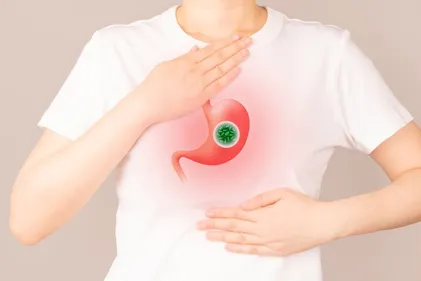
Therefore, long-term exposure to benzo[a]pyrene is most likely to trigger lung cancer (especially in relation to smoking), stomach cancer, and esophageal cancer (related to the frequent consumption of smoked and pickled foods).
Once we know its hiding place and disadvantages, we can find a way to stay away from it.
First of all, when it comes to cooking and eating, we should make more use of healthy cooking methods like steaming and boiling, and reduce our intake of barbecued and fried foods. If you really crave barbecue, you can think of some clever ways to do it, such as microwaving the meat until it's half-cooked to shorten the time spent grilling over an open flame, or wrapping the food in foil while grilling. This way, you can prevent fats from dripping onto the fire and creating harmful smoke, as well as avoid charring the food.
Secondly, when cooking, it is important to control the oil temperature; don’t wait for the oil to start smoking before adding the ingredients. Additionally, whenever you start cooking, you should turn on the range hood, and after finishing cooking, it's best to keep it running for another five minutes to remove any remaining smoke and oil fumes.
At the same time, when it comes to dietary choices, avoid frequently consuming foods like barbecue, smoked meats, and fried chicken. It's fine to indulge occasionally, but they shouldn't be a daily staple. Instead, focus on eating more fresh vegetables and fruits, as the dietary fiber they contain can act like a broom, helping to cleanse the intestines and enable the body to expel harmful substances more quickly.
Finally, it is essential to firmly avoid smoking and to minimize exposure to secondhand smoke. On days with haze or when you see nearby burning garbage or black smoke, try to wear a mask and reduce outdoor activities.
As long as we pay attention to these aspects, we can significantly reduce the harm of benzo[a]pyrene to our bodies.
We need not be overly anxious about benzo[a]pyrene. It is important to understand where the risks lie and to actively avoid them. Choosing healthier cooking methods, such as steaming and reducing the intake of charred foods, is advisable. More importantly, cultivating good habits, such as not smoking and always using a range hood when cooking, is essential. Acquiring knowledge is meant to help us enjoy life more peacefully; a few small changes can lead to long-lasting health benefits.
#diet
#health risks


© 2025 Health Tribe.