
What causes sudden dizziness and vision loss? Explore blood pressure links
Mar 01, 2026
Author: [Author's Name] Reviewer: [Reviewer's Name] Curator: [Curator's Name] Production/Organizational Information: [Production/Organization Name] Title: What causes sudden dizziness and vision loss? Explore blood pressure links Introduction: Postural hypotension causes symptoms and management strategies; adjusting lifestyle can reduce frequency and improve life quality.
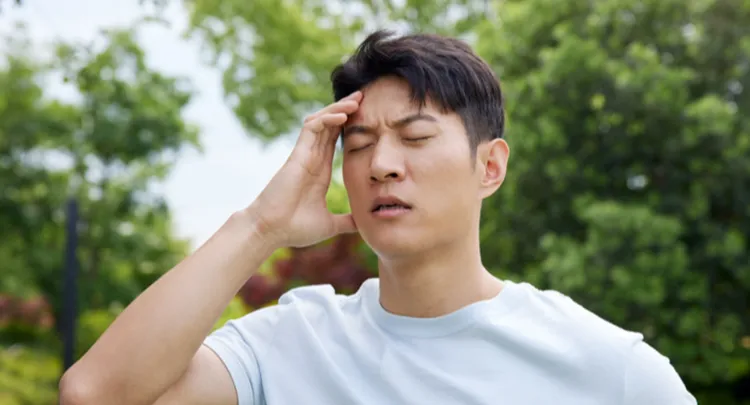
Orthostatic hypotension, also known as postural hypotension, is a condition where a person's blood pressure drops significantly when they stand up from a seated or lying position. This can lead to symptoms such as dizziness, lightheadedness, or even fainting due to inadequate blood flow to the brain. The condition is often caused by dehydration, certain medications, or underlying health issues that disrupt blood pressure regulation.
Orthostatic hypotension, medically referred to as postural hypotension, is the clinical phenomenon in which a person's blood pressure drops significantly upon standing quickly from a lying or sitting position.
For adults, the normal blood pressure range is systolic pressure: 90 mmHg - 140 mmHg and diastolic pressure: 60 mmHg - 90 mmHg.
In other words, if blood pressure falls below 90 millimeters of mercury over 60 millimeters of mercury, it is classified as low blood pressure.
A diagnosis of orthostatic hypotension can be made if, within three minutes of a change in body position, the systolic blood pressure drops by 20 mmHg or more, or the diastolic pressure decreases by 10 mmHg or more, and is accompanied by symptoms such as dizziness, fatigue, and blurred vision.
Why does it happen? The occurrence of orthostatic hypotension can perplex many; why does simply changing positions result in a drop in blood pressure?
When lying down or squatting, there is a relatively larger distribution of blood in the lower limbs. Upon standing, blood should quickly return to the upper body to ensure adequate blood supply to vital organs, including the brain and heart.
Healthy individuals can swiftly adjust their blood pressure after standing. However, if the body's regulatory systems decline and blood does not return efficiently, it can affect blood supply to other body parts, resulting in a drop in blood pressure and symptoms like dizziness, weakness, and fainting.
The occurrence of orthostatic hypotension is not always attributable to a single factor.
Circulatory problems: When the circulatory system fails to operate properly, such as in cases of insufficient blood volume, blood pressure regulation is inevitably impacted. Individuals with poor circulation often experience low blood pressure upon standing, leading to orthostatic hypotension.
For example, during dehydration, when blood volume decreases, the blood flow to the brain is curtailed, leading to the onset of symptoms.
Vascular elasticity issues: As individuals age, the elasticity of blood vessels gradually diminishes, and the regulation of blood pressure slows. Furthermore, some chronic diseases such as diabetes and hypertension can result in autonomic nervous dysfunction, hindering blood vessels' ability to promptly adapt to posture changes.
Medication factors: Certain medications may induce orthostatic hypotension, including antihypertensives, diuretics, and antidepressants. These drugs can suppress heart rate or dilate blood vessels, complicating the swift adjustment of blood pressure.
Medication-induced orthostatic hypotension is especially common among the elderly, as they often take multiple medications and have slower metabolic rates, rendering them more susceptible to drug effects.
Distinguishing from hypoglycemia: The symptoms of orthostatic hypotension can appear similar to those of hypoglycemia, but clear distinctions can be made based on their underlying causes and symptomatology.
Orthostatic hypotension mainly relates to a decrease in venous return due to positional changes, while hypoglycemia typically arises from elevated insulin levels or improper dietary habits, resulting in reduced glucose levels in the blood.
Postural hypotension is chiefly characterized by symptoms like dizziness, blurred vision, and instability when standing, with sweating being uncommon. Conversely, hypoglycemia symptoms include palpitations, sweating, tremors, and fatigue, alongside a strong feeling of hunger, and may even precipitate nausea and vomiting.
Management and alleviation: Orthostatic hypotension can occur in individuals of all ages, and young people need not excessively worry even if they experience these symptoms.
However, particular attention is required for the elderly; as they age, older adults experience declines in vascular function and weakening of lower limb strength. After prolonged squatting, standing up often leads to dizziness, vision disturbances, and difficulty rising, which may result in falls and injuries.
Commencing with lifestyle adjustments can effectively help manage and mitigate postural hypotension symptoms.
Rising slowly: Avoid abruptly standing up from bed or a chair. Try to remain in a sitting or semi-sitting position for a short while before gradually getting up.
Staying hydrated and drinking plenty of water can bolster blood volume and lessen the incidence of orthostatic hypotension.
Increasing salt intake may help the body retain water, thus augmenting blood volume. Nevertheless, patients with high blood pressure should seek medical guidance for this approach.
Wearing compression stockings can help prevent blood from pooling in the lower limbs and effectively stabilize blood pressure.
Engaging in more horizontal exercises, such as using a stationary bike or rowing machine, or swimming is advisable. Upon standing, rise slowly while tightening the glutes, and elevate onto toes once fully standing.
Frequent orthostatic hypotension symptoms or a marked decline in quality of life, such as recurrent dizziness or fainting, signal the need to consult a doctor. This is especially critical if orthostatic hypotension is accompanied by other symptoms like chest pain, palpitations, or severe breathing difficulties, necessitating immediate medical evaluation.
#cardiovascular health
#symptom management


© 2025 Health Tribe.