
Postpartum health: Avoid 4 misconceptions about leg swelling
Mar 01, 2026
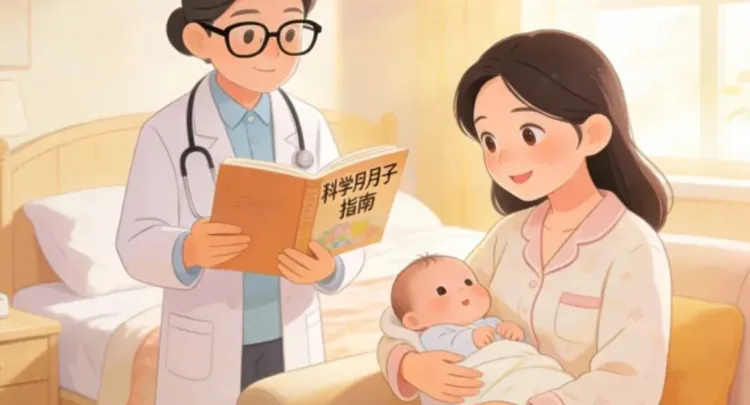
Postpartum health: Avoid 4 misconceptions about leg swelling
Introduction: Postpartum recovery can be hindered by misconceptions; the article offers science-based care tips for mothers to aid recovery.
Keywords: ['Postpartum care', "Women's health"]
On the sixth day of the Lunar New Year, a 30-year-old postpartum woman visited the Obstetrics Department of the First People's Hospital in Pingjiang County. Just ten days after giving birth, she presented with significant swelling in her left lower leg. A duplex ultrasound of the lower extremities revealed the formation of multiple venous thromboses and complete occlusion in several veins, including the left common iliac vein, external iliac vein, and femoral vein.
Upon further inquiry into the medical history, it was learned that the mother had almost no activity after childbirth. Additionally, the mother was in a state of high blood coagulation, which makes prolonged bed rest highly likely to induce thrombosis.
This case also serves as a warning to all pregnant and postpartum women: the traditional concept of postpartum confinement is inappropriate; scientific care is essential for recovery after childbirth. This article analyzes four common misconceptions about postpartum confinement from a medical perspective and teaches you how to unlock the correct postpartum care methods.
Misconception 1: Must stay in bed to rest, going out is "causing trouble"?
(▲AI Image)
Traditional belief: After childbirth, one should stay indoors and rest in bed; otherwise, it will harm one's vital energy.
The Truth of Science: Moderate activity is more beneficial for recovery! After a natural childbirth, mothers can take light walks indoors 6-12 hours postpartum, while those who have undergone a cesarean section should get out of bed with the support of family members 24 hours after the surgery. Prolonged bed rest can slow down blood circulation, increase the risk of thrombosis, and may also lead to constipation and pelvic floor muscle relaxation.
Activities should be progressive: during the first week postpartum, walk indoors for 10-15 minutes per session; after one week, you can walk outdoors (avoiding crowded places) for 20-30 minutes per session. This can both promote uterine contraction and alleviate postpartum depression.
Misconception Two: Shouldn't you wash your hair or bathe after giving birth? The dirtier you are, the healthier you are?
(▲AI image)
Traditional belief: Washing hair and taking baths after childbirth will cause one to catch a cold and lead to long-term health issues; it is necessary to avoid all contact with water during the confinement period.
The truth of science: Postpartum hygiene is key to preventing infections! After delivery, women experience heavy sweating and lochia discharge, making their skin and private areas prone to bacterial growth. Women who deliver vaginally can wash their hair and bathe within 24 hours after childbirth, while those who undergo a cesarean section should wait until their wounds have healed (7-10 days) before opting for a shower (avoid baths).
Note: The water temperature should be between 38-40°C, and the duration of the bath should not exceed 15 minutes. After bathing, dry your hair immediately and keep warm, avoiding direct exposure to cold air. Cleaning can actually expedite the body's recovery.
Mistake Three: Air conditioning is a "fierce beast," and you must sweat it out during the postpartum period?
(▲AI Image)
Traditional belief: After giving birth, one should avoid cold by wearing thick clothes and using heavy blankets, and turning on the air conditioning may cause chills.
The truth of science: The suitable temperature is key to recovery, as excessive sweating can easily lead to heatstroke! Postpartum women have a high metabolism and are prone to sweating; an environmental temperature above 28°C increases the risk of dehydration and infection.
The correct practice is to set the air conditioner to 25-27℃ and avoid direct blowing (position the air outlet upwards or place a bowl of water indoors to increase humidity) while wearing loose cotton clothing. Additionally, open the windows for ventilation 2-3 times a day for 15-20 minutes each time to maintain airflow, ensuring the temperature does not drop below 24℃.
Misconception Four: Is it necessary to have a "super nourishing" diet, where every meal must consist of chicken broth or fish soup?
(▲AI Illustration)
Traditional belief: After giving birth, one should drink strong soups and eat fatty meat to restore vitality and promote milk production.
The truth of science: Balanced nutrition is more important than blindly supplementing! Within the first week after giving birth, the digestive system is weak, so it is advisable to consume liquid foods like millet porridge and soft noodles, while avoiding greasy and spicy foods. After one week, gradually increase the intake of lean meats, eggs, fish, and shrimp for protein, as well as fresh fruits and vegetables to replenish vitamins and dietary fiber.
Chicken soup and fish soup should have the floating oil skimmed off (to prevent milk blockage and obesity). It is advisable to drink 2000-3000 ml of water daily (warm water, vegetable soup, or soy milk are all fine). There is no need to avoid room temperature fruits (such as apples and bananas), as they can effectively prevent constipation.
Hunan Medical Chat Special Contributor: Tang Rong, First People's Hospital of Pingjiang County.
Follow @HunanHealthTalk for more health science information!
(Editing 92)
#women's health
#postpartum care



© 2025 Health Tribe.