
Body Composition Links to Brain Aging in Chinese Adults
Mar 03, 2026
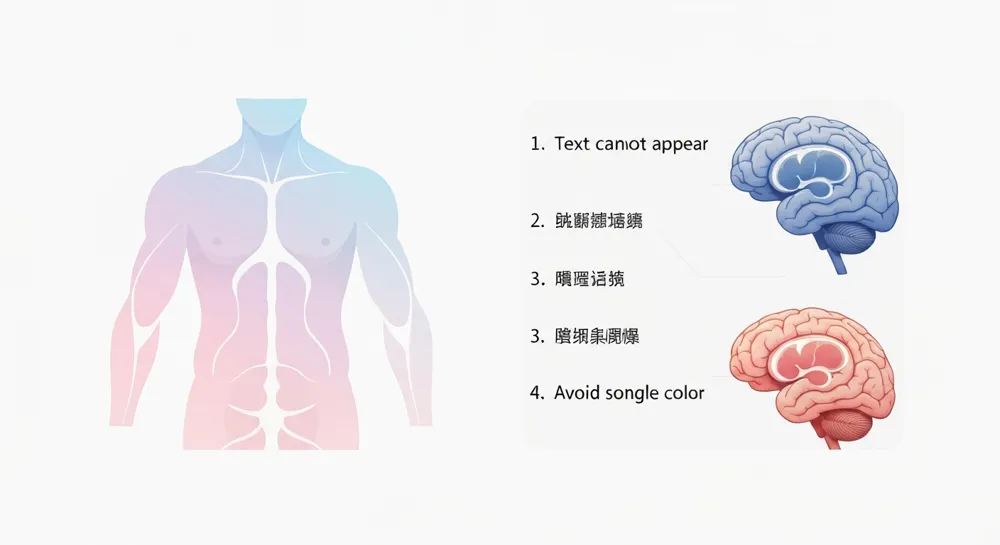
Aging is associated with cognitive decline, impacting millions globally. In China, approximately 12% of the population is over 60 years, and understanding the links between body composition and cognitive health is critical.
This cross-sectional study involved 1,500 Chinese adults aged 60 and above, assessing body composition through dual-energy X-ray absorptiometry and cognitive function using the Mini-Mental State Examination. Statistical analysis evaluated associations between body composition metrics and cognitive scores.
Results indicated that lower muscle mass and higher fat mass were linked to significantly lower cognitive scores (muscle mass 23.5 kg vs 27.8 kg in higher scoring groups, P<0.01). The risk of cognitive impairment increased by 24% with a 1 kg increase in fat mass (95% CI 1.08-1.44).
The findings underscore the relevance of maintaining healthy body composition to promote cognitive health in aging populations. Interventions targeting muscle preservation could be beneficial. However, this study is cross-sectional, and causality cannot be established, necessitating longitudinal studies for validation.
Original citation address: https://www.besjournal.com/en/article/doi/10.3967/bes2025.166
#gerontology
#medical research



© 2025 Health Tribe.