
How can kidney disease patients eat healthier diets?
Mar 05, 2026
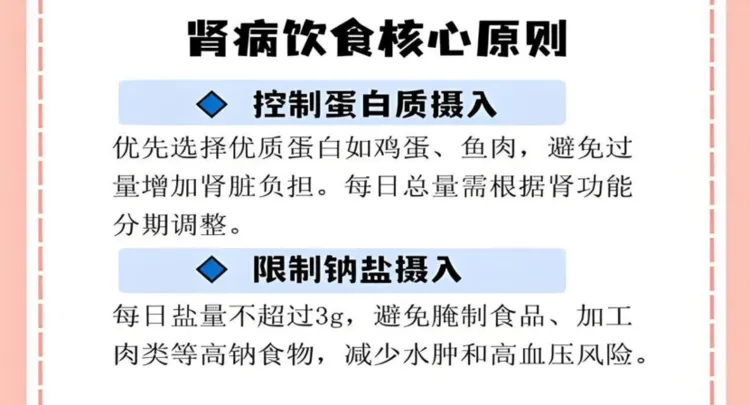
Author: Zhao Dongmei, Science Popularization Expert; Review Unit: Foshan Rehabilitation Hospital (Foshan Fifth People's Hospital). Diet is key in managing kidney disease; control protein, sodium, potassium intake, and avoid processed foods for better health.
The kidneys are the body's main metabolic organs, acting like internal filters that help eliminate metabolic waste, regulate water, salt, and acid-base balance, and maintain bodily functions. When kidney function is impaired, the body's metabolic processes decline, and improper diet can further burden the kidneys and accelerate the progression of disease. Therefore, protecting kidney health and eating the right foods is particularly crucial. For patients with kidney disease, dietary control does not mean completely avoiding certain foods; rather, it involves making appropriate adjustments while ensuring adequate nutrition to reduce the burden on the kidneys and slow the deterioration of kidney function. Below, we will discuss how kidney disease patients should eat based on commonly used dietary principles in clinical practice, helping everyone to protect their kidneys through dietary choices.
Control protein intake, prioritizing quality over quantity. Protein is an essential nutrient for the human body, but patients with kidney disease cannot metabolize excessive protein normally. If consumed in excess, it can lead to the production of a large amount of waste products like urea and creatinine, increasing the burden on the kidneys and accelerating the decline in renal function. Therefore, controlling protein intake is crucial for patients with kidney disease. Depending on the patient's condition, during the early stage of chronic kidney disease, it is recommended to supplement 0.8 to 1.0 grams of protein per kilogram of body weight daily; in the middle stage, this should be reduced to 0.6 to 0.8 grams, and in the late stage, it should be controlled to below 0.6 grams. Ultimately, the specific guidelines should be followed according to the doctor's advice. While controlling the total amount, it is also important to choose the right type of protein, prioritizing high-quality, low-protein foods. These proteins contain essential amino acids that are easily absorbed, reducing waste production while meeting the body's nutritional needs. Foods like eggs, milk, lean meat, and fish are ideal, with eggs and milk being particularly suitable for kidney disease patients. It is important to limit the intake of plant-based proteins, especially products like tofu, soy milk, and dried tofu, due to their less complete amino acid profiles which can increase the burden on the kidneys.
Limit sodium intake to prevent edema and hypertension. Sodium regulates the body's water-salt balance, but patients with kidney disease have reduced renal excretion capacity. Excess sodium can lead to water retention, exacerbating edema and increasing hypertension. This can create a vicious cycle, further damaging the kidneys. Therefore, it is crucial for kidney disease patients to reduce their salt intake, ideally keeping daily salt consumption within 5 grams, and for those experiencing severe edema or hypertension, below 3 grams. Besides salt used in cooking, hidden sources such as pickled vegetables, cured meats, ham, instant noodles, soy sauce, and oyster sauce should be avoided as much as possible. Cooking methods matter too; steaming, boiling, stewing, or preparing cold dishes while limiting frying and braising is recommended. Use less soy sauce, enhancing flavors with natural ingredients like vinegar, lemon juice, cilantro, or scallions. Additionally, high-sodium snacks, such as potato chips and preserved fruits, should be avoided. Always check ingredient lists when shopping and opt for low-sodium options.
Reasonable potassium control is necessary to avoid the risk of high potassium levels. Potassium is essential for heartbeats and muscle contractions, and normally, the kidneys expel excess potassium. However, impaired kidney function in patients with kidney disease leads to reduced potassium excretion and increased risk of hyperkalemia. Severe cases can result in abnormal heart rhythms, posing life-threatening risks. Therefore, kidney disease patients must manage potassium intake based on their kidney function. Those with normal or slightly impaired function should avoid large amounts of high-potassium foods, while individuals with moderate to severe impairment should limit their intake to below 2,000 milligrams daily. Foods such as bananas, oranges, kiwis, and spinach are high in potassium and should be consumed sparingly. Portion control and blanching may help reduce potassium content. Additionally, patients should avoid high-potassium beverages such as coconut water and juices, opting for plenty of plain water instead. Those on diuretics may experience low potassium levels, and should follow their doctor's advice regarding potassium supplementation.
Limit phosphorus intake to prevent renal osteopathy. Phosphorus is vital for bones and teeth, and plays a role in energy metabolism. However, kidney disease reduces the kidneys' ability to excrete phosphorus, leading to elevated blood levels and hyperphosphatemia, which can interfere with calcium absorption and may result in renal bone disease characterized by bone pain, fractures, osteoporosis, and increased cardiovascular risk. Therefore, strict phosphorus intake control is essential. It is generally recommended to limit intake to no more than 800 to 1,000 milligrams daily, with those with moderate to severe dysfunction reducing intake to less than 600 milligrams. Foods high in phosphorus, including organ meats, seafood, nuts, dairy products, and legumes, should be avoided. During food selection, low-phosphorus options such as rice, noodles, steamed buns, winter melon, cucumbers, apples, and pears are preferred. Awareness of phosphorus additives in processed foods is crucial, as many products contain such additives. Patients on phosphorus binders should adhere to their doctor's instructions to minimize intestinal phosphorus absorption.
Control water intake to avoid burdening the kidneys. The kidneys are the body's drainage system, and any issues compromise their ability to filter fluids. Excess water intake can lead to edema or heart failure, thus management of water intake is vital for kidney disease patients. Generally, for patients without edema and normal urine output, 1500 to 2000 milliliters of daily water is adequate. For those experiencing edema, reduced output, or on dialysis, water intake should be limited to about 500 milliliters more than the previous day's output under proper medical guidance. This fluid intake includes not just plain water, but also soups, porridge, and water-rich fruits and vegetables like watermelon and pears. Dialysis patients must pay close attention to fluid intake to prevent rapid weight gain, which can increase the burden on their heart and kidneys. Instead of consuming large amounts of water at once, smaller amounts should be taken frequently.
Maintain a balanced diet and cultivate good habits. Moreover, maintaining a regular diet and cultivating good living habits are essential for kidney disease recovery. It is recommended to have smaller, more frequent meals to prevent overeating, which can overload the kidneys and stomach. Establishing regular eating times and portion sizes is important, ensuring neither hunger nor overconsumption occurs. Meals should focus on light dishes while avoiding greasy and spicy foods that can irritate the gastrointestinal tract and kidneys. Furthermore, quitting smoking and limiting alcohol intake is crucial; smoking damages blood vessels, reducing blood supply to the kidneys, while alcohol must be metabolized by the kidneys, with excessive amounts directly harming renal tubules and speeding up kidney function decline. Good hygiene practices and avoiding contaminated food are vital to prevent intestinal infections that may worsen kidney conditions.
Kidney health is closely related to diet, and proper dietary management can slow the progression of diseases and improve quality of life. The key is to control the intake of protein, sodium, potassium, phosphorus, and fluids, consuming high-quality, low-protein, low-sodium, low-potassium, and low-phosphorus foods while fostering regular, light eating habits. Different patients with different conditions will require tailored dietary plans, necessitating consultation with a doctor or nutritionist for guidance. Regular kidney function tests should be conducted, and dietary adjustments should be made based on changes in condition, starting from food choices. By taking these steps, effective protection of kidney health and support for disease stabilization and recovery can be achieved.
#health
#nutrition



© 2025 Health Tribe.