
How to create a healthy home environment: Key details to consider
Mar 08, 2026
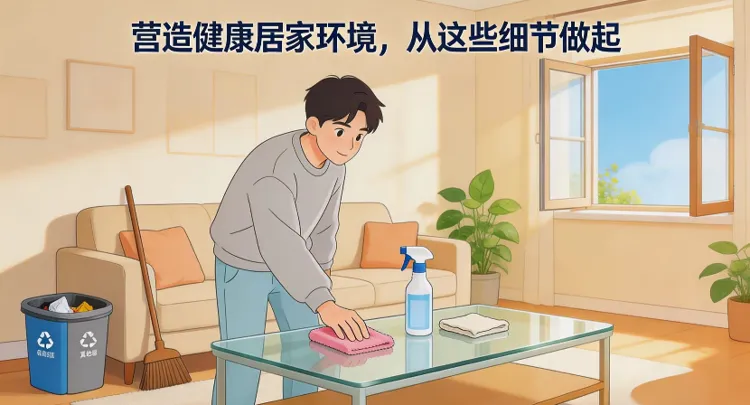
Author: [Not specified] Reviewers: [Not specified] Curator: [Not specified] Organizational Information: [Not specified] Title: How to create a healthy home environment: Key details to consider Introduction: A healthy home environment reduces disease risk; factors like ventilation, cleanliness, lighting, and noise control are key.
A healthy home environment is essential for our physical well-being. It not only allows us to live comfortably and securely but also significantly reduces the risk of disease. Creating a truly healthy home is not a difficult task; the key lies in paying attention to those easily overlooked details. Let us explore how to approach this from various aspects to foster a healthy and safe living environment.
1. Keep indoor air fresh.
Scientific ventilation optimizes indoor air quality.
Develop the habit of regularly ventilating your space by opening windows, ideally two to three times a day for 15 to 30 minutes each time. Choose periods when the outdoor air quality is better, avoiding times of heavy pollution and dust. When ventilating, open windows and doors across from each other to create air circulation and enhance ventilation efficiency; during colder temperatures, small openings can be made for short periods to balance air exchange with temperature stability.
2. Control pollutants and reduce hazards from the source.
When renovating and selecting furniture, prioritize low-emission, eco-friendly materials, and move in only after the newly decorated space has been thoroughly ventilated. Reduce the use of chemical products such as air fresheners and insecticides, refrain from smoking indoors, and avoid exposure to secondhand and thirdhand smoke residues. Regularly clean and change air conditioner and air purifier filters to prevent the accumulation of dust that can foster microorganisms.
2. Scientific cleaning: Maintaining hygiene at home.
Key Area Cleaning: Precisely Reducing Bacteria Growth
It is recommended to regularly wash bed sheets, duvet covers, pillowcases, and similar items in hot water above 55°C. The high temperature effectively kills dust mites and removes their waste. For items that cannot be washed, such as comforters, pillows, and mattresses, they should be placed outdoors to fully dry in the sunlight regularly. The ultraviolet rays and high temperatures from the sun can kill bacteria and eliminate dust mites. After drying, lightly beat the items to remove surface dust and maintain their dryness and fluffiness.
Kitchen: Eliminate breeding grounds for mold and bacteria.
Cutlery and kitchen tools should be cleaned and dried promptly after use to prevent residual moisture from fostering bacteria. For utensils like cutting boards and knives that come into direct contact with food, it is recommended to regularly sanitize them with boiling water or food-grade disinfectants. In damp areas such as under the kitchen sink and in the corners of walls, any water stains should be wiped dry with a cloth after each use to maintain dryness.
Bathroom: Keep it well-ventilated and disinfect regularly.
After taking a shower, promptly turn on the exhaust fan or open a window to reduce indoor humidity and limit the growth of mold. For high-contact areas such as toilets and sinks, it is recommended to wipe and disinfect weekly with a chlorine-containing disinfectant (such as 84 disinfectant, diluted according to the instructions). Regularly clean hair and dirt from areas prone to water accumulation, such as floor drains and wall corners, to prevent odors and bacterial growth.
2. Standardize cleaning and dust removal: avoid raising dust and maintain a tidy environment.
It is recommended to use a slightly damp cloth when dusting, as it can absorb dust without causing it to become airborne. For areas such as floors, sofas, and under beds, it is best to prioritize using a vacuum cleaner to remove dust, which will help reduce airborne pollutants.
Home cleaning often overlooks hidden areas such as under the bed, on top of cabinets, and in the tracks of doors and windows. These spots can accumulate dust and debris over time, making them breeding grounds for bacteria. It is recommended to clean these areas at least once a month.
Household waste should be sorted and cleared in a timely manner to avoid long-term accumulation, prevent unpleasant odors, and deter the breeding of mosquitoes and bacteria.
Creating a Comfortable Temperature, Humidity, and Acoustic Lighting Environment
1. Maintain appropriate temperature and humidity.
The indoor temperature should be maintained between 18-22℃ in winter and 24-28℃ in summer. Avoid having the air conditioning outlet blow directly onto the body. The indoor relative humidity should be kept between 40%-60%. Excessively high humidity can encourage the growth of mold and dust mites, while low humidity can lead to dry mouth, dry skin, and respiratory sensitivity. A dehumidifier or humidifier can be used to adjust humidity according to the season, in conjunction with a hygrometer for precise control.
2. Optimize Lighting and Noise Reduction
Reasonably arrange lighting according to indoor conditions, ensuring that eye-use scenarios such as studying and reading have sufficient and even illumination, while avoiding overly dim or glaring light. In the bedroom, it is advisable to use warm-toned light sources to create a relaxing atmosphere, reducing exposure to strong light and electronic screens before bedtime. At the same time, maintain a quiet environment by selecting low-noise appliances and placing them appropriately, closing doors and windows to minimize external noise, and controlling the volume of audiovisual devices, thereby creating a calm and comfortable environment for rest and sleep, and reducing the impact of light and sound on mental and physical well-being.
4. Focus on the safety of household products.
Choose furniture that meets safety standards, avoiding sharp edges to prevent injuries from collisions. In households with children, consider installing corner guards, outlet covers, and other protective items. Keep dangerous items like medications and cleaning agents out of children's reach to prevent accidental ingestion or contact.
#home health
#environmental optimization



© 2025 Health Tribe.