
Be Aware of Acute Abdominal Syndrome in Children
Mar 17, 2026
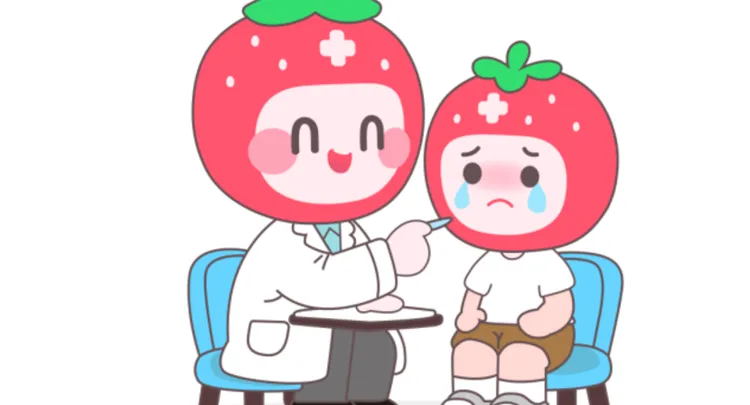
Author: Cao Han, Reviewer: Pediatric Surgeon Zhou Xiaoyu, Curator: Hunan Women and Children's Hospital, Production: Hunan Medical Chat.
Title: Be Aware of Acute Abdominal Syndrome in Children
As the semester begins, cases of children's acute abdominal conditions rise; parents should monitor for symptoms and seek medical help.
"Teacher Wang, my stomach really hurts..." On the first day of school, after the second class, 7-year-old Xiaoyu (a pseudonym) lay on his desk, his little face pale. The homeroom teacher thought it was just a normal stomachache and told the child to go to the restroom for a while. However, ten minutes later, Xiaoyu was directly assisted back by a classmate—his condition was worse, and his forehead was covered in cold sweat.
On the surveillance footage, the slender figure had just reached the classroom door when suddenly, their legs gave way, and they collapsed straight down! The homeroom teacher was terrified and immediately contacted the parents to take the child to the emergency room of Hunan Women and Children's Hospital.
"Acute appendicitis, already perforated; another half hour and it would have been life-threatening." The doctor's words made Xiaoyu's mother weak at the knees. "He said this morning that his stomach felt a bit uncomfortable, and I thought it was just him not adjusting to school, so I told him to bear with it..." Just these words of "bear with it" almost cost the child his life!
What you think is just "stomach pain" might actually be your body calling for help.
Every year in March, during the second week of school, pediatric emergency departments in major hospitals experience a small surge. It’s not influenza, nor is it the common cold; rather, it’s—acute abdominal emergencies in children. Why does this happen at this particular time?
1. The aftereffects of the holiday. During the winter break, the child's routine was disrupted and their diet was irregular, leaving their digestive system in a state of "subhealth." Once school starts, they suddenly have to adjust to a regular schedule, and their body has not yet had time to adapt.
Spring is already a peak season for gastrointestinal diseases. With temperatures fluctuating between warm and chilly, viruses and bacteria are more active, and children's resistance is relatively weaker.
3. The most critical issue is that parents' "back-to-school anxiety" is transmitted to the children. With the start of the new semester, homework, exams, and early rising increase stress levels, leading many children to experience "functional abdominal pain." The problem is, who can distinguish whether this pain is due to "stress" or something more serious?
Abdominal pain in children is never just a "wait it out" minor issue. Especially in the following situations, every minute feels like a race against time:
1. Appendicitis: It may initially present as a slight pain around the navel, which then shifts to the lower right abdomen after a few hours. The child may curl up and resist having their abdomen pressed. If not addressed promptly, once perforation occurs, the infection can quickly spread throughout the abdominal cavity.
2. Intussusception: One segment of the intestine telescopes into another. It is characterized by severe intermittent crying, vomiting, and "currant jelly" stools. Babies aged six months to two years are the most affected population; they are unable to articulate "pain" and can only cry inconsolably.
3. Inguinal hernia: A sudden bulge appears in the groin, which feels hard to the touch, and the child is in so much pain that they can't straighten their back. Over time, this can lead to intestinal ischemia and necrosis.
In these situations, don't hesitate any longer. Many parents might ask: how can I tell the difference? Remember this saying: it’s better to make a trip to the hospital for nothing than to wait even a minute at home. Especially when a child shows the following symptoms, please seek medical attention immediately:
1. Pain persists for more than 2 hours without relief.
2. The child curled up and remained still, refusing to have their stomach pressed.
3. Accompanied by persistent vomiting and fever;
4. Pull out jam-like or black stools;
5. The mental state is getting worse.
Pediatric surgeon Zhou Xiaoyu stated, "We have seen too many cases where children's conditions were delayed due to parental negligence, and we have also witnessed many children who were saved because they received timely medical attention. Often, it is this sense of 'vigilance' that can spare a child from undergoing unnecessary surgery or even save their life. This not only addresses 'small problems' but can also resolve 'big troubles'."
Special Contributor for Hunan Medical Chat: Hunan Women and Children's Hospital, Cao Han.
Follow @HunanMedicalTalk for more health science information!
(Edited 92)
#child health
#emergency medicine



© 2025 Health Tribe.