
Understanding Aflatoxin Hazards and How to Control Them
Mar 17, 2026
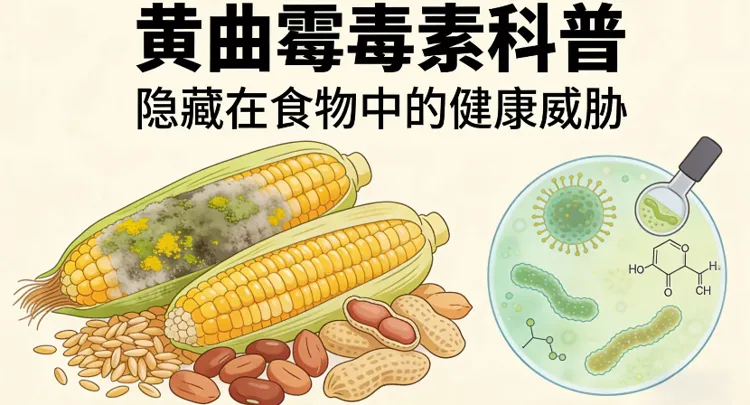
Author: Not specified Reviewer: Not specified Curator: Not specified Production/Organizational Information: Not specified Title: Understanding Aflatoxin Hazards and How to Control Them Introduction: Public education this year will guide on preventing aflatoxins, reducing health risks, and ensuring safe food storage. Keywords: ['Food safety', 'Healthy Diet'] Main text: Aflatoxins are a class of metabolites produced by molds such as Aspergillus flavus and Aspergillus parasiticus. They are widely found in the natural environment and tend to thrive under warm and humid conditions, making them harmful substances that need to be closely monitored in everyday diets. Aflatoxins are stable in nature, and regular cooking temperatures are often insufficient to destroy them. Once ingested through food, they can cause ongoing harm to health. Therefore, implementing effective prevention and control measures is crucial for safeguarding food safety.
What are the health hazards of aflatoxin? 1. Strong Carcinogenicity: Aflatoxin is one of the most potent carcinogens among known chemical substances. Long-term exposure to low doses increases the risk of liver cancer. It damages the DNA of liver cells, leading to cell mutations, which can progressively cause liver inflammation, fibrosis, and potentially develop into liver cancer. 2. Risk of Acute Toxicity: Ingesting a large amount of aflatoxin at once (such as accidentally consuming severely moldy food) can lead to acute toxicity, presenting symptoms such as nausea, vomiting, abdominal pain, and jaundice. In severe cases, it may result in liver failure and can even be life-threatening. 3. Impact on other systems: Prolonged exposure to aflatoxins may also affect the immune system, leading to reduced immunity. For children, it can potentially interfere with growth and development. Additionally, it may cause damage to the kidneys, nervous system, and other organs.
Foods and Items Prone to Contamination by Aflatoxins: Aflatoxins thrive in warm, humid environments rich in starch, and in daily life, these areas and foods are major hotspots: Moldy grains and products: Grains such as corn, peanuts, rice, wheat, and legumes can easily develop mold and accumulate toxins if not stored properly, especially under humid conditions. Among these, peanuts and corn are the most common ingredients contaminated with aflatoxin. Additionally, starchy foods like aged flour and sweet potato slices can also carry a significant amount of toxins after mold develops.
Rancid nuts and seasonings: Nuts such as walnuts, almonds, sunflower seeds, and pistachios can develop aflatoxins if they become damp and moldy. Tasting bitterness in nuts is a signal of toxin exceeding safe levels. Peanut oil and corn oil produced by small workshops, if the raw materials are not strictly screened for spoiled particles, may also contain excessive toxins. Long-stored rancid sesame paste and peanut butter pose contamination risks as well.
In a damp kitchen, wooden cutting boards and wooden chopsticks can accumulate food residue in their crevices after prolonged use. If they are not thoroughly dried after cleaning, mold can grow in a humid environment, leading to the production of aflatoxins. Similarly, dishcloths and sponges that are not replaced over time can easily become breeding grounds for mold.
Other foods that are prone to mold include milk powder and dairy products that have clumped due to moisture, improperly stored pickles and sauces, as well as moldy bread and pastries. These items may be contaminated with aflatoxins.
Scientific Prevention and Control Methods for Aflatoxins: Aflatoxin has stable chemical properties and is difficult to dissolve in water. Washing with plain water can only remove surface impurities and some mold spores, unable to eliminate the toxins that have penetrated internally. It has strong heat resistance, requiring temperatures above 280°C for decomposition, which far exceeds the temperatures typically reached in home cooking, thus its structure cannot be destroyed. Therefore, the key to controlling aflatoxin lies in preventing mold growth, avoiding consumption, and maintaining cleanliness, effectively stopping ingestion at the source.
Strictly Manage the Selection and Storage of Ingredients: When purchasing grains, nuts, and cooking oil, choose reputable sources, check that the packaging is intact and the ingredients are fresh, and avoid buying bulk or unqualified inferior products. Purchase ingredients according to your needs to reduce long-term storage. Grains and nuts should be stored in a cool, dry, and well-ventilated place, sealed to prevent moisture and mold. During hot and rainy seasons, it is important to check them frequently.
Firmly discard moldy food: Once food shows signs of mold, strange odors, or bitterness, do not harbor the delusion that "cutting off the moldy part makes it safe to eat." The toxins produced by mold can spread throughout the food, so it must be discarded completely. If you encounter bitter nuts or spoiled grains, spit them out immediately and rinse your mouth promptly.
To maintain cleanliness of kitchen utensils: Wash wooden cutting boards and chopsticks promptly after use, ensure they are thoroughly dried before storing, and regularly replace old utensils. You may also choose easy-to-clean materials such as stainless steel or food-grade plastic. Dishcloths and sponges should be cleaned frequently and sun-dried regularly, and old ones should be replaced to prevent the growth of mold from residual stains.
#food safety
#healthy diet



© 2025 Health Tribe.