
Sudden deafness alert: 72 hours to recover your hearing
Mar 19, 2026
Author: Wang Guangjun Reviewer: Not specified Curator: Not specified Production/Organizational Information: Wuhan Minsheng Ear, Nose, and Throat Specialty Hospital Title: Sudden deafness alert: 72 hours to recover your hearing Introduction: Sudden hearing loss develops quickly and requires prompt recognition and treatment for better recovery. Health policies support ear health. Keywords: ['Health', 'Otolaryngology']
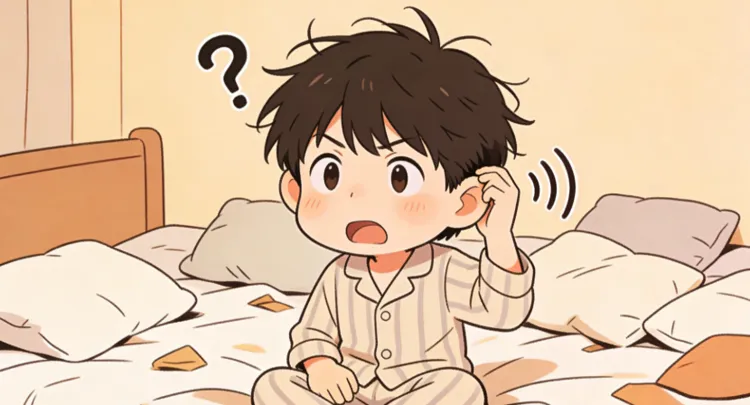
"Everything was fine the day before, but when I woke up after sleeping, I suddenly couldn't hear well in my right ear; it felt like it was stuffed with cotton, and there was a constant buzzing sound..."
At the outpatient clinic of Wuhan Minsheng Ear, Nose, and Throat Hospital, cases of sudden hearing loss are increasingly common. This condition develops suddenly and unexpectedly, with hearing dropping off abruptly. Sudden deafness threatens the hearing health of individuals across all age groups.
Sudden deafness, also known as sudden sensorineural hearing loss (SSNHL), refers to the rapid onset of hearing loss that occurs within a short period, typically within 72 hours. The exact cause is often unknown but can be associated with factors such as viral infections, circulatory problems, or autoimmune disorders. Individuals experiencing sudden deafness may notice their hearing deteriorating in one ear, often accompanied by symptoms like tinnitus (ringing in the ears) or a sensation of fullness in the ear. Early diagnosis and treatment are crucial for the best chance of recovery.
Sudden sensorineural hearing loss, referred to as "sudden deafness," is characterized by a sudden onset of hearing loss within 72 hours without a known cause and is classified as an ENT emergency. It is not merely "hearing loss" but a significant drop in hearing due to damage to the inner ear's hair cells and auditory nerve. This condition can occur at any age, and there has been a notable trend of increasing incidence among younger individuals in recent years.
Be mindful of these "signals" and stay alert for sudden deafness approaching.
1. Sudden hearing loss.
One ear suddenly becomes difficult to hear; during phone calls or listening to sounds, one side is noticeably unclear, and in severe cases, it becomes completely inaudible.
2. Persistent tinnitus.
About 90% of patients experience tinnitus, characterized by sounds like cicadas, buzzing, or electrical noises in the ears, which become more pronounced in quiet environments. In some instances, tinnitus appears before any hearing loss is noted.
3. Feeling of ear fullness or blockage.
The ears may feel as though they have been stuffed with cotton or filled with water, accompanied by a sense of pressure. Swallowing or pinching the nose and trying to pop the ears does not alleviate the discomfort.
4. Dizziness, nausea, and vomiting.
Approximately 30% to 50% of patients experience vertigo, accompanied by nausea and vomiting, which can be easily misdiagnosed as cervical spondylosis or cerebrovascular issues, leading to delayed otolaryngological treatment.
The longer the delay, the harder it becomes to recover hearing!
The core principles of treating sudden hearing loss are early detection, early intervention, and early treatment. Inner ear hair cells do not regenerate; once damaged by ischemia or hypoxia, the hearing loss becomes permanently irreversible.
The golden 72 hours: The first 72 hours following the onset of the condition is the critical period for treatment. The earlier the intervention, the higher the probability of recovering hearing.
There is still a chance within two weeks: if more than 72 hours but less than two weeks have passed, active treatment may still permit recovery.
Over one month: The challenge of treatment increases, which may result in permanent hearing loss.
Upon noticing sudden hearing loss, tinnitus, ear fullness, or dizziness, do not delay, do not self-medicate, and do not rely on folk remedies. Go to a specialized hospital for diagnosis immediately! After undergoing hearing tests and otoscopy for a clear diagnosis, receive systematic treatment.
Can hearing be restored after treatment for sudden deafness?
Director Wang Guangjun of the Wuhan Minsheng Ear, Nose, and Throat Specialty Hospital stated that sudden deafness is not an "incurable disease." With the right methods and adherence to treatment, there is significant hope for hearing recovery.
In recent years, the country has placed great emphasis on hearing health. The National Health Commission, in its "Guiding Opinions on Promoting Ear and Hearing Health Work," encourages the promotion of integrated traditional Chinese and Western medical treatments for ear diseases. The Wuhan Minsheng ENT Specialty Hospital actively responds to national policy directions by adopting the nationally patented integrated "Dong’s 8+1 Comprehensive Hearing Restoration Therapy," specifically targeting sudden deafness, hearing loss, and tinnitus, thereby overcoming the limitations of single treatment approaches.
First, precise examinations are conducted to identify the extent of auditory nerve damage and the status of inner ear circulation, clarifying the cause.
➤ Quick intervention from Western medicine aims to improve microcirculation in the ear, nourish damaged nerves, reduce inner ear edema, and swiftly relieve symptoms.
Traditional Chinese medicine emphasizes treating the root cause, utilizing techniques such as acupoint medication, medicinal stick massage, and herbal steaming. These methods aim to activate the meridians and harmonize Qi and blood, establishing conditions conducive to nerve repair and solidifying therapeutic effects while preventing relapse.
Whether it is acute sudden deafness or hearing impairment accompanied by tinnitus and ear fullness, through systematic intervention using this therapy, most patients can gradually regain their hearing and alleviate the distress caused by tinnitus.
Expert Profile
Wang Guangjun, expert in ear, nose, and throat.
Specializes in: Having extensive diagnostic and treatment experience with common and frequently occurring diseases, as well as difficult cases in otorhinolaryngology and head and neck surgery. Proficient in diagnosing and treating conditions such as otitis media, hearing loss and tinnitus, rhinitis, sinusitis, deviated nasal septum, nasal polyps, snoring, adenoid hypertrophy, tonsillitis, and pharyngitis.
#health
#otolaryngology



© 2025 Health Tribe.