
WHO Launches Initiative to Expand Digital Health Wallet Use
Mar 23, 2026
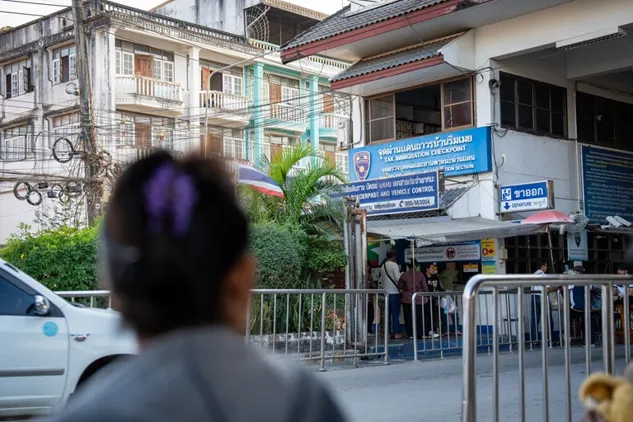
The World Health Organization (WHO) and the Alliance for Health Policy and Systems Research, in collaboration with the Temasek Foundation, have launched a new three-year program designed to assist Member States of the Association of Southeast Asian Nations (ASEAN) in transitioning from paper-based health records to secure, interoperable digital health wallets (DHWs). This initiative aims to enhance national health systems, improve continuity of care, and ensure that individuals have reliable and portable access to essential health information.
"The COVID-19 pandemic demonstrated the critical importance of health records being trusted, verifiable, and able to travel with individuals across borders," said Mr. Kee Kirk Chuen, Head of Health & Well-being at the Temasek Foundation. "Through our collaboration with the WHO, the Temasek Foundation aims to assist countries in transforming fragmented paper records into secure Digital Health Wallets that individuals can carry wherever they go. By piloting this approach in select ASEAN Member States, we hope to showcase how trusted digital tools can enhance health systems, improve the continuity of care—especially for families and children—and build local capacities necessary for governments to scale these systems nationally. If successful, this initiative has the potential to convert global digital health standards into practical solutions benefiting communities across the region."
This initiative builds upon lessons learned from the COVID-19 pandemic, which underscored the urgent need for reliable and verifiable digital health documentation. It aligns with the International Health Regulations (IHR 2025), which promote globally recognized digital health certificates. Transitioning from paper-based tools—such as the traditional 'Yellow Card' or child health booklets—to digital wallets will help address administrative gaps, prevent counterfeit document usage, and ensure that individuals' health records are portable across borders and among service providers. The digital health wallets supported by this initiative will utilize cryptographic verification via WHO's Global Digital Health Certification Network (GDHCN), ensuring that records remain secure, trustworthy, and interoperable. Countries will start with digital International Certificates of Vaccination or Prophylaxis before expanding to incorporate routine immunizations, maternal and child health records, and ultimately, comprehensive personal health summaries.
"Digital health wallets represent more than a technological upgrade—they symbolize a commitment to constructing trusted, people-centered health systems," affirmed Dr. Alain Labrique, Director of the Data, Digital Health, Analytics, and AI Department at WHO. "By assisting countries in adopting secure, interoperable solutions, we guarantee that individuals can carry their essential health data with confidence and dignity. This partnership exemplifies our shared belief that digital transformation should strengthen national capacity, promote equity, and lay the groundwork for resilient health systems."
The program adopts a comprehensive approach by fortifying national systems through technical guidance, shared digital public infrastructure, capacity building, and focused implementation support. Countries will receive assistance in assessing their preparedness, planning deployment, and integrating new wallet functionalities into national health information systems. A crucial element involves the adoption of global interoperability standards, such as HL7 FHIR® and the International Patient Summary, which facilitate the secure and consistent transfer of data across systems. Pilot activities will yield practical insights into how Digital Health Wallets (DHWs) can enhance service delivery, particularly for mothers, children, and travelers in ASEAN member states. Each participating country will also conduct policy and implementation research to bolster national capacity and support wider regional learning.
"Digital health interventions become effective solutions only when they are successfully integrated into existing health systems, founded on a nuanced understanding of local contexts," stated Dr. Kumanan Rasanathan, Executive Director of the Alliance for Health Policy and Systems Research. "The Alliance is pleased to support digital health wallets by fostering learning across partner countries to inform implementation tailored to each specific context."
By the conclusion of the program, the DHWs will have been tested in each country, and the findings will be documented as a replicable model for other countries in the region.
The initiative will also produce global guidance to assist other countries in adopting secure, standards-based digital health wallets, contributing to the development of stronger, more resilient health systems both regionally and globally.
#public health
#digital health



© 2025 Health Tribe.