
How to protect kidneys and promote healthy aging with silver hair
Mar 27, 2026
Author: Yang Huayu, Associate Chief Physician of the Geriatrics Department at Beijing Friendship Hospital.
Review: Sun Ying, Chief Physician of the Geriatrics Department at Beijing Friendship Hospital.
Produced by: Popular Science China
Title: How to protect kidneys and promote healthy aging with silver hair.
Introduction: Chronic kidney disease affects 24.2% of those aged 60+, often diagnosed late, posing serious health risks as a "silent killer."
As the aging population accelerates, chronic diseases have become a major threat to the health of the elderly. One highly prevalent and dangerous chronic disease, due to its insidious onset and absence of early symptoms, is chronic kidney disease, often termed the "silent killer." Epidemiological surveys indicate that the prevalence of chronic kidney disease among individuals aged 60 and above in our country reaches 24.2%, meaning that 1 in 4 elderly individuals suffers from varying degrees of kidney structural or functional impairment. Alarmingly, the vast majority of patients are not diagnosed until their kidney function has significantly declined and they have reached the mid-to-late stages of the disease.
The kidneys are essential metabolic organs in the human body. Through the filtration process of the glomeruli and the reabsorption in the renal tubules, they excrete metabolic waste and excess water as urine while retaining necessary nutrients. Healthy young individuals possess sufficient renal reserve capacity, allowing them to maintain normal filtration function even if some renal units are damaged through compensatory mechanisms. However, after the age of 40, kidney function begins to decline physiologically, with the glomerular filtration rate decreasing by about 1 mL/min per year. In elderly individuals, the renal reserve function significantly diminishes, weakening their ability to tolerate stress from medications, surgeries, infections, and other factors.
Risk factors: What situations accelerate kidney aging?
The occurrence of chronic kidney disease in the elderly is usually attributed to multiple interacting risk factors, primarily including the following:
Aging: The increase in age itself is an irreversible risk factor. In addition to the reduction in renal units, aging kidneys may exhibit structural changes such as glomerulosclerosis and interstitial fibrosis, significantly increasing their susceptibility to various damaging factors.
Chronic Baseline Diseases: In elderly patients with chronic kidney disease, kidney damage secondary to hypertension and diabetes accounts for over 60% of cases. Poor long-term blood pressure control can lead to sustained elevations in glomerular pressure, causing glomerular hypertension and hyperfiltration, ultimately resulting in glomerulosclerosis. Additionally, prolonged high blood sugar damages the microvascular structure of the glomeruli through mechanisms like the formation of advanced glycation end products and oxidative stress, leading to a decline in filtration function, clinically termed "diabetic nephropathy."
Drug-induced kidney injury: Non-steroidal anti-inflammatory drugs, certain antibiotics, and some traditional Chinese herbs can have clear nephrotoxic effects. Prolonged or inappropriate use of these medications can directly damage renal tubular epithelial cells, leading to tubular interstitial lesions.
Unhealthy lifestyle: A high-sodium diet can increase the excretory burden on the kidneys and negatively impact blood pressure control. Long-term insufficient water intake can lead to concentrated urine, raising the risk of metabolic waste accumulation in renal tubules. Excessive fatigue may weaken overall health, indirectly affecting kidney function.
Continuation effects of acute kidney injury: Elderly individuals are at risk of acute kidney injury during stressful conditions such as infections, dehydration, surgeries, or shock due to declines in physiological function. Even if recovery is achieved, some patients may still experience irreversible loss of renal units, which can progress to chronic kidney disease over time.
Screening and Identification: Capturing Early Clues and Traces.
Although chronic kidney disease has an insidious onset, systematic screening and awareness of clinical symptoms can lead to early detection, diagnosis, and intervention. It is recommended that individuals over 60 undergo at least one kidney check-up each year, including:
1. Urinalysis: Testing for urinary protein, hematuria, and microscopic examination of urinary sediments is the most basic and convenient screening method for kidney disease.
2. Kidney function: Evaluate filtration function through indicators such as blood creatinine and urea nitrogen levels.
3. Kidney ultrasound: This can assess the kidneys' size, cortex thickness, and structural morphology, identifying any abnormalities such as atrophy, stones, cysts, or obstructions.
Additionally, attention should be given to the following clinical manifestations that may indicate kidney disease:
- Edema: Commonly observed as morning swelling of the eyelids and facial area, or symmetrical, pitting edema of the lower limbs, possibly indicating water-sodium retention and protein loss.
Abnormal urine: If the urine color resembles washing meat water, strong tea, or red, it suggests gross hematuria. The presence of fine, persistent bubbles in the urine indicates proteinuria. A significant increase in nighttime urination (≥3 times per night) suggests impaired renal tubular concentrating ability.
- Systemic symptoms: Unexplained fatigue, dizziness, pallor, decreased appetite, nausea, and skin itching may relate to metabolic waste accumulation due to compromised kidney function, reduced erythropoietin production, and electrolyte disturbances.
If any of the aforementioned symptoms appear, it is crucial to seek medical attention promptly for a systematic kidney assessment.
After diagnosis: Scientific management is key to delaying progression.
Upon diagnosis of chronic kidney disease, patients and their families need not feel overly anxious. Through standardized comprehensive management, the progression of kidney function decline can be slowed, and the risk of complications can be minimized.
1. Strengthen the management of underlying diseases.
For patients with hypertension, it is essential to adhere strictly to medical advice regarding antihypertensive medications to maintain blood pressure within the target range (typically <130/80 mmHg). For diabetic patients, regular blood sugar monitoring is crucial, and appropriate antidiabetic medications should be utilized to avoid significant fluctuations, while considering the renal safety profile of these medications.
2. Nutritional Therapy.
The general guideline is a low-sodium diet (less than 5 g/day), low in fat, and consisting of high-quality low-protein foods. It is important to limit high-sodium foods like processed meats, sauces, and pickled products; control the intake of high-fat foods such as organ meats and fried foods; and consume moderate amounts of high-quality protein sources such as eggs, milk, lean meats, and fish to ensure adequate caloric intake, while avoiding excessive plant protein consumption to lessen the metabolic burden on the kidneys. For those with moderate to severe declines in kidney function, a precise protein intake plan should be developed under the guidance of a clinical nutritionist.
3. Regulate medication use to avoid nephrotoxicity.
Senior patients should take medications following a physician's guidance. It is strictly prohibited to alter dosages, change medications, or misuse folk remedies and health supplements without medical consultation. When seeking medical care, it is important for them to actively communicate their kidney function status, enabling clinicians to avoid nephrotoxic drugs and appropriately adjust medication dosages based on renal function.
4. Lifestyle intervention and regular follow-up.
Maintaining a regular daily routine is essential, avoiding late nights and excessive fatigue; engaging in moderate exercises such as walking and Tai Chi, which can improve cardiovascular health and metabolic status; refraining from smoking and limiting alcohol intake while controlling weight. Regular monitoring of urine routine, kidney function, and electrolytes is advised. Patients should not discontinue medication or follow-up without consulting their physician, even if symptoms appear to improve.
Conclusion: Protecting your kidneys starts early.
Recognizing earlier, screening earlier, and intervening earlier can help build a strong defense for the kidneys of the elderly, allowing them to enjoy a healthy and happy later life, free from the burdens of kidney disease.
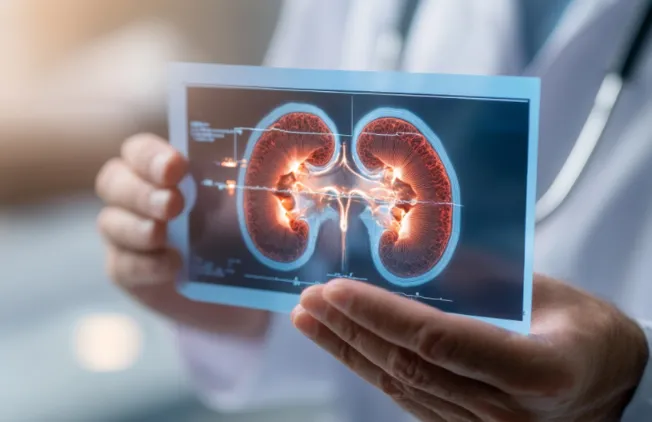
The cover image of this article comes from a licensed image library.
Reposting may provoke copyright disputes.
#kidney health
#senior health



© 2025 Health Tribe.