
Can Children Rely on Glycerin Suppositories for Constipation?
Apr 01, 2026
Author: Wang Jiao, Associate Chief Physician of the Gastroenterology Department at the Capital Institute of Pediatrics, Capital Medical University. Review: Zhong Xuemei, Chief Physician of the Department of Gastroenterology at the Capital Institute of Pediatrics, affiliated with Capital Medical University. Produced by: Popular Science China. The cover image of this article is sourced from a stock photo library. Reproduction may lead to copyright disputes.
Can Children Rely on Glycerin Suppositories for Constipation? Introduction: Functional constipation in children is common; effective management includes medication, diet, and parental support for healthy habits. In the pediatric gastroenterology clinic, parents often consult about their children's bowel issues, asking questions like, 'My child hasn't had a bowel movement in several days, is this a sign of heat in the body?' or 'Is it okay to use a glycerin suppository after constipation? Can it be used frequently?' Functional constipation is a condition defined by infrequent bowel movements or difficulties in passing stools, with no identifiable underlying medical cause. It typically arises from slow bowel transit, challenges in stool evacuation, and the absence of structural abnormalities in the gastrointestinal tract. Symptoms may include abdominal discomfort, bloating, and a feeling of incomplete evacuation. Factors like diet, hydration, and physical activity play significant roles in this condition. Treatment usually involves dietary changes, increased fluid intake, and the possible use of laxatives or other medications when necessary.
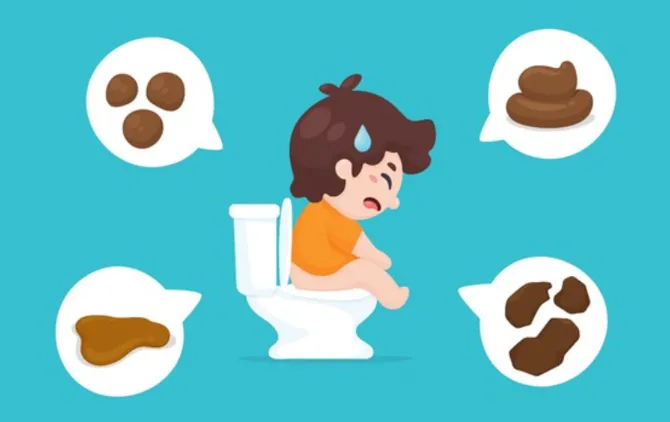
Constipation ranks as one of the common digestive issues in children. Studies show that approximately 3% to 30% of children encounter constipation during growth, with over 90% of these cases being functional. This type of constipation is typically not attributed to organic diseases of the intestines, but rather results from various factors disrupting bowel function. The primary symptoms of functional constipation include: fewer bowel movements, hard and dry stools, and painful defecation. It's crucial to understand that constipation impacts not only defecation but can also lead to abdominal pain, bloating, decreased appetite, and mood changes. Some children may develop a fear of bowel movements due to significant pain, leading them to subconsciously hold in their stool. This retention causes the stool to become harder and larger over time, aggravating the pain in subsequent movements, forming a vicious cycle of 'pain—holding in stool—harder stools—more pain.' Research indicates that without timely intervention, approximately 20% of childhood constipation cases may continue into adulthood, significantly affecting life quality.
Common Causes of Functional Constipation in Children: The development of functional constipation in children typically results from multiple factors, chiefly including withholding behaviors, unreasonable dietary habits, improper lifestyles, and psychological factors. Children may voluntarily withhold bowel movements when they start toilet training, enter preschool, face environmental changes, or recall previous painful experiences. This withholding behavior is a primary trigger for constipation; retaining stool leads to prolonged residence in the intestines, where more water is absorbed, resulting in harder and drier stools, which in turn exacerbates pain and the withholding cycle.
Dietary issues contributing to constipation include inadequate fiber intake, insufficient water consumption, and food allergies or intolerances. Dietary fiber is essential as it absorbs water and increases stool bulk, rendering it softer and easier to pass. Many children favor meat and processed foods, leading to insufficient fiber intake as a significant factor in constipation. Adequate hydration is vital for maintaining stool softness; low water intake means that intestines absorb more moisture, resulting in drier stools. In infants and young children, constipation may also stem from milk protein allergies. Parents should avoid abruptly halting formula milk use or eliminating dairy without medical consultation.
Regular physical activity is key to promoting intestinal motility; children who remain sedentary for long periods are at higher risk for constipation. When children procrastinate bowel movements due to play or distractions, they risk reducing rectal sensitivity, making defecation increasingly challenging. Psychological factors may further complicate bowel habits, including tense home environments, academic pressures, or social issues.
Identifying Functional Constipation in Children: If a child exhibits at least two of the following criteria in the past month, functional constipation should be considered: (1) Infrequent bowel movements: less than two per week. (2) Withholding behaviors: signs like crossing legs or discomfort. (3) Straining: crying or yelling in pain, or passing dry and hard stool. (4) Large stools: abnormally large bowel movements. (5) Abdominal masses: hard, lumpy stools felt in the abdomen. (6) Soiling: occasional fecal accidents in toilet-trained children.
Warning Signs Requiring Vigilance: Parents should seek immediate medical attention for their child if they observe the following symptoms to rule out any organic diseases: (1) No meconium passage within 48 hours after birth. (2) Accompanied by vomiting, blood in stool, or significant abdominal distension. (3) Delayed growth and development. (4) Family history of congenital megacolon or thyroid diseases. (5) Structural anomalies in the anal or spinal regions.
Family Management of Functional Constipation in Children: Family involvement is crucial in effectively managing childhood constipation, necessitating interventions across dietary, physical, psychological, and behavioral dimensions. Dietary recommendations encourage higher consumption of fiber-rich foods like prunes, pears, dragon fruit, broccoli, spinach, oats, and legumes. Generally, daily fiber intake should approximate 'age + 5 to 10 grams' and maintaining ample hydration is essential.
Parenting strategies must also focus on positive reinforcement and psychological support. Daily outdoor activity of at least one hour is recommended. After meals, especially breakfast, children should be encouraged to sit on the toilet for 5 to 10 minutes. Toilets should be height-adjusted to ensure that the child's knees are higher than their hips and their feet touch the ground, facilitating pushing (see Figure 2). This routine exploits the gastro-colic reflex to promote regular bowel habits, while avoiding punitive responses regarding bowel movements helps instill confidence in children.
Pharmaceutical Treatment: In cases of substantial hard stool accumulation in the intestines, medication under a doctor's guidance may be required. Polyethylene glycol 3350 or 4000 and lactulose are common choices for treating functional constipation in children. Polyethylene glycol works by absorbing moisture to soften stool, enhancing bowel passage; it is not absorbed in the intestines, making it safe for usage. Lactulose functions as an osmotic laxative, increasing moisture in the intestines to facilitate bowel movements. Glycerin suppositories act as stimulant laxatives for acute relief, suitable only for situations where stool is impacted at the anal opening. Their role is symptom-focused rather than addressing the underlying causes. Long-term use risks diminishing a child's natural urge to defecate, potentially leading to dependency, thus they are not recommended for routine treatment.
Maintenance Treatment and Prevention of Relapse: Post-relief from constipation symptoms, ongoing treatment is vital to avert recurrence. Many parents mistakenly halt medication too soon when their child experiences successful bowel movements, resulting in a quick return to constipation. Note, symptom improvement does not equate to a resolution. Medications should ideally continue for at least two months, and after achieving regular bowel movements for over a month, dosages may be gradually reduced. Continuous dietary adjustments, maintaining established bowel routines, and moderate exercise should remain integral to lifestyle management.
Functional constipation in children is prevalent and can recur. However, parents should understand this as a manageable chronic condition. This requires patience, careful management, and confidence without anxiety or blame for occasional setbacks. Continued perseverance will ultimately help both parents and children establish a healthy bowel routine together.
#pediatrics
#health education


© 2025 Health Tribe.