
WHO Director on Immunization Vaccines and Biologicals Message March 2026
Apr 02, 2026
Kate O'Brien is the Director of the Department of Immunization, Vaccines and Biologicals at the World Health Organization (WHO).
Recent discussions at the Strategic Advisory Group of Experts on Immunization (SAGE) meeting held from March 9 to 12 highlighted both the remarkable progress made by immunization programs and the increasing challenges that are forthcoming.
In a global context characterized by sudden cuts and shifts in financial resources, rapidly escalating conflicts, increasing numbers of humanitarian crises and fragile settings, evolving disease threats, and growing programmatic complexity, SAGE emphasized the critical importance of robust, evidence-based policies to assist countries in making informed vaccine and immunization decisions. Discussions and recommendations centered on optimizing vaccine usage in resource-limited settings, providing updated guidance on COVID-19 vaccination for high-risk groups, strengthening typhoid vaccination strategies, and maintaining momentum towards polio eradication. Looking ahead, SAGE also contemplated the next phase of immunization beyond 2030, highlighting that continued progress will rely on public trust, the strengthening of national disease surveillance systems, and ensuring that new vaccines and delivery innovations lead to tangible impacts for all countries. Most importantly, SAGE reaffirmed that strong policy guidance, trusted national immunization and primary health care programs, and ongoing global collaboration are essential to ensure that vaccines reach everyone throughout their lives.
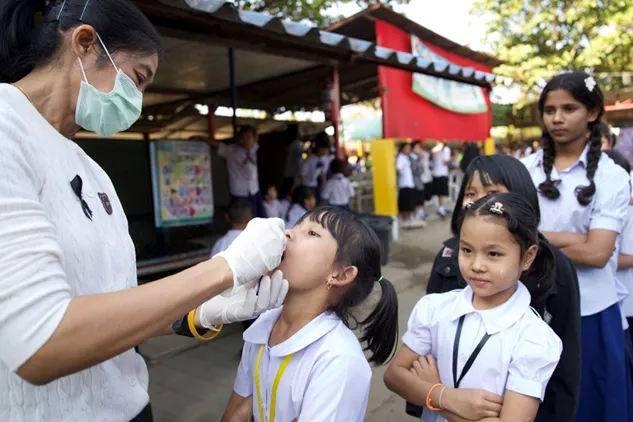
These discussions come at an important moment as we prepare to mark World Immunization Week 2026 (24–30 April), a global opportunity to highlight the impact of vaccines and reaffirm immunization commitments under the theme “For every generation, vaccines work.” Vaccines remain one of the most powerful and cost-effective tools in public health. Yet, behind every vaccination is a decision—made by families, communities, and health workers—to protect the next generation.
Over the past 50 years, immunization—and the choices people have made—has saved more than 150 million lives. Today, vaccines are accessible that protect individuals at every stage of life—from infancy to adulthood and into old age—against more than 30 infections and deadly diseases. However, despite immunization being the cornerstone of primary healthcare in countries worldwide, nearly 20 million children missed at least one vaccine dose in 2024, with over 14 million receiving no doses at all. This serves as a reminder that progress should not be taken for granted, as the risk of regression is always present, and national political leadership is crucial for strengthening immunization programs.
Behind every vaccination is a comprehensive network of health workers, volunteers, scientists, governments, clinics, schools, and most importantly, conversations founded on patience, listening, and trust. By disseminating accurate information, engaging with communities, and building confidence in vaccinations, programs can empower families everywhere to make informed decisions rooted in facts, not fear, that safeguard themselves, their children, and their communities.
As we have now reached the midpoint of the Immunization Agenda 2030, our collective responsibility is clear: prevent backsliding, close immunity gaps, and ensure that the benefits of scientific progress reach everyone, everywhere.
These priorities will continue to guide discussions at the Seventy-ninth World Health Assembly (18–23 May 2026), where Member States will consider the future of global health cooperation, financing, and the evolving global health architecture. In a changing world, immunization remains a shared global good—one that saves lives, stops outbreaks, strengthens health systems, prepares for and responds to emergencies as they arise, and protects generations past, present, and future.
For every generation, vaccines work.
Click here to subscribe to the Global Immunization Newsletter.
#public health
#international collaboration


© 2025 Health Tribe.