
Binge Drinking and Fractures: Avascular Necrosis Risks for Youth
Apr 04, 2026
Author: Hunan Second People's Hospital (Provincial Brain Hospital) Department of Bone and Joint Sports Medicine, Contributors: Peng Yichuan, Mao Yini. Reviewer: Hunan Medical Chat. Curator: Hunan Medical Chat. Production Information: Hunan Medical Chat.
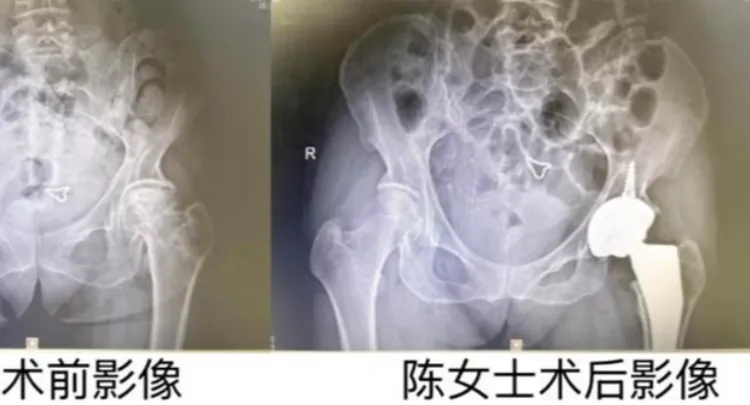
Binge Drinking and Fractures: Avascular Necrosis Risks for Youth. Introduction: Avascular necrosis is rising in young people, linked to alcohol and hip injuries. Quitting drinking is key for prevention. Keywords: Health knowledge, Sports Medicine. Main text: Many people mistakenly believe that avascular necrosis of the femoral head is a disease that only affects the elderly. However, in recent years, the demographic affected by this condition has become increasingly younger. The Department of Bone and Joint Sports Medicine at Hunan Provincial Second People's Hospital (Provincial Brain Hospital) has recently treated more than ten cases of avascular necrosis of the femoral head among middle-aged and young patients. Doctors remind us that long-term alcoholism and hip injuries are two major factors contributing to femoral head necrosis in young and middle-aged individuals. The damage caused by alcohol to the femoral head is insidious and severe, and when compounded by fractures, it can lead to a rapid deterioration of the condition. The only way to protect joint health is to stay away from alcohol and seek medical attention promptly if there is any discomfort in the hip. A 46-year-old woman with alcohol addiction has quietly developed avascular necrosis of the femoral head. Ms. Chen, 46 years old (a pseudonym), has struggled with alcoholism for many years and has found it difficult to quit. Three years ago, she accidentally fell and sustained a femoral neck fracture. She promptly underwent surgery for internal fixation with hollow screws and, after a year and a half of recovery, her follow-up examination indicated that the fracture had healed. However, she let her guard down and resumed her drinking habits. In the early stages of her fracture healing, she felt no discomfort, but gradually began to experience a dull pain in her hip and groin. The pain intensified when walking or moving her hip joint, and eased slightly after resting. She mistakenly believed this was a normal postoperative side effect and did not seek medical attention. It wasn't until recently, when the pain worsened and her hip joint movement became severely restricted—making it difficult to lift her leg, abduct, and even walk with a limp—that she hurried to seek medical care. At the Second People's Hospital of Hunan Province (Provincial Brain Hospital), the examination results show that Ms. Chen has developed severe alcohol-induced ischemic avascular necrosis of the femoral head, accompanied by degenerative changes in the hip joint and joint effusion. The condition has reached an advanced stage, and conservative treatment is ineffective. The only option remaining to restore walking ability is a total hip joint replacement surgery. Why is alcohol abuse combined with a fracture a "double blow" to the femoral head? Director Li Baojun of the Department of Bone and Joint Sports Medicine explained that the progression of Ms. Chen's condition is closely linked to the damage caused by alcohol. The combination of two high-risk factors has directly accelerated the process of femoral head necrosis. Alcohol abuse harms the bones and lays the groundwork for necrosis. Long-term excessive drinking can fundamentally damage bone health: on one hand, alcohol interferes with the body’s absorption of calcium and vitamin D, significantly reducing the ability of bones to repair themselves, leading to osteoporosis and fragility. Minor injuries to the femoral head cannot heal on their own. On the other hand, alcohol directly damages the blood vessels supplying the femoral head, leading to vasospasm and narrowing of the vessels. This increases blood viscosity and can even form microthrombi, obstructing the nutritional supply to the femoral head. Consequently, the bone cells gradually suffer from ischemic necrosis, laying the groundwork for potentially serious pathological changes. The fracture worsens the situation, accelerating the process of necrosis. Femoral neck fractures are a major risk factor for avascular necrosis of the femoral head since they directly damage the blood vessels supplying the femoral head. Ms. Chen already suffers from osteoporosis and vascular damage due to her alcohol abuse. After the fracture, the ends of the bone will further compress and destroy the tiny blood vessels within the femoral head. Additionally, the metabolic disturbances caused by alcohol lead to the formation of numerous fat globules in the bloodstream, which block the remaining blood vessels, creating a vicious cycle of “the more severe the ischemia, the worse the necrosis,” causing rapid necrosis of the femoral head. Dual overlay, the condition is irreversible. A simple femoral neck fracture, if treated promptly and appropriately, can often prevent avascular necrosis of the femoral head. Similarly, early abstinence from alcohol in cases of simple alcohol-induced avascular necrosis can also reverse the condition through hip preservation therapy. However, in Ms. Chen's case, her alcoholism has led to difficulties in healing the fracture, while ongoing alcohol damage has worsened the blood supply deficiency. The combination of these two factors has caused her condition to progress rapidly to an advanced stage, causing her to completely miss the optimal window for hip preservation. To prevent avascular necrosis of the femoral head, here are four essential points to keep in mind: 1. Maintain a healthy lifestyle: Engage in regular physical activity and avoid excessive alcohol consumption. 2. Manage underlying health conditions: Control chronic diseases such as diabetes and hypertension effectively. 3. Ensure a balanced diet: Include foods rich in calcium and vitamin D to support bone health. 4. Avoid high doses of steroids: Limit the use of corticosteroids, which can increase the risk of bone damage. By following these guidelines, you can significantly reduce the risk of developing this condition. Alcohol abstinence and moderation: core preventive measures. This is the most critical and effective method for preventing alcoholic femoral head necrosis. The general population should avoid alcohol as much as possible. Individuals who drink heavily or are dependent on alcohol must quit as soon as possible to eliminate the ongoing harm of alcohol to the femoral head from the source. Young people should also abandon the misconception that "drinking is harmless." Be alert to early signals and seek medical attention promptly. The early symptoms of femoral head necrosis are atypical and can easily be mistaken for ordinary lower back or leg pain. There may be dull, lingering pain in the hip, groin, inner thigh, or knee that worsens with activity and improves with rest. There is often limited range of motion in the hip joint, making it difficult to lift the leg, abduct, or rotate. Conditions such as limping or abnormal gait should prompt an immediate visit to an orthopedic specialist for assessment. High-risk population, regular screening. Individuals with a history of long-term alcohol consumption, hip injuries, or long-term use of hormone medications are considered to be at high risk for osteonecrosis of the femoral head. Even if they do not exhibit any discomfort or symptoms, it is advisable for them to undergo regular hip joint examinations. After experiencing a femoral neck fracture, it is even more crucial to adhere to medical advice for follow-up examinations in order to detect signs of necrosis early and take advantage of the critical period for preserving the hip. Postoperative patients require attentive care. Patients undergoing hip replacement surgery must completely abstain from alcohol after the procedure. They should strictly follow medical advice for rehabilitation training, progressively restoring joint function. Daily activities should avoid strenuous exercise and heavy physical labor, with regular check-ups. It is also important to consume foods rich in calcium and protein to supplement bone nutrition, protect the artificial joint, and ensure a good quality of life. Hunan Medical Chat Special Contributor: Hunan Second People's Hospital (Provincial Brain Hospital) Department of Bone and Joint Sports Medicine, Peng Yichuan, Mao Yini. Follow @HunanMedChat for more health and science popularization information! (Editing 92)
#health knowledge
#sports medicine



© 2025 Health Tribe.