
Symptoms of skin itching and thickening to know now
Apr 06, 2026
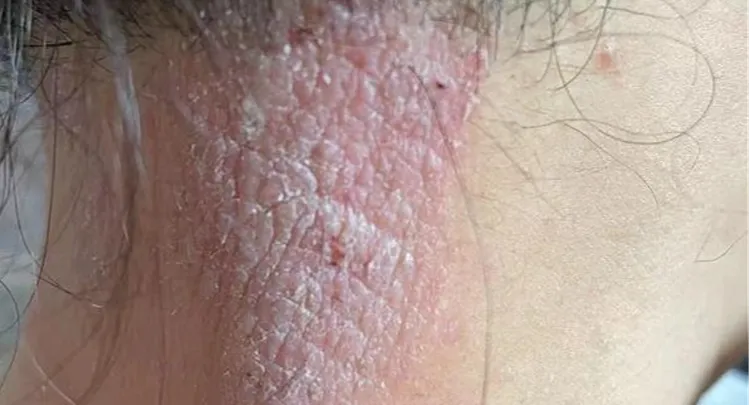
Author: Unknown Reviewer: Unknown Curator: Unknown Production Information: Unknown Title: Symptoms of skin itching and thickening to know now Introduction: Neurodermatitis is a common chronic skin disease; the article covers causes, symptoms, and coping strategies for patients. Keywords: ['Skin health', 'Mental health'] Main text: A sudden, excruciating itch erupted in areas such as the eyes, temples, neck, lower back, and elbows, making it impossible to resist scratching, and it was hard to stop! Soon after, the skin becomes rough and thickened, with a darker and redder complexion, resembling a fungal infection—this could be the onset of neurodermatitis. Nervous dermatitis, also known as chronic simple lichen, is a common chronic skin condition characterized mainly by intense itching and lichen-like changes in the skin. Its most typical characteristic is to trap people in a vicious cycle of "the more you scratch, the itchier it becomes, and the itchier it gets, the more you scratch." Once ensnared by it, it is very difficult to break free easily. The process of causing trouble can be divided into three steps: Initial provocation: An inexplicable itch appears in a certain area of the skin, making one unable to resist the urge to scratch. The vicious cycle begins: once you start scratching, the itch sensation is actually amplified, leading you to scratch harder and more frequently without even realizing it. Leaving marks: Long-term repeated scratching and friction lead to thickened skin, becoming rough, dry, and flaky, ultimately resulting in lichenified patches. What is even more tormenting is that it severely affects the quality of life! The itching during the day is annoying, and nighttime flare-ups disrupt sleep, leading to insomnia and anxiety... it is truly distressing! The causes of neurodermatitis are quite complex, but the medical community currently believes that they are mainly closely related to the following three factors. 1. High mental stress (core trigger): Long-term nervous tension, excessive stress, anxiety, or lack of sleep can all affect the normal regulatory functions of the nervous system, leading to or exacerbating skin itchiness. Many patients report that their symptoms significantly worsen during periods of emotional fluctuation or high stress. 2. External stimuli and friction: Local friction on the skin is another common factor. For instance, repeated friction in areas such as the collar and belt, unsuitable clothing materials, or constant scratching due to insect bites can directly trigger neurodermatitis. 3. The Impact of Lifestyle Habits: Certain lifestyle habits or physical conditions may also influence the disease, such as drinking alcohol, consuming spicy foods, or having gastrointestinal dysfunctions or endocrine disorders, which can become potential factors that trigger or exacerbate symptoms. Neurodermatitis is mainly divided into two types: localized and disseminated. Limited neurodermatitis is commonly found in areas such as the neck, elbows, and eyelids. The affected area is relatively localized, typically featuring only one lesion with a diameter of about 2 to 6 centimeters. The borders are distinct, the surface has a small amount of scaling, and the color is close to normal skin tone or slightly darker. Due to prolonged scratching, the area around the skin lesions often has scratch marks and dried blood. Repeated scratching can irritate the skin, causing it to thicken and develop a lichenified appearance. Disseminated neurodermatitis has a broader distribution and often affects the head, limbs, and trunk. The symptoms are similar to those of localized types, characterized by episodes of intense itching that worsen at night, severely affecting sleep. Frequent scratching can easily break the skin, not only worsening existing skin issues but also potentially leading to secondary skin infections, creating a vicious cycle. The treatment plan for neurodermatitis includes the following aspects: Maintain a good mood, take a proper rest, follow a light diet, avoid anxiety and tension, strive to not stay up late, and keep a regular routine. Strengthen local moisturizing and hydration efforts, and reduce irritations such as scratching. Local application of corticosteroids or calcineurin inhibitor ointment can be used. For patients with severe symptoms, treatment should be combined with oral antihistamines. However, neurodermatitis has symptoms that are quite similar to those of eczema, psoriasis, atopic dermatitis, and other skin conditions, making it difficult for an ordinary person to identify it accurately. Therefore, remember to consult a professional doctor for a proper diagnosis before using any medication!
Author: Unknown Reviewer: Unknown Curator: Unknown Production Information: Unknown Title: Symptoms of Skin Itching and Thickening to Know Now Introduction: Neurodermatitis is a prevalent chronic skin condition. This article discusses its causes, symptoms, and management strategies for patients. Keywords: ['Skin health', 'Mental health'] Main text: An intense, sudden itch can arise in areas such as the eyes, temples, neck, lower back, and elbows, leading to an irresistible urge to scratch. Soon after, the skin may become rough and thickened, displaying a darker and redder hue, resembling a possible fungal infection—this could indicate the onset of neurodermatitis. Neurodermatitis, also referred to as chronic simple lichen, is primarily characterized by severe itching and lichen-like alterations in the skin. A distinguishing feature is the creation of a vicious cycle: "the more you scratch, the itchier it becomes; the itchier it gets, the more you scratch." Once trapped in this cycle, it becomes extremely challenging to escape. This troublesome cycle can be categorized into three steps: Initial provocation, where an inexplicable itch manifests in a specific skin area, provoking the urge to scratch. The vicious cycle begins once scratching starts, amplifying the itch sensation and prompting more intense and frequent scratching, often without awareness. Long-term scratching and friction leave marks: continuous irritation can thicken the skin, rendering it rough, dry, and flaky, ultimately resulting in lichenified patches. This condition imposes a considerable burden on quality of life! Daytime itching can be bothersome, while nocturnal outbreaks disrupt sleep, leading to insomnia and anxiety, causing significant distress. The causes of neurodermatitis are multifaceted, although the medical community predominantly associates them with three key factors: (1) High mental stress (core trigger), where enduring nervous tension, excessive stress, anxiety, or sleep deprivation can disrupt normal nervous system functions, contributing to skin itchiness. Many patients note that emotional fluctuations or heightened stress correlates with symptom intensification. (2) External stimuli and friction: Local skin friction is another significant trigger. For example, persistent friction in areas like the collar or belt, inappropriate clothing materials, or incessant scratching from insect bites can initiate neurodermatitis. (3) Influence of lifestyle habits: Certain habits or physical conditions, such as alcohol consumption, spicy diets, gastrointestinal dysfunctions, or endocrine disorders, can serve as potential triggers or exacerbate symptoms. Neurodermatitis is categorized into two forms: localized and disseminated. Limited neurodermatitis typically occurs in regions like the neck, elbows, and eyelids. The affected zone is usually confined, featuring a singular lesion about 2 to 6 centimeters in diameter. The edges are clearly defined, with minimal scaling and color resembling either normal or slightly darker skin tones. Prolonged scratching often results in scratch marks and dried blood around the lesions. Continuous scratching can aggravate the skin, leading to thickening and a lichenified appearance. In contrast, disseminated neurodermatitis has a wider distribution, frequently impacting the head, limbs, and trunk. Symptoms mirror those of the localized form, characterized by episodes of severe itching intensifying at night, significantly disturbing sleep. Frequent scratching can easily break the skin, worsening existing conditions and heightening the risk of secondary skin infections, perpetuating the cycle. The neurodermatitis treatment plan encompasses several components: maintaining an upbeat mood, ensuring adequate rest, adhering to a light diet, mitigating anxiety and tension, avoiding late nights, and establishing a consistent routine. Enhancing local moisturization and hydration is crucial, alongside minimizing irritations such as scratching. Topical corticosteroids or calcineurin inhibitor ointments may be prescribed. In cases of severe symptoms, treatment may incorporate oral antihistamines. However, neurodermatitis symptoms can closely resemble those of eczema, psoriasis, atopic dermatitis, and other skin disorders, complicating accurate identification for laypersons. Therefore, it is essential to consult a professional healthcare provider for an accurate diagnosis before initiating any treatment!
#mental health
#skin health


© 2025 Health Tribe.