
Is leftover food safe to eat? Common misconceptions explained
Apr 06, 2026
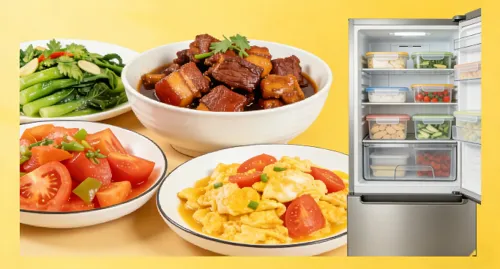
Author: Not specified. Reviewer: Not specified. Curator: Not specified. Production/Organizational Information: Not specified. Title: Is leftover food safe to eat? Common misconceptions explained. Introduction: "Overnight food isn't toxic but poses higher risks. The article offers safe storage and inspection tips for leftovers." Keywords: ['Food safety', 'Nutritional health'] Main text: "Leftover food" is something every household encounters; throwing it away feels like a waste, while eating it raises safety concerns. Various opinions online make things even more confusing: some say that eating leftover food can lead to cancer, while others claim there is no problem at all. So, can we eat leftover food? In fact, many people misunderstand the term "leftover." It really depends on the storage method, the type of ingredients, how long it has been stored, and whether it has gone bad. Understanding these factors is essential for making a scientific judgment and feeling safe about consumption.
First, let's clarify a misconception: it is not that food becomes toxic overnight; the risks lie in the details. Many people mistakenly perceive "overnight" as a definitive safety threshold, which is a significant misunderstanding. In reality, "overnight" simply indicates that the food has been stored for a longer period, typically over eight hours, which does increase the risk, but it does not mean that food is toxic just because it has been left overnight. It primarily refers to the situation where meals that have been stored at room temperature or in the refrigerator for a certain duration are consumed again. In other words, food prepared in the morning and eaten in the evening also carries risks. Therefore, the key to determining whether leftover food is still safe to eat lies not in whether it has "gone overnight," but rather in "how long it has been stored and how well it has been preserved." 2. Safety Assessment: Four Criteria (1) Look at the storage method. Leftover food that can't be finished should be packed and sealed as soon as possible, without waiting for it to cool completely, and placed in the refrigerator within 2 hours. The temperature range of 4°C to 60°C is the "danger zone" for rapid bacterial growth; the longer it is left at room temperature, the more bacteria will grow. Seal with clean storage containers and plastic wrap to avoid flavor transfer and cross-contamination. Dividing into smaller portions allows for faster cooling and reduces contamination from repeatedly opening the lid. Keep the refrigerator temperature stable below 4°C and separate raw and cooked foods. It is recommended to store leftover rice separately in a container and not to mix it with leftover soup or sauce for storage.
#food safety
#nutritional health


© 2025 Health Tribe.