
Choosing the Right Water Temperature for Capsules Affects Efficacy
Apr 07, 2026
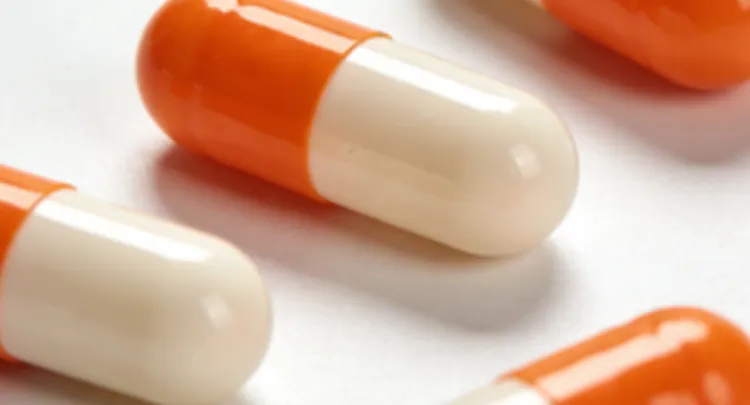
Author: Unknown; Reviewer: Unknown; Curator: Unknown; Production/Organizational Information: Unknown. Title: Choosing the Right Water Temperature for Capsules Affects Efficacy Introduction: Using the wrong water temperature for capsules can halve efficacy or pose health risks. Warm water is advised; avoid extremes. Keywords: ['Health', 'Medication'] Main text: Should capsules be taken with hot or cold water? Some say that hot water helps them dissolve faster and be better absorbed, while others claim that cold water can protect the efficacy of the medication. Today, we’ll decode the "little coat" of capsules and discuss common misconceptions about taking medicine, so you won't have to guess anymore! The function of the capsule shell. To choose the right water temperature, one must first understand why capsules need a shell. The outer shell of the capsule is primarily made from gelatin or hydroxypropyl methylcellulose. It is not just superfluous packaging; rather, it is crucial for precise medication delivery, serving two main purposes: 1. Protect the medication from being broken down by stomach acid. Many medications, such as antibiotics and probiotics, can break down and become ineffective when exposed to stomach acid. The capsule shell can encase the medication, allowing it to pass through the stomach and dissolve in the intestines, which serves as a safe zone, ensuring the efficacy of the medication. 2. Protect your throat and gastric mucosa. Some medications have an extremely bitter taste and are highly irritating. Capsules can encase these medications to prevent direct contact with the mucous membranes, which helps reduce nausea and burning sensations. What temperature is more suitable for the water? The most recommended water temperature for taking capsules is warm water at 20-40°C, which means the water should feel neither hot nor cold, but slightly warm to the touch. Both hot and cold water have their drawbacks, and let's analyze them one by one: 1. Hot water Water above 60℃ can cause the capsule shell to dissolve rapidly, leading to premature release of the medication and a reduction in its efficacy. It may also cause throat adhesion, making swallowing difficult, and can irritate the stomach, which may exacerbate discomfort for those with gastritis. Water that has just been boiled should be allowed to cool for 5-10 minutes to reach an appropriate temperature. Cold water Cold water can slow down the dissolution speed of capsules, causing the medication to remain in the stomach for too long and be damaged by gastric acid. It may also stimulate those with sensitive gastrointestinal tracts, leading to abdominal pain and diarrhea, especially when taken on an empty stomach. 3. Warm water Warm water can prevent capsules from dissolving prematurely, ensuring that the medication reaches the intestines on time without irritating the stomach and reducing the risk of throat irritation. Common misconceptions about taking medication. Here are several common misconceptions about taking medication that everyone should avoid. Misconception 1 Taking medications with coffee, tea, or milk can lead to interactions that reduce their effectiveness or increase side effects. Only certain medications can be taken with milk as directed by a doctor to lessen gastrointestinal irritation. Misunderstanding 2 Taking medicine with only a small amount of water or dry swallowing can easily cause the medication to stick in the throat, irritate the mucous membranes, and lead to ulcers. It is essential to drink plenty of warm water to help the medication go down smoothly. Misconception 3 All medications must be broken before consumption; only regular tablets may be divided as needed. It is strictly prohibited to crush or chew extended-release or controlled-release tablets and capsules, as this may lead to adverse reactions. In summary, prioritize warm water and avoid using hot water for capsules; drink several sips of water to prevent dry throat; plain water is best, avoid beverages; distinguish between dosage forms and do not crush controlled-release or sustained-release tablets. If you are still unsure, the most reliable option is to refer to the medication's instructions or consult a doctor or pharmacist, as this is more dependable than relying on personal anecdotes from those around you.
Author: Unknown; Reviewer: Unknown; Curator: Unknown; Production/Organizational Information: Unknown. Title: Choosing the Right Water Temperature for Capsules Affects Efficacy Introduction: Using the wrong water temperature for capsules can reduce efficacy by half or pose health risks. It is advised to use warm water while avoiding extreme temperatures. Keywords: ['Health', 'Medication'] Main text: Should capsules be taken with hot or cold water? Some experts argue that hot water aids in faster dissolution and better absorption of the medication, while others maintain that cold water preserves the medication's efficacy. In this article, we will clarify the purpose of capsule shells and address prevalent misconceptions regarding medication intake. The purpose of the capsule shell. To select the appropriate water temperature, one must first comprehend the necessity of the capsule shell. The capsule’s outer shell is primarily composed of gelatin or hydroxypropyl methylcellulose. This component is not merely decorative; it is crucial for accurate medication delivery with two main functions: 1. Protecting the medication from degradation by stomach acid. Numerous medications, such as antibiotics and probiotics, can decompose and lose effectiveness when exposed to stomach acid. The capsule shell encapsulates the medication, enabling it to traverse the stomach and dissolve safely in the intestines. 2. Safeguarding the throat and gastric mucosa. Certain medications possess an extremely bitter taste and can be highly irritating. The capsule prevents direct contact with mucous membranes, alleviating nausea and discomfort. Which water temperature is optimal? The ideal water temperature for consuming capsules is warm water between 20-40°C, which should feel slightly warm rather than hot or cold. Both hot and cold water can have detrimental effects, as analyzed below: 1. Hot water Water temperatures exceeding 60°C can cause rapid dissolution of the capsule shell, leading to premature medication release and diminished efficacy. It can also result in throat adhesion, complicating swallowing, and may irritate the stomach, exacerbating discomfort for individuals with gastritis. Boiled water should be allowed to cool for 5-10 minutes before use. Cold water Cold water can hinder the dissolution rate of capsules, resulting in prolonged stomach retention and potential damage from gastric acid. It may also provoke abdominal pain and diarrhea in individuals with sensitive gastrointestinal tracts, especially if taken on an empty stomach. 3. Warm water Utilizing warm water can prevent premature dissolution of capsules, ensuring timely delivery of medication to the intestines without irritating the stomach or increasing the risk of throat irritation. Common misconceptions regarding medication intake. Below are several misconceptions regarding medication consumption that individuals should avoid. Misconception 1 Consuming medications with coffee, tea, or milk can lead to interactions that diminish effectiveness or heighten side effects. Only specific medications may be taken with milk, under a doctor's advice, to mitigate gastrointestinal irritation. Misunderstanding 2 Swallowing medications with a minimal amount of water or dry swallowing can result in the medication adhering to the throat, irritating the mucous membranes, and potentially causing ulcers. It is crucial to drink an adequate amount of warm water to facilitate smooth swallowing of the medication. Misconception 3 All medications should be broken before ingestion; only standard tablets may be divided as necessary. Crushing or chewing extended-release or controlled-release tablets and capsules is strictly prohibited as it may lead to adverse reactions. In conclusion, prioritize warm water and refrain from using hot water for capsules; take several sips of water to avoid dry throat; plain water is preferable over other beverages; recognize different dosage forms and avoid crushing controlled-release or sustained-release tablets. If you remain uncertain, the most reliable guidance is to consult the medication's instructions or seek advice from a healthcare professional, rather than relying on anecdotal experiences from others.
#health
#medication


© 2025 Health Tribe.