
3 Key Points on Eczema and Skin Barrier Health You Should Know
Apr 11, 2026
Author: ZS Reviewer: N/A Curator: N/A Production Information: Publicity and Legal Affairs Department, Xiangdong Hospital Affiliated to Hunan Normal University Title: 3 Key Points on Eczema and Skin Barrier Health You Should Know Introduction: Eczema, often misunderstood as moisture-related, is a skin barrier dysfunction. Proper care can alleviate symptoms and improve life quality. Keywords: ['Skin health', 'Disease management']
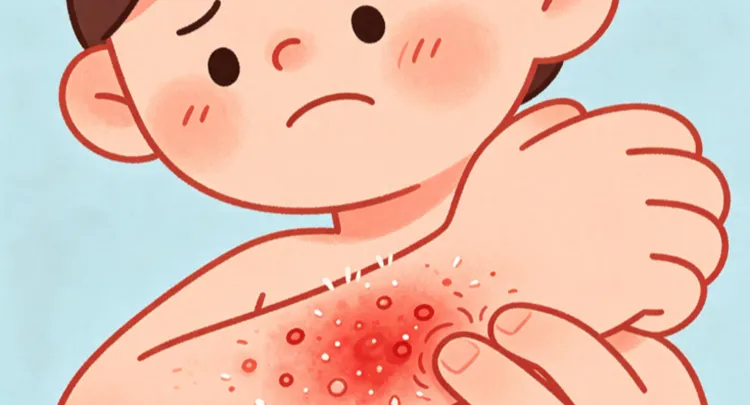
If your skin suddenly becomes red and itchy, and scratching only worsens it, it's likely eczema—not due to "excess moisture" nor an infectious disease. It indicates a malfunction in your skin's built-in "security system." Hunan Normal University Affiliated Xiangdong Hospital advises: Don't panic. After reading these points, you'll learn how to coexist better with it.
Eczema is a condition characterized by inflamed, itchy, and red skin. It can also lead to dry, scaly patches. Often associated with allergies and asthma, eczema can affect individuals of all ages, but is more common in children. The exact cause remains unclear, though it is believed to involve a combination of genetic and environmental factors. Treatment typically focuses on symptom management and preventing flare-ups.
Eczema is classified as an inflammatory allergic skin disease. The epidermis, the outermost layer of skin, serves as a vital barrier. When this barrier is compromised, pathogens and allergens can penetrate, triggering dendritic cells in the dermis to release various cytokines. These cytokines attract an increased number of immune cells, resulting in inflammation. Furthermore, these cytokines can further damage the skin barrier, creating a vicious cycle that exacerbates inflammation and leads to additional skin damage.
Three key facts, remember them well.
1. Not contagious: Holding a baby, shaking hands, and sharing towels are all safe; it is a condition caused by internal factors.
2. Avoid scratching: The more you scratch, the more damage you do to your skin, leading your immune system to become more reactive, which intensifies the itching. Cold compresses and moisturizing act as effective "fire extinguishers."
3. Moisturizing is crucial: Apply a generous layer of fragrance-free moisturizer (like Vaseline) daily, using up to half a pound within a week. This is more essential than any ointment.
In daily life, adhere to the "three do's and three don'ts." Three essentials include:
1. Take warm showers and apply moisturizer within three minutes post-wash.
2. Wear loose clothing made from 100% cotton.
3. Use a humidifier indoors to maintain humidity levels around 50%.
Three don'ts consist of:
1. Avoid hot water and alkaline soaps.
2. Do not avoid foods indiscriminately (unless a doctor explicitly identifies them as allergens).
If you experience widespread infection, promptly seek medical attention.
Can eczema be totally cured?
While eczema can be bothersome, it is treatable. During flare-ups, use topical ointments, and during remission, emphasize intensive moisturization. Identify and avoid triggers (like dryness, excessive sweating, stress, etc.). Most individuals can achieve clear, non-itchy, and non-red skin with proper management.
Follow @HunanMedicalChat for more health science information!
#skin health
#disease management


© 2025 Health Tribe.