
How to identify the true signs of Parkinson's disease
Apr 11, 2026
Title: How to identify the true signs of Parkinson's disease Introduction: As World Parkinson's Day nears, awareness of Parkinson's symptoms, early detection, and treatment methods is vital for public health. Keywords: ["Parkinson's disease", 'Health knowledge'] Hunan Medical Chat Special Contributor: Yang Shen, Neurology Department, Xiangtan First People's Hospital.
April 11 of this year marks the 30th World Parkinson's Day, with a theme of 'Empowering Technology for Comprehensive Care.' In simpler terms, this means that from the early signs of the disease to ongoing treatment, technology plays a vital role in improving the quality of life for those affected. As a neurologist, I frequently encounter individuals who tremble while holding objects, fearing they may have developed Parkinson's; others walk more slowly and show reduced facial expressions, yet insist, 'This is just what happens when you get old,' and delay seeking help. Today, I will explain in plain language what Parkinson's disease is all about.
1. Parkinson's disease is not far from us. Parkinson's disease is the second most common neurodegenerative disorder following Alzheimer's disease. Currently, there are over five million individuals diagnosed with Parkinson's in our country, and this number continues to increase annually. Alarmingly, it is no longer just a 'disease of the elderly'—one in every twenty patients exhibits symptoms before reaching the age of 50.
The key idea to remember is: Early detection and early intervention can allow individuals to coexist with the disease for many years.
Hand tremors are not always indicative of Parkinson's disease; however, these signs should be taken seriously. The most recognized symptom of Parkinson's disease is 'tremors,' yet the core symptom is fundamentally 'slowness.' The three primary motor symptoms to remember are 'slow, stiff, tremor': - Slow: Movements become sluggish. It feels as though it takes ages to button a shirt; my arms barely swing when I walk, and turning around feels like watching a slow-motion film. My expressions have diminished, leading my family to describe my face as a 'mask face.' - Stiffness: Limbs feel rigid, similar to being bound by sandbags; when someone assists in moving them, there is a sensation of 'gears getting stuck.' - Tremor at rest: When seated still, hands may present a 'rolling pills' or 'counting money' motion, though this tremor lessens during tasks or walking.
Moreover, there are easily overlooked 'non-motor symptoms' that may appear even earlier than hand tremors, such as: - Loss of smell (anosmia); - Chronic constipation; - Shouting and kicking during sleep (REM Sleep Behavior Disorder); - Feelings of low mood and increased anxiety.
A simple self-assessment: If you answer 'yes' to more than 3 out of the following 9 questions, consulting a neurologist is advisable: - Is it challenging to rise from a chair? - Has your handwriting diminished in size? - Is your voice quieter than it used to be? - Do you find it easy to fall while walking? - Do your feet sometimes feel glued to the ground? - Have your facial expressions become less diverse? - Does your arm or leg shake involuntarily? - Is it difficult to button your own clothes? - Are you dragging your feet and taking small shuffling steps while walking?
Regarding treatment options now—Medications, surgeries, and rehabilitation exercises: First, it is crucial to note that Parkinson's disease currently cannot be completely cured, but it can be effectively managed.
1. Medication therapy—This is the fundamental approach. The most commonly prescribed medication is 'levodopa,' which addresses the brain's dopamine deficiency. Specific guidelines exist: It should be taken one hour before meals or one and a half hours after a meal, and should not be consumed with high-protein foods to maintain its effectiveness. It is essential not to alter the dosage or discontinue usage without medical consultation, as this can lead to severe side effects.
2. Deep Brain Stimulation (DBS)—Considered the 'magic device' for patients in mid to late stages of the disease. When medication effectiveness declines and involuntary movements are present, 'deep brain stimulation,' colloquially known as a 'brain pacemaker,' may be implemented. This involves inserting a small electrode into the brain, acting as a 'switch' for erratic nerve signals. Many patients with a pacemaker experience immediate reductions in tremors, and their required medication dosage can often be halved.
3. Rehabilitation Training: Rehabilitation encompasses gait training, balance exercises, speech therapy, and occupational therapy. Gait training aids in correcting shuffling steps using a metronome, balance training enhances stability through Tai Chi, speech therapy includes volume exercises for weakened voices, and occupational therapy helps refine fine motor skills such as dressing and buttoning.
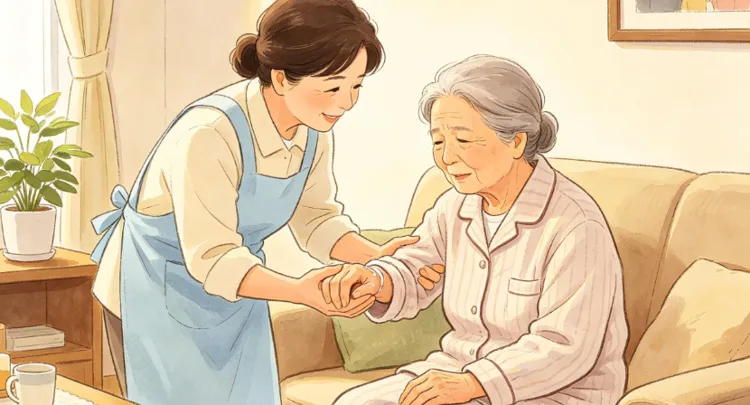
Home care focuses on key aspects. Most patients recover at home, and efforts by family members can often surpass the effectiveness of medications: - Prevent falls: Install handrails in bathrooms and place non-slip mats; keep hallways clear of clutter; maintain a small nightlight at night. - Adhere to medication schedules: Parkinson's treatment must be taken consistently. Setting multiple alarms to remind when to take medications can be helpful. - Prevent choking during meals: Ensure the patient is sitting upright with their chin slightly tucked; encourage taking smaller bites; opt for softer or mashed foods. - Relieve constipation: Drink a warm cup of water first thing in the morning; massage the abdomen in a clockwise motion; incorporate more dragon fruit, oats, and prunes into their diet. - Provide psychological support: Many patients may experience depression or hallucinations. The nine essential words to remember are: do not argue, do not deny, do not blame.
Continue exercising: Placing colored tape on the ground during walks can encourage patients to take larger steps; reading aloud for 10 minutes daily and practicing facial exercises such as puffing cheeks and smiling in front of a mirror can be beneficial.
Five Common Misconceptions Addressed: - Myth 1: Tremors indicate Parkinson's disease. This is incorrect; tremors can also arise from hyperthyroidism, anxiety, and essential tremor. The typical tremor present in Parkinson's is characterized by tremors at rest, and none during movement. - Misconception 2: Parkinson's disease is hereditary. This is false! Only about 10% of patients have a family history; most individuals diagnosed do not have a genetic connection. - Myth 3: Individuals with Parkinson's disease do not live long. This is incorrect! Parkinson's itself is not fatal—it affects the quality of life, but with consistent treatment and exercises, many live into their eighties and nineties. - Misunderstanding 4: Surgery should be reserved for when one can no longer move entirely. On the contrary, when medication efficacy declines significantly, surgical assessments should commence. Delaying could hinder surgical effectiveness. - Note: Although Parkinson's cannot be wholly cured presently, it is not an untreatable condition. Technology is progressing, providing more treatment avenues. The key components are early recognition, calmness in acceptance, and standardized treatment.
The First People's Hospital of Xiangtan encourages individuals: If you or family members exhibit symptoms such as slowed movement, tremors, or unstable walking, you are invited to visit the neurology department of our hospital. Together, we can scientifically combat Parkinson's disease, maintaining both quality and dignity in life.
Follow @HunanMedicalChat for further health science information! (Edit ZS)
#health knowledge
#parkinson's disease


© 2025 Health Tribe.