
Is bone broth a good calcium source? Discover the truth
Apr 12, 2026
Contribution Unit: Chongqing Association of Popular Science Writers
Author: Xiong Meilin Affiliation: College of Pharmacy, Chongqing University of Arts and Sciences, Class 2, Pharmacy, 2024
Supervising teachers: Associate Professor Luo Jie from the School of Pharmacy at Chongqing University of Arts and Sciences, and Senior Technician Zou Jingbo, director of Zou's Science Popularization Garden.
Review Expert: Li Hanbin
Statement: Except for original content and special notes, some images are sourced from the internet and are for non-commercial use only, serving as educational materials for dissemination. The copyrights belong to the original creators. If there is any infringement, please contact us for removal.
There is a saying that "it takes a hundred days to heal muscles and bones." After completing fixative and bandaging treatment at the hospital, it typically takes several weeks for inflammation and pain to gradually diminish. Once the broken bone has largely healed, rehabilitation training should be prioritized. There is a common belief that "you should eat what you want to supplement." After a fracture, many individuals prepare bone broth to replenish calcium; however, this practice lacks scientific support. Only by selecting appropriate ingredients can effective support be provided for the reconstruction of damaged bone tissue.
The human skeleton is like a precisely constructed "calcium-phosphorus mansion": calcium acts as the bricks, collagen serves as the rebar, and vitamins and minerals function as the cement that binds and strengthens it. When a fracture occurs, reconstructing this "mansion" requires various nutrients to synergize and build a stable bone structure.
Bone healing is a process that involves the coordinated action of multiple nutrients, each vital to reconstruction. Calcium, as the primary "building material," experiences a marked increase in demand during callus formation and calcification stages. Timely supplementation facilitates the rapid formation of new bone tissue. High-quality protein serves as the core raw material for synthesizing bone collagen, providing a "flexible framework" for the skeleton, which enhances the toughness of the healed bone and reduces the risk of recurrence of fractures. Vitamin D functions as the "exclusive transporter" of calcium, promoting its absorption in the intestines and ensuring its delivery to the bones. During winter months, when sunlight is limited, reliance on vitamin D becomes critical to prevent calcium loss. Vitamin C acts as an "accelerator" for collagen synthesis, aiding soft tissue repair and diminishing swelling, thereby fostering conditions for callus formation. Zinc and manganese function as the "regulators" of bone metabolism: zinc accelerates the proliferation of osteoblasts, while manganese assists in forming the bone matrix. Collectively, they significantly enhance the efficiency of bone repair.
The nutritional needs during different phases of bone healing change dynamically, requiring adjustments in dietary strategies. In the first 1 to 2 weeks post-fracture, the affected area remains swollen, and gastrointestinal function is relatively subdued; thus, hasty supplementation is not advisable. The focus should be on reducing swelling and mitigating bruising. Suitable dietary options include winter melon and job's tears porridge, alongside light vegetables, with appropriate protein supplementation while avoiding greasy and spicy foods. From weeks 3 to 8, swelling gradually decreases, and callus begins to form, representing the golden period for calcium and protein replenishment. It is recommended to consume protein-rich foods daily, combined with vitamin C to enhance the synergistic effect of nutrients. After week 9, the callus enters the calcification and modeling phase, with bone strength progressively recovering. The focus of the diet should shift to balanced nourishment. This can involve whole grain rice, nuts, deep-sea fish, animal liver (to supplement vitamin D), and fresh fruits and vegetables to maintain metabolic balance. Moreover, moderate exercise as approved by the doctor can assist the newly formed bone in better meeting physiological requirements.
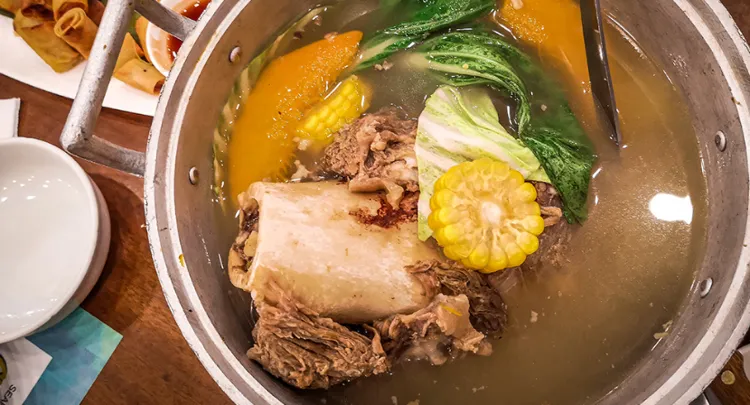
In rehabilitation diets, it is crucial to recognize some common misconceptions. Many individuals begin taking large quantities of calcium supplements after a fracture, which can lead to excessively high blood calcium levels, inhibit callus formation, and even trigger kidney stones. Others mistakenly presume that bone broth serves as a good calcium source; however, bone broth contains significantly low calcium levels and is high in fat. Long-term consumption provides inadequate calcium supplementation and may entail weight gain or digestive issues. Its calcium absorption efficiency is far inferior to that of a glass of milk or a piece of tofu. Additionally, traditional foods often deemed "reactive" (such as chicken, fish, and eggs) can, when consumed in moderation, offer high-quality protein that aids tissue repair, and excessive dietary restrictions are unnecessary.
#nutritious diet
#bone healing


© 2025 Health Tribe.