
What are the health benefits of drinking tea and common myths?
Nov 16, 2025
Author: 100% Sweet Reviewer: Not specified Curator: Not specified Production/Organizational Information: This article is a collaboration with experts.
Drinking tea has health benefits; this article discusses the craftsmanship, effects, and tips for optimal consumption of black tea.
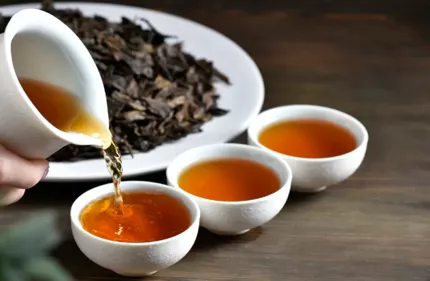
When it comes to tea, many people first think of the refreshing quality of green tea or the rich flavor of black tea. But did you know that China also has a unique type of 'post-fermented tea'—black tea?
Compared to green and black tea, the background and processing of dark tea are unique. It is made from fresh leaves or mature new shoots of the tea tree, undergoing several key processes: 'kill green → kneading → fermentation → drying.' Among these, 'fermentation' is the 'soul step' of dark tea—essentially, it is the process of allowing the tea leaves to 'ferment' under suitable temperature and humidity, using microorganisms to alter the composition and flavor of the tea. This is why it is referred to as 'post-fermented tea.'
As a type of tea unique to China, dark tea has a drinking history of nearly a thousand years. Common varieties can be divided into several major categories, including Bian tea from Sichuan, ripe Pu'er tea from Yunnan, Fuzhuan tea from Hunan, Liubao tea from Guangxi, and Laoqing tea from Hubei, among others. Ripe Pu'er tea, in particular, has gained immense popularity in recent years due to the 'Pu'er craze,' making it a favorite among many tea enthusiasts.
Although we Chinese have been drinking tea for thousands of years, many people still perceive tea as merely a flavorful beverage, slightly better than plain water.
This perspective may be somewhat narrow.
In reality, the benefits of drinking tea extend beyond enjoyment of its flavor. On a conventional level, it serves as a key element for discussing significant business matters; on a more refined level, it can cultivate one's temperament; and health-wise, the advantages are numerous!
First, let's explore the nutritional components of tea leaves.
So, what are the health benefits of drinking tea in moderation? Let's take a closer look:
1. Help the brain 'clear obstacles.' Free radicals impede mental flexibility, and tea acts as a diligent 'cleaner,' aiding in the elimination of these obstacles.
On one hand, the polysaccharides and polyphenols in tea can directly eliminate free radicals; on the other hand, they can activate the body's antioxidant enzymes, enhancing the overall antioxidant 'fighting power.' Additionally, certain fermented teas contain beneficial fungi and other microorganisms that produce abundant antioxidant enzymes, further protecting the brain.
2. Help the body 'control fat and manage weight.' If you are worried about excessive weight or high blood lipid levels, moderate tea consumption may be beneficial. Components in black tea can 'inhibit fat production' (for instance, by reducing fatty acid synthase activity) and can also 'promote fat breakdown' (accelerating fatty acid metabolism). This means it restricts fat accumulation while aiding in its consumption, effectively assisting the body in managing fat levels.
3. Help the stomach and intestines 'get moving.' Many people feel their digestive system is more comfortable after drinking tea, as it helps to regulate gut microbiota. For example, drinking Fu brick tea (especially those with 'golden flowers') can increase beneficial bacteria in the intestines, such as bifidobacteria and lactobacilli, while decreasing harmful bacteria like E. coli. Moreover, the theaflavins in Pu-erh tea can enhance peristalsis in the small intestine, assisting those with constipation.
4. Help the kidneys 'hold up an umbrella of protection.' The kidneys are crucial detoxification organs that effectively filter waste from the blood. However, filtration capacity decreases around the age of 40.
Tea leaves contain caffeine, which has a diuretic and detoxifying effect. Furthermore, drinking tea increases water intake, which can lower the risk of kidney stone formation. Functional components such as tea polyphenols and polysaccharides may help regulate blood lipids and blood sugar, indirectly protecting the kidneys.
However, it is essential to note that cold tea contains a high amount of oxalate, which can increase the risk of developing kidney stones.
'Since the benefits of tea are numerous, doesn't drinking it all at once double its effects?' Friend, this line of thought is quite dangerous!
Tea contains caffeine and oxalic acid, among other components. Overconsumption can keep the brain and cardiovascular nerves in a state of constant stimulation, potentially leading to issues like arrhythmia and palpitations over time. Additionally, oxalic acid can easily trigger kidney stones.
Therefore, drinking 1 to 2 cups a day (approximately 5 to 10 grams of tea leaves) is considered just right.
Caution should be taken when drinking tea before bedtime. The caffeine in tea might be problematic. Consuming a large cup of tea before bed can stimulate your nerves, leading to restlessness at night.
Additionally, it is advisable to avoid drinking tea within 30 minutes before and after meals, as well as one hour before and after taking medication.
Be cautious about drinking tea while it is too hot. Some people consume tea immediately after brewing, even when it's scalding hot, risking throat burns. Prolonged consumption at such temperatures may heighten the risk of esophageal cancer; it is best to wait until the tea cools down below 65°C.
Finally, it is crucial for pregnant women, breastfeeding mothers, individuals with anemia, and those taking antihypertensive or antidiabetic medications to consult a doctor prior to drinking tea.
It is vital to pay attention to the methods and ways of drinking tea while controlling the amount consumed. Scientific consumption of tea is key for maintaining better health!
Disclaimer: This article is for medical education and popular science purposes only and does not involve specific treatment methods or medical practices; it should not replace consultations at hospitals.
#health



© 2025 Health Tribe.