
Anemia Hemoglobin Thresholds for Healthy Infants in China
Jan 22, 2026
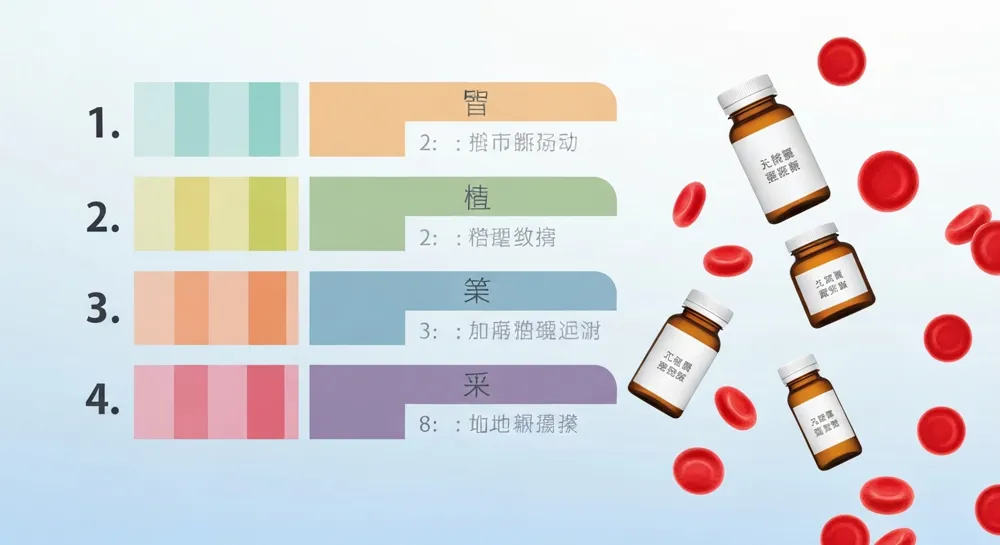
Background: Anemia represents a significant public health challenge in infants, potentially affecting growth and cognitive development. In China, defining appropriate hemoglobin thresholds for anemia in infants aged 0–5 months is crucial, yet current guidelines lack specificity for this demographic.
Method: This study conducted a multicenter cross-sectional analysis involving 2,500 healthy infants aged 0-5 months from various regions in China. Hemoglobin levels were measured using standard laboratory techniques, and thresholds were established using receiver operating characteristic (ROC) curve analysis.
Result: The analysis determined optimal hemoglobin thresholds for diagnosing anemia in healthy infants, identifying a cutoff of 10.5 g/dL, with sensitivity of 85% and specificity of 90%. The established thresholds provide a basis for early identification of anemia in this population.
Conclusion: The findings support the implementation of the 10.5 g/dL hemoglobin threshold for diagnosing anemia in healthy infants in China, enhancing early detection efforts. Furthermore, these results should prompt policymakers to integrate these thresholds into national health guidelines, although further validation in diverse populations is advised.
Original citation address: https://www.besjournal.com/en/article/doi/10.3967/bes2025.144
#health
#medical research

© 2025 Health Tribe.