
How to avoid misconceptions about compression socks for leg health
Feb 02, 2026
Author: Zhang Xinmei, Head Nurse of the Vascular Surgery Department at Quzhou People's Hospital. Reviewer: Cheng Guobing, Chief Physician of the Vascular Surgery Department at Quzhou People's Hospital.
How to avoid misconceptions about compression socks for leg health. Compression stockings vary in pressure levels: Level 1 for prevention, Level 2 for moderate cases, and Level 3 for severe conditions.
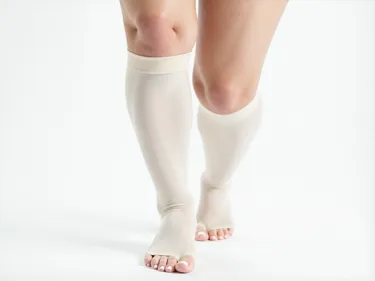
GCS, also known as medical compression stockings (MCS) or elastic stockings, are long socks designed to apply pressure to the legs with a gradient effect. They are crafted according to strict medical technical standards, employing the principle of gradient pressure which establishes the highest pressure at the ankle and gradually decreases at the leg moving toward the heart.
Many people overlook the details of wearing and cleaning compression stockings, leading to premature "disposal" of several hundred yuan worth of stockings and possibly exacerbating leg discomfort and damaging vascular health. Today, let's break down these common misconceptions so that they can truly become guardians of leg health.
Misconception 1: The tighter the compression stockings, the better. Compression stockings are categorized into three levels of pressure: Level 1 is low pressure (16-22 mmHg), Level 2 is moderate pressure (23-36 mmHg), and Level 3 is high pressure (37-46 mmHg). The choice depends on the medical condition: Level 1 is suitable for prevention and mild symptoms, Level 2 is for moderate to severe cases and post-operative recovery, while Level 3 is only for severe edema or ulcer patients (under doctor's guidance). Blindly choosing high-pressure options or wearing them too tightly can compress arteries, leading to insufficient blood supply to the legs, resulting in numbness, coldness, and pain.
Myth 2: The longer you wear it, the better. For daily prevention or those with mild symptoms, it is advisable to wear them during the day and remove them at night to allow the blood vessels to relax. For moderate to severe patients or those recovering from surgery, it is recommended to extend the wearing time as per the doctor's instructions, but wearing them continuously for 24 hours is unnecessary. Doing so may result in poor skin breathability, infections, or impair normal muscle contraction.
Myth 3: You can simply buy any "health socks." Regular "health socks" or "slimming socks" may have uneven pressure and poor fit, failing to deliver the desired effect and possibly causing localized pressure issues. It is essential to purchase compression stockings through a hospital, authorized pharmacy, or medical device platform, and to select the size and pressure level under a professional's guidance.
Myth 4: Wearing compression stockings eliminates the need for other care. Compression stockings are a supportive measure and should be used alongside a healthy lifestyle: engage in activity for 5 minutes every 30 minutes (such as toe raises or heel raises), maintain a healthy weight, avoid tight clothing and high heels, and elevate the legs while resting (above heart level) to achieve the best results.
Not everyone should wear compression stockings, but certain groups of people can experience significant benefits.
Certain individuals must avoid wearing compression socks. The following groups should be cautious, as they may face serious risks if they wear compression socks:
If you encounter any of the above situations or are unsure if you should wear them, it is advisable to consult a vascular surgeon to avoid improper usage.
How to properly wear compression stockings? Here are the specific steps:
How well do you know the proper maintenance methods for compression stockings?
Due to the differences in materials and production processes of GCS from various manufacturers, the cleaning methods may also vary. Therefore, it is recommended to refer to the manufacturer's manual for cleaning instructions.
In summary, the proper use of medical compression stockings serves as an "auxiliary guardian" for leg health. By avoiding common usage misconceptions, selecting the appropriate type, and maintaining daily care, they can effectively fulfill their purpose. If you experience persistent symptoms such as edema, prominent veins, or aching pain in your legs, it's advisable to seek medical attention promptly and develop a scientifically-based leg care plan under your doctor's guidance.
Note: The cover image is from a copyright stock photo library, and unauthorized use may lead to copyright disputes.
#health
#compression stockings



© 2025 Health Tribe.