
Avoid Nipah virus by steering clear of certain roadside foods
Feb 02, 2026
Author: Gu Yourong, Associate Professor at the College of Life Sciences, Capital Normal University, Member of the Education Working Committee of the Chinese Botanical Society. Reviewer: Li Tongzeng, Chief Physician of the Infection Comprehensive Department at Beijing You'an Hospital, Member of the Infectious Diseases Professional Committee of the Beijing Preventive Medicine Association. Recently, there has been an outbreak of the Nipah virus in West Bengal, India, with 5 confirmed infections and over 100 people quarantined. The news has immediately sparked anxiety among many.
According to reports from Xinhua News Agency and Xinhua Net, a relevant official from the National Disease Control Bureau stated that currently no cases of Nipah virus disease have been found in our country. After comprehensive assessment, the impact of the recent Nipah virus outbreak in India on our country is relatively small.
Nipah virus is a highly infectious and potentially fatal virus that was first identified in 1999 during an outbreak in Malaysia and Singapore. It is part of the Paramyxoviridae family, which also includes viruses like the measles and mumps viruses. Nipah virus can be transmitted from animals to humans, particularly through contact with infected bats or pigs, or through contaminated food products. Human-to-human transmission is also possible, making it a significant public health concern. Symptoms of Nipah virus infection can range from mild respiratory issues to severe neurological complications, and the infection has a high mortality rate. There is currently no specific treatment or vaccine for Nipah virus, making prevention and control measures vital in managing outbreaks.
Currently, Nipah virus is classified as a Category I pathogenic microorganism, the highest level specified in China's "Directory of Pathogenic Microorganisms for Human Transmission" (2023). Current research suggests that fruit bats of the Pteropodidae family are natural hosts of the Nipah virus, which can persist in their bodies for a long time without causing noticeable illness. Other domesticated animals, such as pigs, can also be infected with the Nipah virus and become infectious post infection.
Most human infections occur through direct contact with virus-infected animals (such as bats and pigs) or their bodily fluids (such as blood, urine, and saliva) without protection. Consumption of foods contaminated by the bodily fluids, secretions, or excretions of infected animals (such as fruits contaminated by bats) is another route of infection. Human-to-human transmission mainly happens within households and healthcare settings, primarily through close contact with infected patients or their bodily fluids (including nasal secretions, urine, or blood).
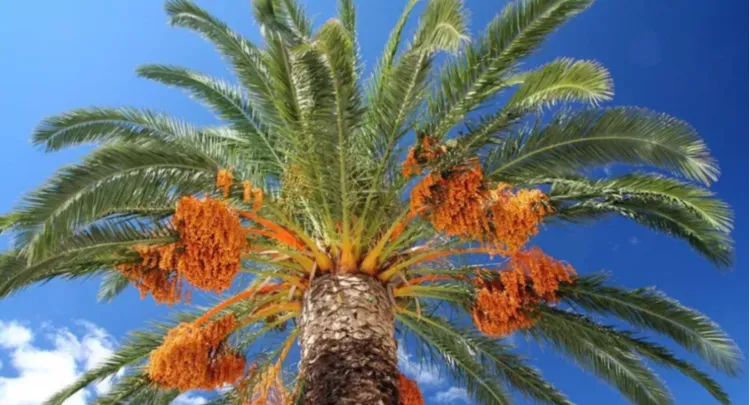
Drinking fresh date palm juice can result in Nipah virus infection. Reports indicate that during this outbreak, individuals consumed "fresh date palm juice" contaminated with the bodily fluids of fruit bats carrying the virus. This has raised questions: Is it still safe to eat dates? Can coconut juice still be consumed?
In fact, "raw date palm sap" has no relation to dates or coconut juice. "Raw date palm sap" is a direct translation of the term "raw date palm sap," where "date palm" refers to plants in the palm family, specifically the genus Phoenix. The best-known species in this genus is the date palm (Phoenix dactylifera), which produces an important dried fruit in the Middle East.
So where does the sap come from? Pay attention to the word "sap," which indicates tree sap. This beverage causing the concern comes from the tree trunk. The sap from various palm species contains high sugar concentration, making it suitable for direct consumption or for fermenting into alcohol. Throughout regions from Africa to Southeast Asia, indigenous people harvest sap from various palm species, including sugar palms and coconuts.
The Nypa fruticans communities in the mangroves of Southeast Asia hold ecological value, with its fruits known as attap seeds, its inflorescence sap used for sugar and alcohol production, and its leaves for construction. It is listed as a nationally protected plant in our country.
During the Nipah virus outbreak in West Bengal, India, sap is collected from the trunks of wild silver date palms (Phoenix sylvestris). Incisions are made in the trunks to collect sap, which can attract fruit bats. If these bats carry the Nipah virus, their saliva can contaminate the sap. Consuming this sap directly can lead to infection; hence, one should avoid drinking juices of unknown origin from roadside stalls.
The Nipah virus is named after "fresh coconut juice." The genus name for the nipa palm is Nypa, derived from the Malay term for this plant. The Nipah virus itself is named after the location of its initial outbreak in Kampung Sungai Nipah, Malaysia.
The original host of the Nipah virus is local fruit bats. The transmission dynamics involve a significant "intermediate host"—not animals, but plants. In outbreaks in India and Bangladesh, this "intermediate host" is contaminated date palm sap. In Malaysia and Singapore, it may include fruits, feed, and possibly water coconut sap.
The relationship between palm sugar production and the Nipah virus highlights deeper issues. Viral threats from bats have become a global health concern, with previous instances like SARS and COVID-19. The emergence of these viruses is less about epidemiology and more about ecological change: pathogens within natural ecosystems come into contact with susceptible hosts due to environmental shifts.
Studies indicate a decline in fruit bat populations and habitats across South Asia to Australia due to human activities such as agriculture and urban expansion. Changes in climate have also exacerbated this, leading fruit bats to move closer to human settlements, increasing disease outbreak risks.
In conclusion, biodiversity serves as a natural firewall for human health. By dismantling ecological barriers, we risk deteriorating our public health defenses. Preserving ecosystems means keeping viruses sequestered within natural environments.
References field H et al. The natural history of Hendra and Nipah viruses. Microbes Infect. 2001; 3(4): 307-14.
Nipah Virus Infection in Pigs in Peninsular Malaysia Chuen S.W., Xiang T.W., & Yuen T.S. UTAR New Village Community Project Report: Kampung Sungai Nipah.
#food safety
#bacterial protection


© 2025 Health Tribe.