
Cold Weather Linked to Increased Stroke Risk Here’s What to Watch For
Feb 06, 2026
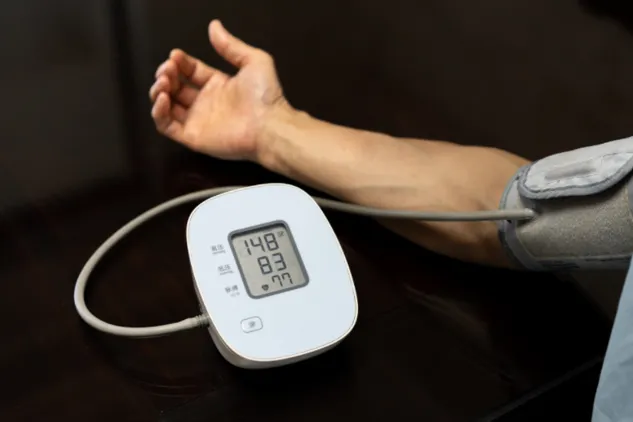
Author: Zhao Hailin, Neurology Department, Ward One, People's Hospital of Wangcheng District, Changsha City. Introduction: Cold weather can increase stroke risk due to low temperatures and blood pressure fluctuations, highlighting the need for quick symptom recognition.
It is well known that stroke, commonly referred to as a 'brain attack,' can lead to limb paralysis, speech disorders, difficulty swallowing, cognitive impairments, depression, and even life-threatening situations, with a very high rate of disability and mortality. However, early active prevention and intervention can effectively reduce the incidence, recurrence, disability rate, and mortality of strokes, as well as improve prognosis.
During the cold season, the incidence of strokes increases significantly. Why does cold weather make strokes more likely? How can we quickly identify the warning signs of a stroke? What are the prevention and treatment methods for strokes?
Cold weather increases the incidence of strokes.
Cold environments stimulate the blood pressure regulation system, leading to increased blood pressure, which may result in the rupture of vascular plaques and the formation of blood clots, causing cerebral infarction. Additionally, the vasoconstriction caused by cold reduces blood flow to the skin, while increased diuresis, rising viscosity of coagulation factors, and elevated blood lipid levels can contribute to blood thickening and an increased risk of thrombosis. Low temperatures alter hematological characteristics and increase friction on the interior surface of blood vessels, which may elevate the risk of cerebral hemorrhage.
High-risk periods and high-risk populations.
1. High-risk periods for stroke.
6 AM to 10 AM (blood pressure morning peak period).
24 to 48 hours after a sharp drop in temperature.
Within one hour after bathing (experiencing cold stimulation after a hot bath).
2. High-risk groups for stroke.
Patients with hypertension, diabetes, and hyperlipidemia.
Long-term smokers and drinkers.
Individuals with a history of transient ischemic attacks (TIA) or stroke.
Elderly individuals aged 65 and above.
Rapid Recognition of Stroke.
Remember the stroke rapid recognition mantra - 'Stroke 120.' If you have corresponding symptoms, you should immediately call the emergency number 120.
'1' looks at a face: whether it is asymmetrical, with a crooked smile.
Check both arms for: any signs of unilateral weakness or difficulty in lifting.
'0' Listening to the language: Is it clear, or is the expression vague?
Stroke First Aid.
Do not panic if someone experiences a sudden stroke; seeking scientific help can win precious time for their life.
Call 120 immediately!
Clearly state to the operator: 'Suspected stroke!' Make sure to provide a specific address and keep the phone line open for accurate location by the ambulance.
While waiting for rescue, do these three things!
Have the patient lie flat on their back with their head tilted to one side to prevent vomit from entering the trachea.
Do not give water or medication to avoid choking or worsening the condition.
Do not move the patient carelessly to prevent further injury; quietly stay and wait for the ambulance.
3. Go to the nearest hospital with stroke treatment capabilities!
Be aware of the locations and contact information of nearby hospitals equipped for thrombolysis and thrombus retrieval, to quickly access medical care by calling an ambulance.
Changsha Wancheng People's Hospital has established a stroke center, which operates a 24-hour green emergency channel for stroke treatment. It provides a complete care process for stroke patients, including intravenous thrombolysis, thrombectomy surgery, and inpatient rehabilitation.
4. The golden window of opportunity: the earlier the treatment, the better the outcome!
The 'golden window' for intravenous thrombolysis for cerebral infarction is only 4.5 hours, and the thrombectomy procedure must be performed within 6 to 24 hours! The sooner the treatment is administered, the lower the risk of sequelae, and the greater the possibility of recovery!
Five Key Points for Protection.
1. Regularly monitor blood pressure and take medication as prescribed.
Measure blood pressure once in the morning and once at night. If blood pressure fluctuates by more than 20 mmHg, seek medical attention promptly. Hypertension patients should take their antihypertensive medication consistently and as prescribed.
2. Plan your exercise scientifically.
Avoid cold temperatures in the morning, engage in moderate exercise after 10 AM, and warm up thoroughly before workouts.
3. Ensure proper cold protection and warmth.
Protect the head, neck, hands, and feet to reduce the impact of cold stimuli on blood vessels.
4. Maintain a light diet.
Daily salt intake should be less than 5g, consume fewer high-fat and high-sugar foods, and drink plenty of water, around 1500ml in winter, to reduce blood viscosity.
5. Maintain emotional stability.
Avoid extreme highs and lows, and minimize sharp fluctuations in emotions that can adversely affect blood pressure.
Follow @HunanMedicalChat to get more health science information!
(Editing 92)
The cover image of this article comes from a copyright library, and unauthorized reproduction may lead to copyright disputes.
#health
#first aid
© 2025 Health Tribe.