
Moldy cutting boards pose health risks due to harmful mold growth
Feb 06, 2026
Contributing Unit: Chongqing Association of Science Writers. Authors: Dr. Tang Changyan and Dr. Shen Xueqin from the Disease Prevention and Control Center of Dazu District, Chongqing, and Chief Technician Zou Jingbo from the Red Cross Life Care Health Popular Science Volunteer Service Team of Yongchuan District, Chongqing (Zou's Science Popularization Garden). Review Expert: Li Hanbin. Statement: Except for original content and special notes, some images are sourced from the internet for non-commercial use only, serving as educational dissemination materials. Copyright belongs to the original authors. If there are any infringements, please contact us for removal.
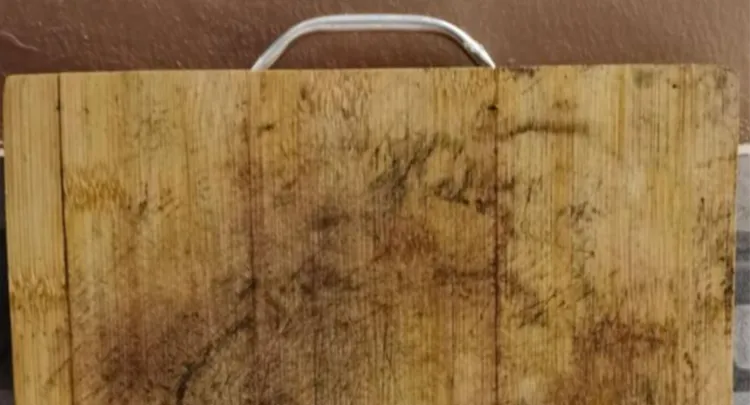
Moldy cutting boards can pose significant health risks if not cleaned properly, as mold can thrive on them. They require regular cleaning and timely replacement to ensure safety. A cutting board is an essential kitchen tool but can become a source of mold due to inadequate cleaning and storage. Many people, even those with medical knowledge, often hesitate to discard a moldy cutting board, mistakenly believing that flipping it over or using boiling water can make it safe to use. However, the dangers of mold can be much more severe than the visible signs suggest.
The causes of mold growth on cutting boards include humidity, food residue, material properties, improper usage habits, and long-term use. 1. Humidity: If items are not fully dried after washing or are stored in damp, poorly ventilated areas, residual moisture facilitates mold growth. 2. Food residue: Unremoved scraps from vegetables, meats, and other leftovers can nourish mold. 3. Material properties: Wooden and bamboo boards are more absorbent than plastic and stainless steel, making them harder to clean and more susceptible to mold. 4. Improper usage: Using the same board for raw and cooked foods increases cross-contamination risk. 5. Long-term usage: Worn surfaces and deep crevices complicate cleaning and create mold-friendly conditions.
Moldy cutting boards can pose potential hazards. During its growth, mold can produce aflatoxins, which are resistant to high temperatures and difficult to eliminate through regular cooking. Even if visible mold is removed, penetrating toxins remain and can still contaminate food. Acute ingestion can lead to nausea, vomiting, and abdominal pain, with severe cases potentially progressing to liver failure. Chronic exposure can cause lasting liver damage, possibly resulting in cirrhosis or liver cancer.
Additionally, airborne mold spores can trigger allergic responses, including sneezing, coughing, and skin irritation. Long-term exposure to moldy conditions may irritate respiratory tract mucous membranes, leading to chronic respiratory issues, particularly affecting the elderly, children, and individuals with weakened immune systems.
When dealing with a moldy cutting board, the decision to discard or salvage is crucial. Mild mold may be treatable: If there are only a few mold spots, no unpleasant odors, and shallow gaps, cleaning is feasible. 1. Use a stiff brush to scrub surface mold and food debris. 2. Soak it with a solution of white vinegar and baking soda mixed in a 1:1 ratio for 10 to 15 minutes, followed by thorough wiping for disinfection. 3. Finally, wash with boiling water (or hot water for heat-sensitive materials), and dry in a well-ventilated area.
However, severely moldy boards should be replaced immediately: If a wooden or bamboo board shows extensive mold growth, deep spots, black crevices, or odd odors, it is advisable to discard it. Generally, replace wooden and bamboo cutting boards every 1 to 2 years and plastic ones every 2 to 3 years.
To prevent mold from cutting boards right from the source, the following practices should be followed: 1. Thorough cleaning: Clean with a hard brush and dishwashing detergent immediately after use, focusing on gaps, then dry completely. 2. Keep it dry: Post-cleaning, store in a dry, well-ventilated area—ideally, use a cutting board rack to avoid contact with the countertop. 3. Separate raw and cooked: Utilize at least two cutting boards—one for raw food and another for cooked food—to prevent cross-contamination. 4. Regular disinfection and timely replacements: Disinfect at least weekly (using white vinegar, baking soda, or boiling water), and replace when necessary. 5. Choose suitable materials: For humid or high-use kitchens, prioritize cutting boards made of food-grade plastic or stainless steel that resist mold. If opting for wooden or bamboo boards, select high-quality unpainted and unwaxed products and ensure prompt cleaning and drying.
In conclusion, the primary cause of mold on cutting boards is moisture combined with food residue, while the key to prevention lies in effective cleaning, drying, and regular replacement. Understanding mold’s dangers, avoiding misconceptions, and adopting proper usage habits are vital for preventing foodborne illness.
#health education
#family health



© 2025 Health Tribe.